
Wildlife Conservation Education
Free lessons featuring inspiring role models — introduce your students
to environmental careers and diverse conservation scientists.
Free Lessons Featuring
Inspiring Role Models
Conservation Nation is helping diversify the conservation movement by funding conservationists from underrepresented communities while educating and inspiring the next generation of leaders.
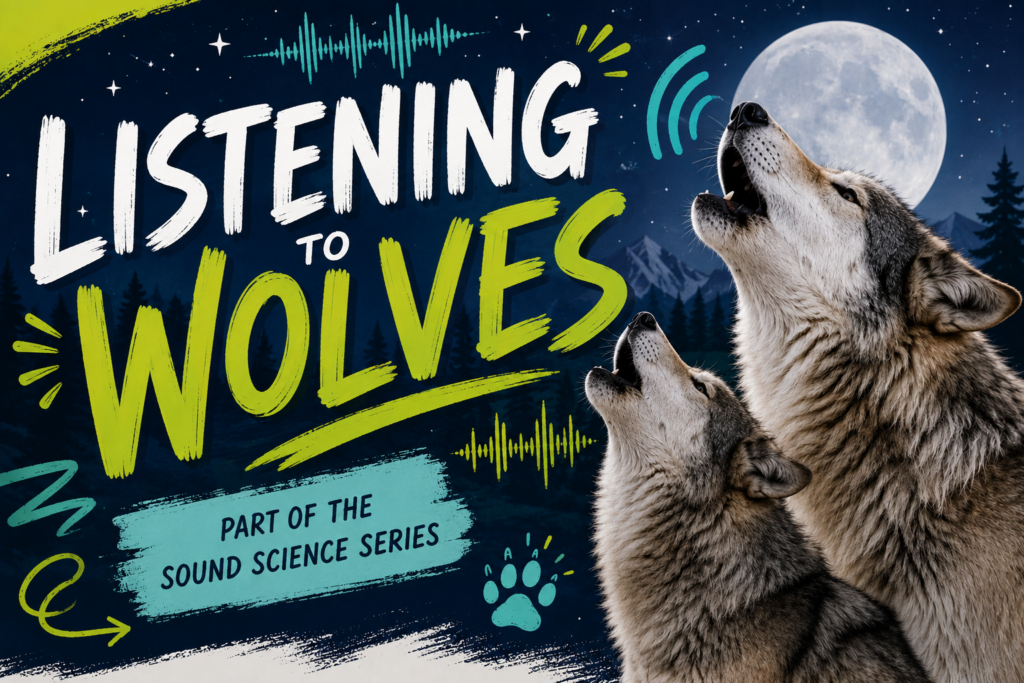
Sound Science: Listening to Wolves
In this second NGSS-aligned lesson of the Sound Science lesson series, students explore bioacoustics—the science of using sound to study the living world—and learn how wolves communicate and how scientists use sound to monitor wildlife and protect ecosystems. Through a hands-on Spectrogram activity, students identify spectrograms across different animals, analyze patterns, and practice thinking like scientists while building observation and critical-thinking skills.
Our Lessons
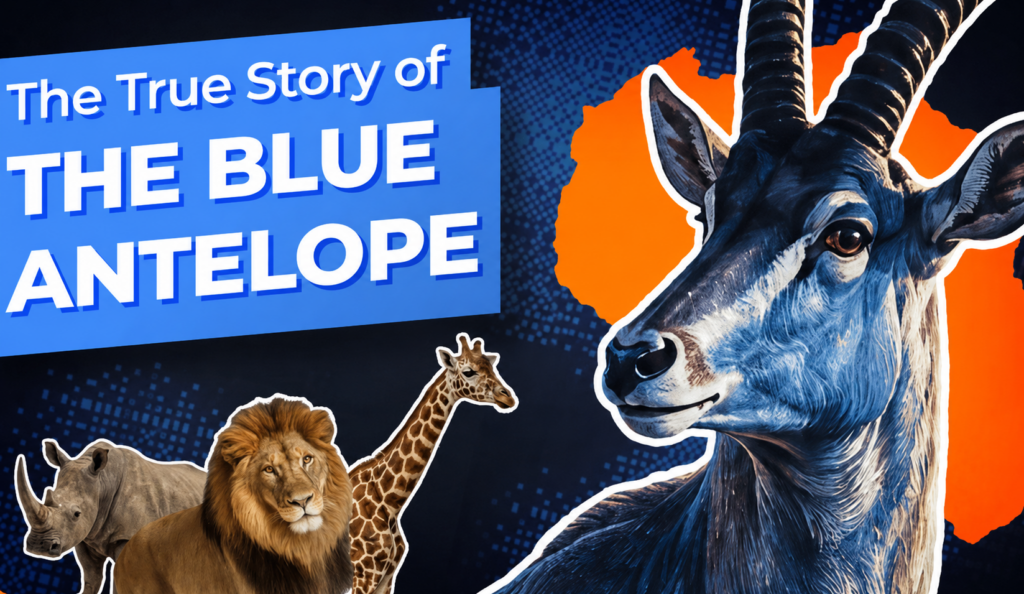
A Free Classroom Resource from Colossal
Explore the story of the bluebuck, a South African antelope driven to extinction by human activity. Created by Colossal, Bluebuck: The Lost Blue Antelope of Africa uses fossils, museum specimens, genetics, and conservation science to uncover the species’ history and explore how emerging technologies can help protect threatened wildlife today.
Start lesson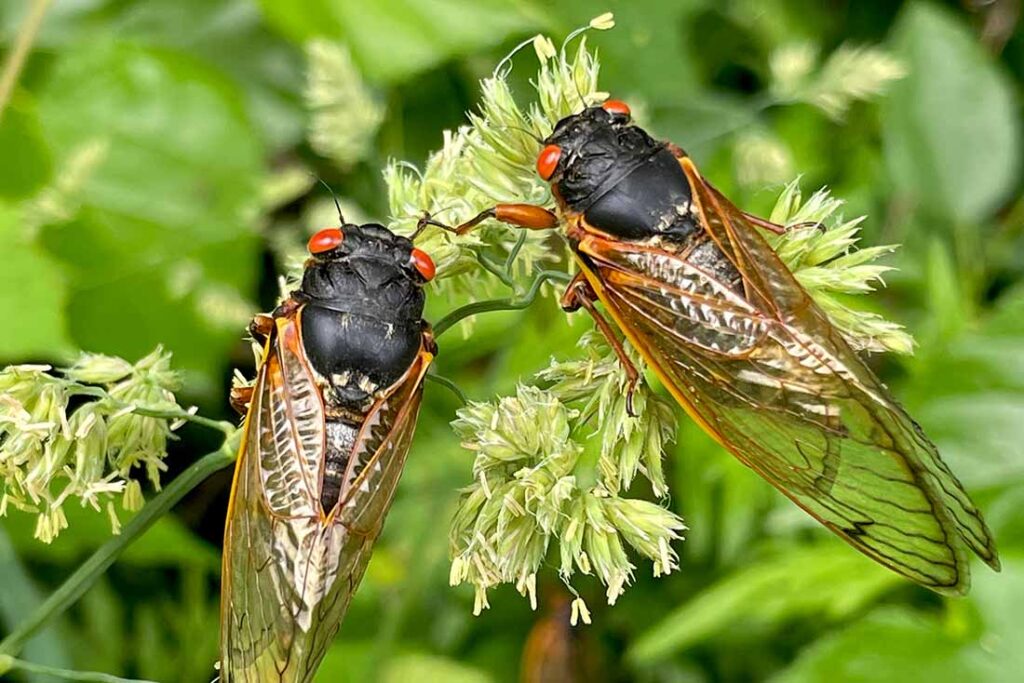
Be a Friend to Cicadas
Periodical cicadas offer an amazing opportunity to turn fear into fascination and inspire the curiosity of tomorrow’s wildlife champions!
Start lesson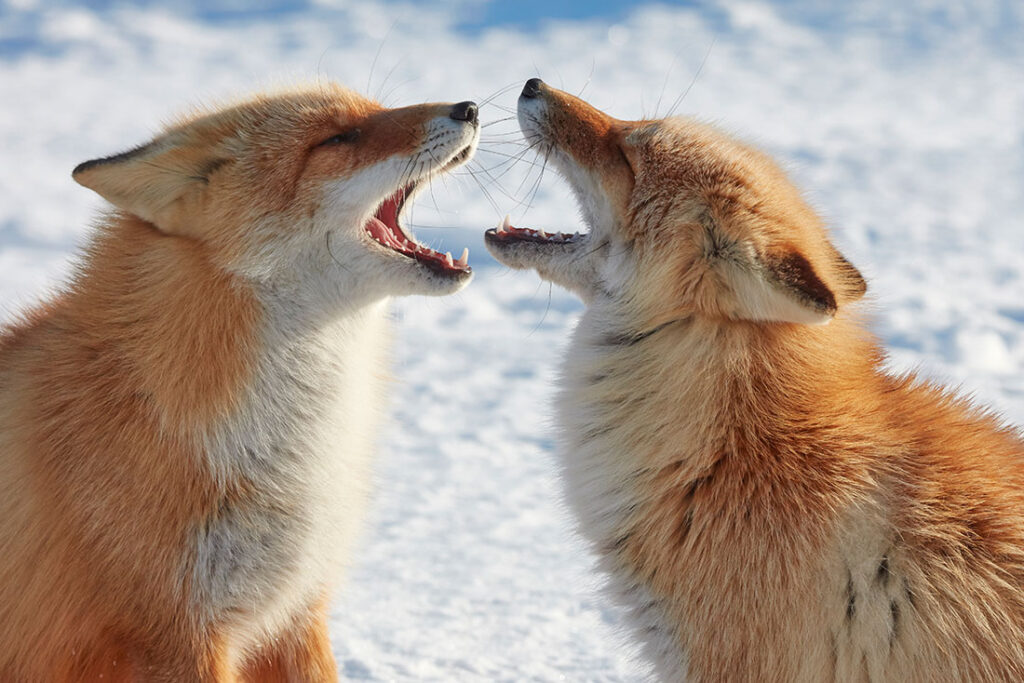
Conservation Conversations
Encourage your students to explore and articulate their personal beliefs about nature and wildlife conservation.
Start lesson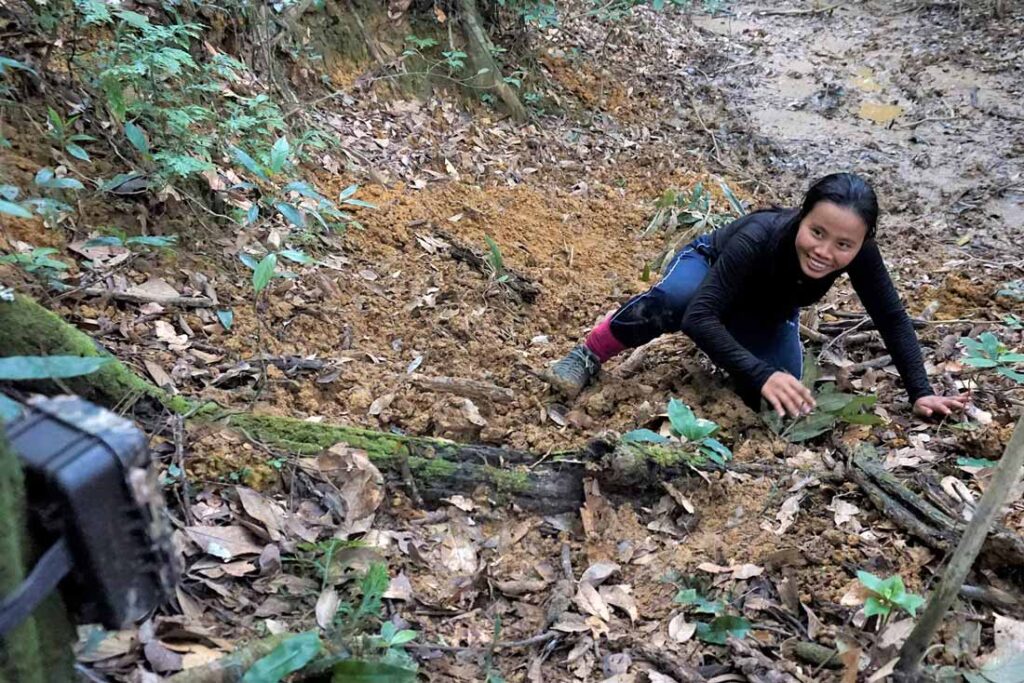
Drawing Conclusions
Help your students challenge stereotypes and explore their understanding of what a conservationist is.
Start lesson
Green Careers
Ask your students a series of "would you rather" questions that lead them to green careers that might suit their personalities.
Start lesson
Lessons in the Science of De-extinction with Colossal
This interactive lesson takes you into the lab with Dr. Darya Tourzani from Colossal Biosciences, the De-Extinction Company, to learn how scientists use DNA to save endangered animals.
Start lesson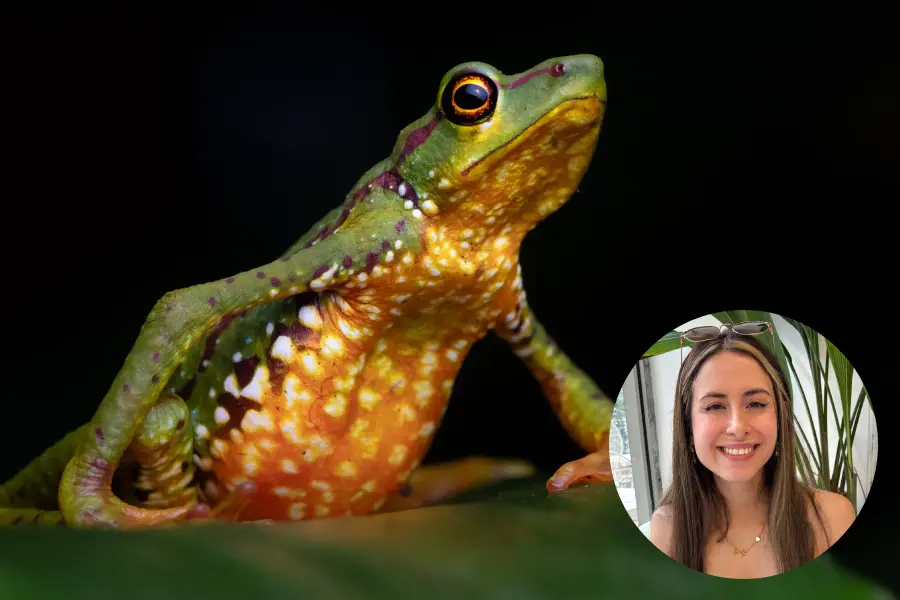
Lost Toads of the Cloud Forest
Once thought extinct, the Mindo Harlequin Toad has made a surprise comeback—and students are invited to join the search! In this LIVE Conservation Nation lesson, conservationist Gaby Sandoval shares real field data and stories from Ecuador’s cloud forests as students learn how science and community action can save species from extinction.
Start lesson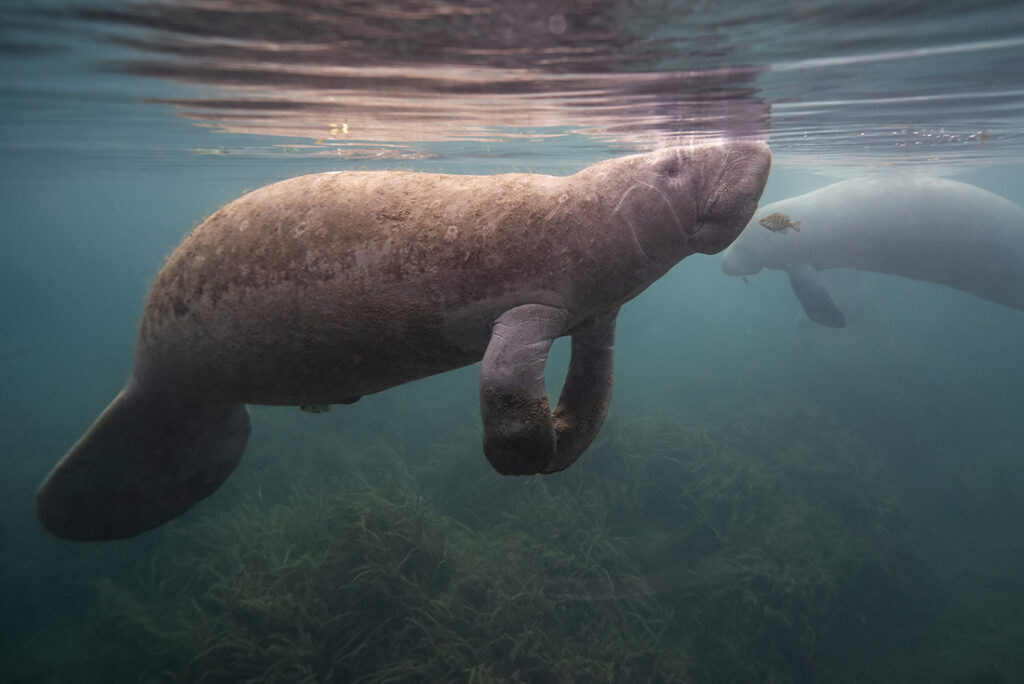
Manatee Tales
Dive into the world of manatee conservation with this interactive storytelling game! Students step into the shoes of community members living near a marine sanctuary, exploring real-world challenges, competing priorities, and creative solutions to protect manatees. It’s hands-on, thought-provoking, and a perfect way to spark critical thinking about wildlife and community.
Start lesson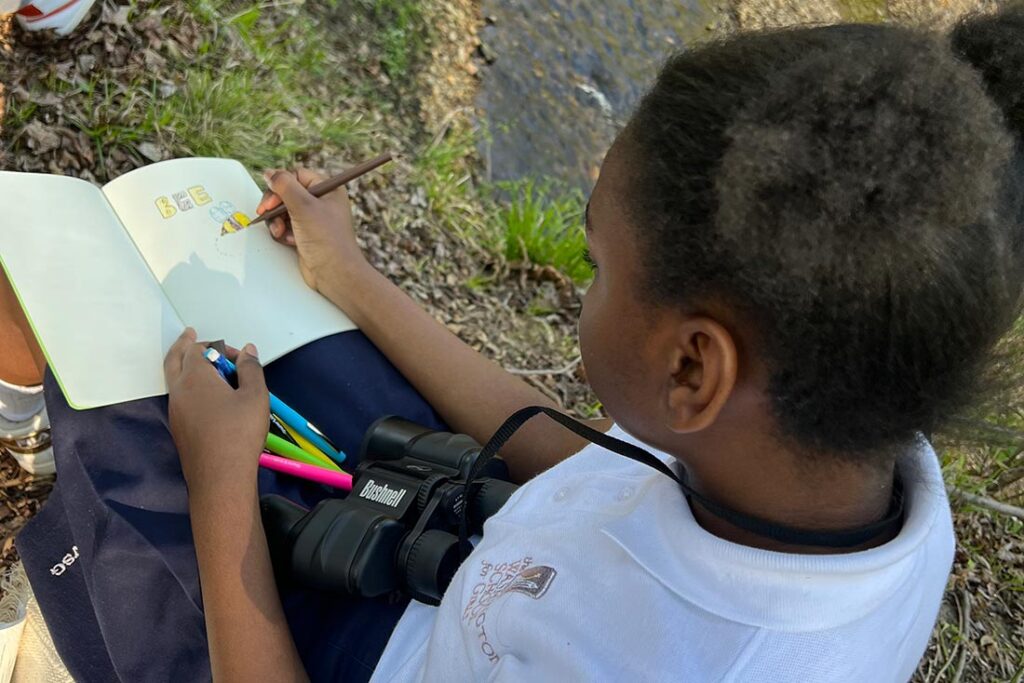
Mindfulness Outdoors
Encourage your students to practice mindfulness outdoors through a collection of short and simple activities you can do in your schoolyard.
Start lesson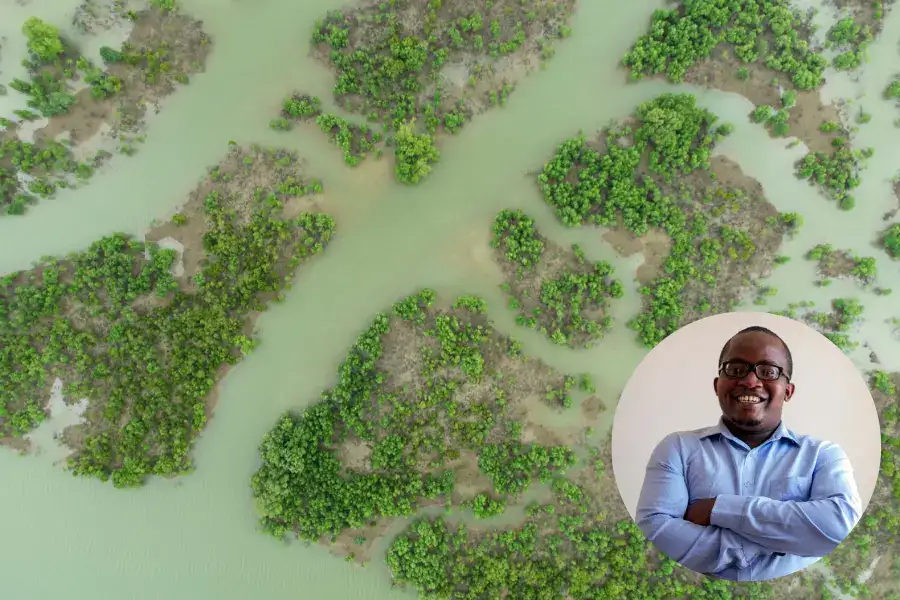
Roots of Resilience: Restoring Kenya’s Mangroves
Mangroves are among the most powerful ecosystems on Earth, and one of the most threatened. Join Conservation Nation LIVE! with Kenyan conservationist Fredrick Kioko Kilonzo to find out how these amazing coastal forests protect shorelines, shelter wildlife, and lock away carbon, and how communities are fighting to restore them using real scientific data.
Start lesson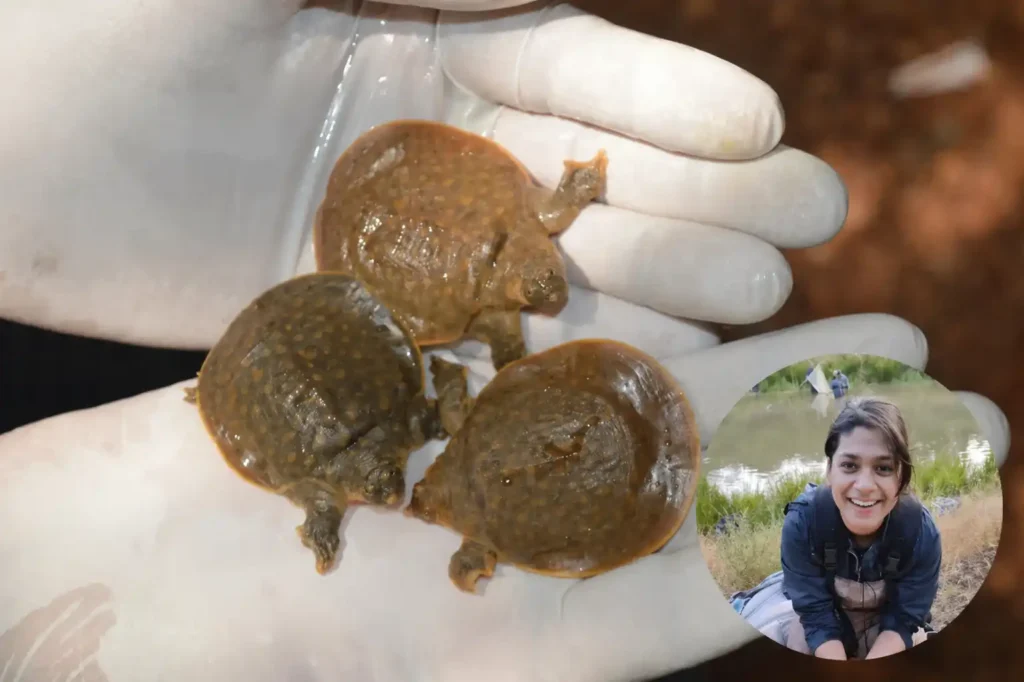
Secrets of the Softshell: Saving India’s Rarest Turtle
One of the world’s rarest turtles lives in India’s rivers, and students can help explore how to save it. In this LIVE! lesson, students join researcher Ayushi Jain to see how scientists track the critically endangered Cantor's giant softshell turtle using real conservation data and local ecological knowledge (LEK) to protect species on the edge of extinction.
Start lesson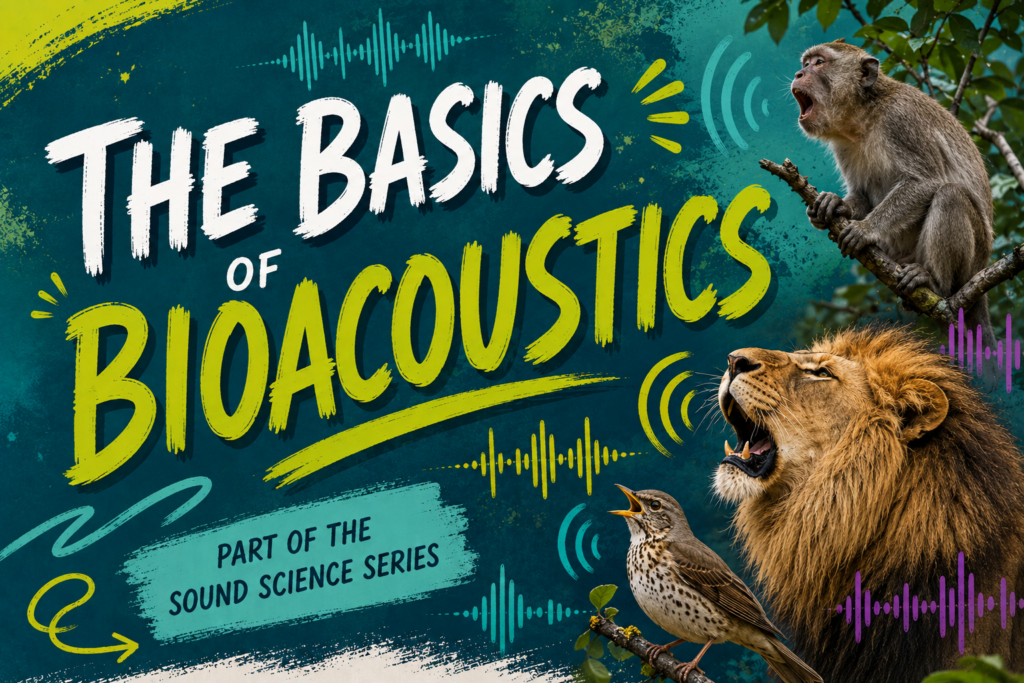
Sound Science: Basics of Bioacoustics
In this NGSS-aligned lesson of the Sound Science lesson series, students explore bioacoustics—the science of using sound to study the living world—and learn how animals communicate and how scientists use sound to monitor wildlife and protect ecosystems. Through a hands-on Sound Map activity, students compare sounds across environments, analyze patterns, and practice thinking like scientists while building observation and critical-thinking skills.
Start lessonSound Science: Listening to Wolves
What if the key to protecting wolves wasn't just watching them—but listening? In this free NGSS-aligned Sound Science: Listening to Wolves lesson, students explore bioacoustics, the science of studying animals through sound, using Yellowstone's wolves as a fascinating case study. Through engaging video content featuring real researchers, they discover how wolves use howls and vocalizations to communicate, build social bonds, and reveal the health of an entire ecosystem. Students then step into the role of wildlife scientists in a hands-on spectrogram activity, analyzing visual representations of sound to identify wolf howls, distinguish them from other environmental sounds, and draw evidence- based conclusions—just like the AI researchers working to protect wolves in the wild today.
Start lesson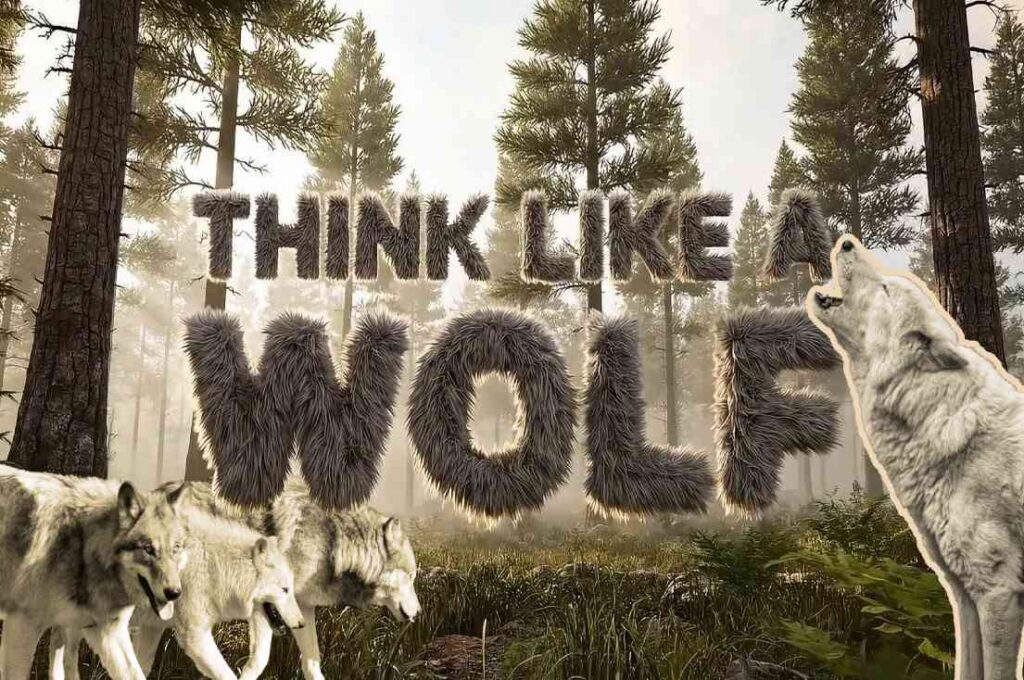
Think Like a Wolf
Bring Yellowstone National Park into your classroom! In this field-based video students learn to think like both a wolf and a scientist! Students model a trophic cascade and analyze pack roles and communication to connect wildlife behavior to effective teamwork. Along the way, they’ll build SEL skills like empathy, trust, and leadership, and glimpse real conservation careers through authentic researcher stories.
Start lesson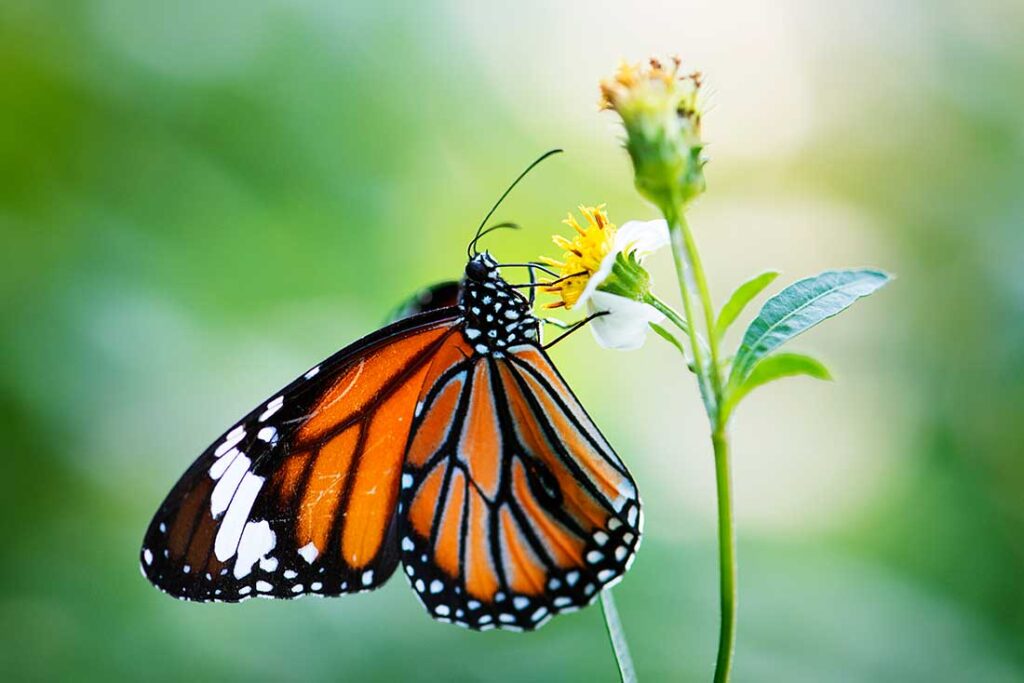
Tiny Messengers
Tiny but mighty—this hands-on lesson brings insect conservation to life for your students! In Tiny Messengers, students explore leaf litter, assess insect habitats, and learn how biodiversity reveals the health of our planet. Featuring real-world scientists and standards-aligned activities, this lesson is perfect for grades 5–8 and includes a short video, worksheets, and outdoor exploration. Free, flexible and field-tested!
Start lesson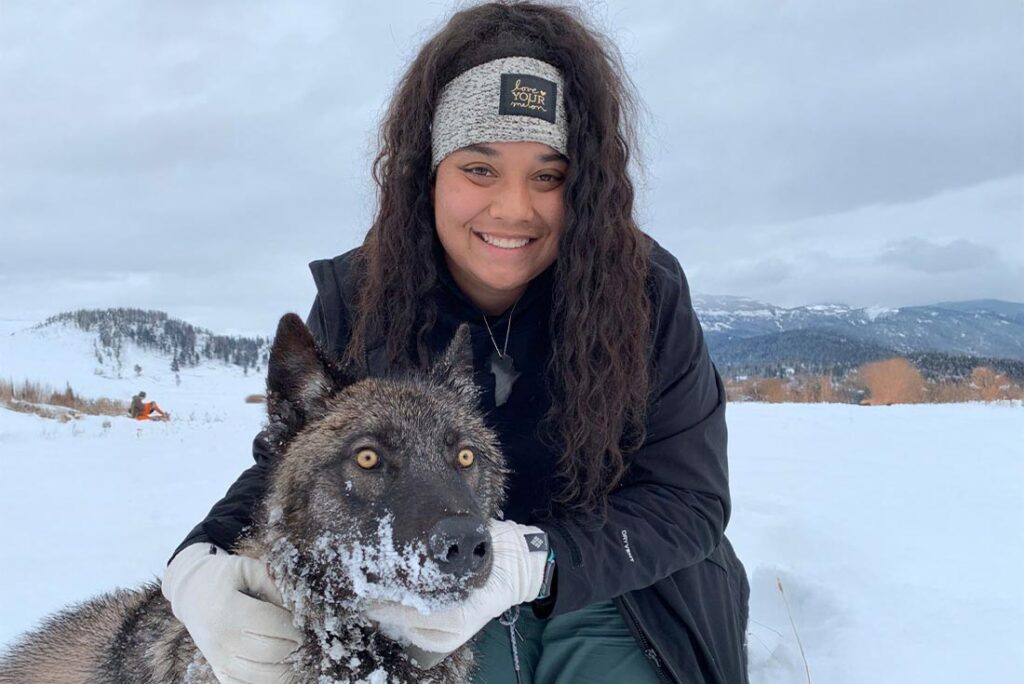
Wildlife Detectives
Introduce your students to some amazing young scientists working on the frontlines of wildlife conservation.
Start lesson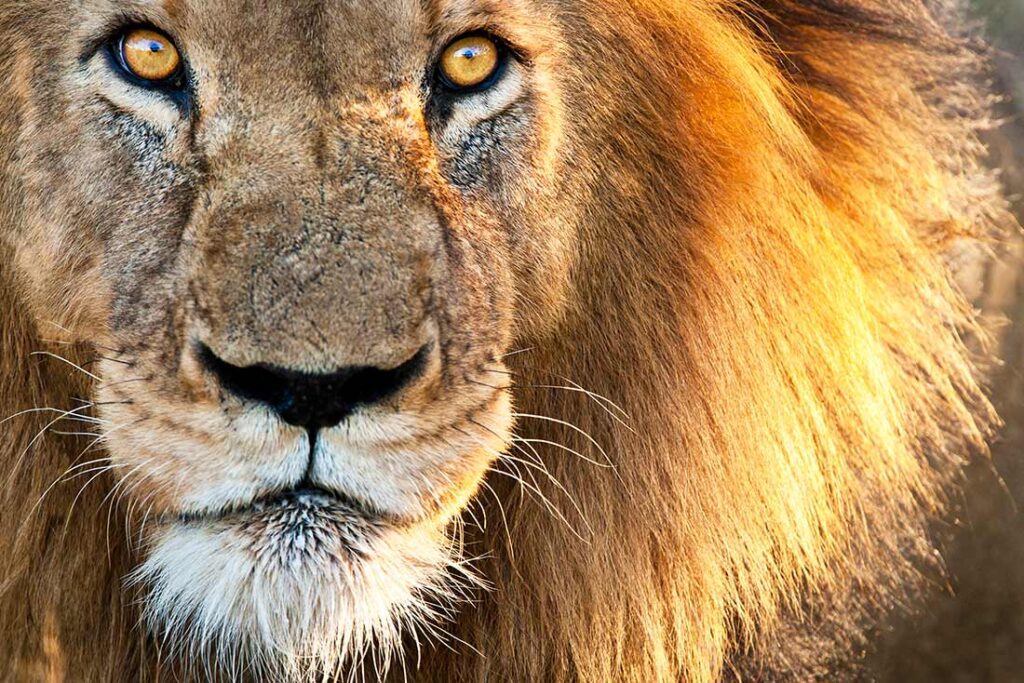
Wildlife Fact or Fiction
Engage your students in a fun movement game to challenge some common myths and test their knowledge about wildlife.
Start lesson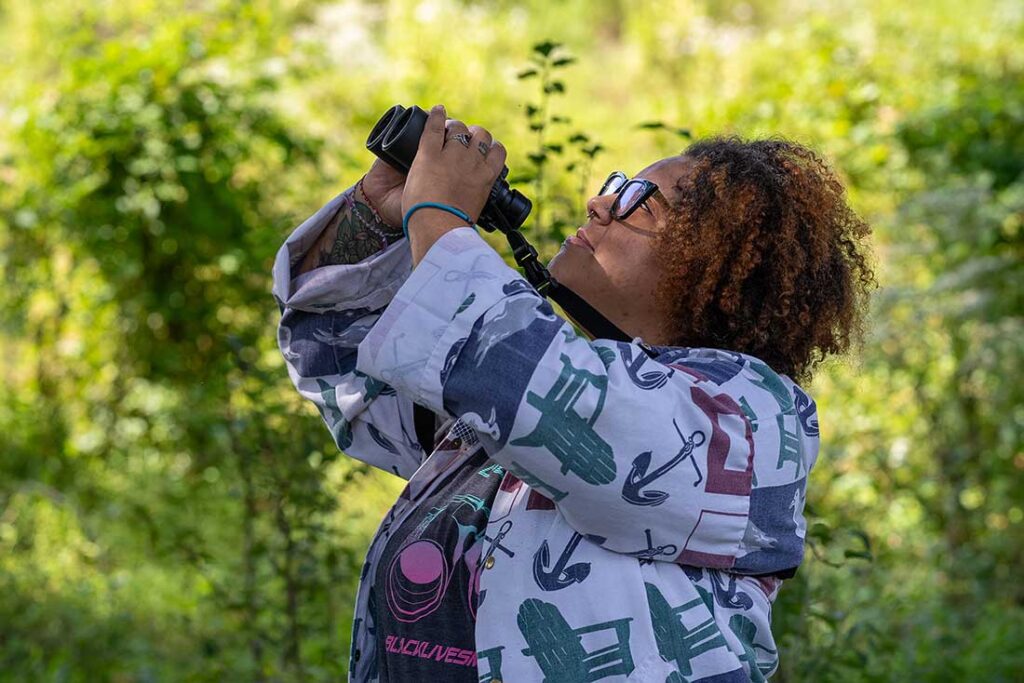
Wingin’ It
Get students outside, curious, and noticing the world around them! Guided by a birding expert, your class will learn simple, no-gear-needed ways to spot, hear, and record bird activity—then connect their findings to real scientific data. Fun and hands-on, it’s the perfect way to turn any schoolyard into a living science lab.
Start lessonNo lessons found.