
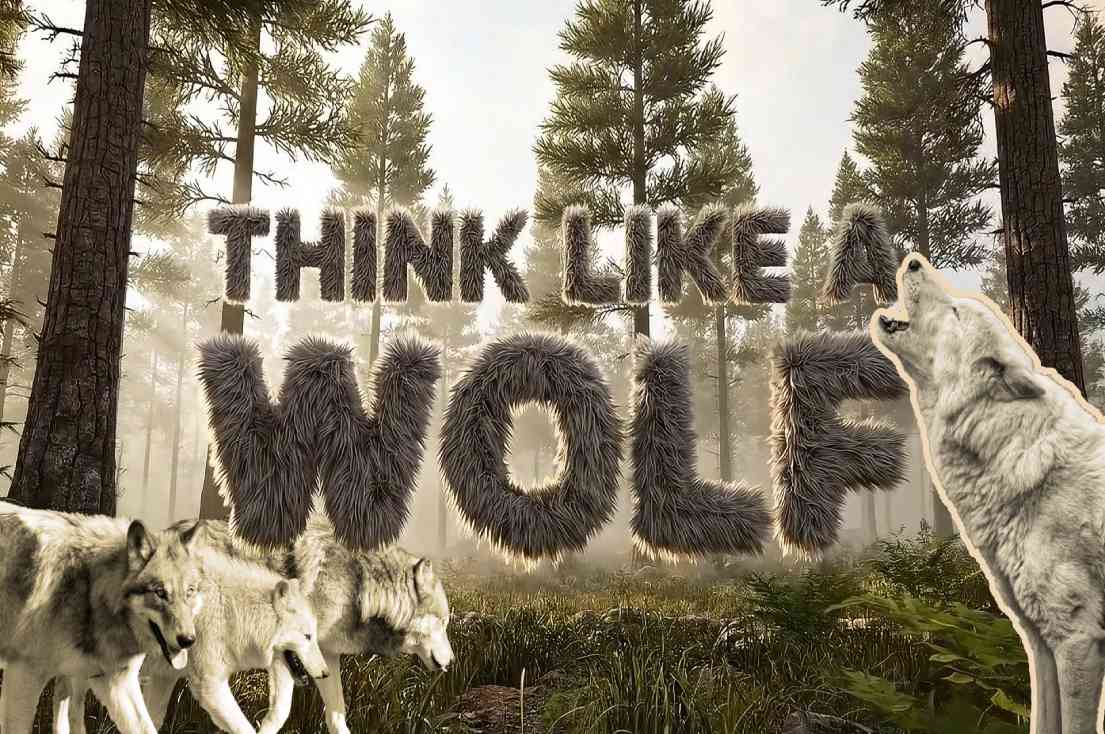
Think Like a Wolf
Step into the wild with your students and see the world through a wolf’s eyes! In this immersive lesson, students adopt the role of wolves in the Yellowstone ecosystem to practice observing, interpreting, and recording signs of animal behavior and impact in their environment.
Listen to wolf tales straight from wolf expert, Rick McIntyre, and get hands-on practice modeling changes to ecosystems.
Explore More Lessons
Additional Activities
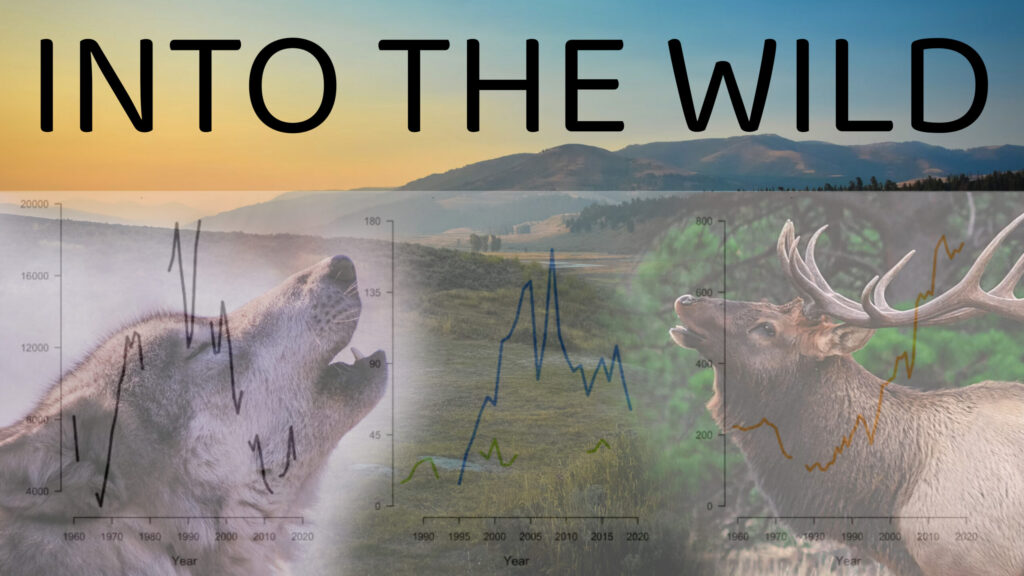
Into the Wild: A Deep Ecological Exploration
Dive deeper into the Yellowstone ecosystem! Co-created with high school biology teacher John Nolan, this two-period end-of-unit lab for high school or college Biology synthesizes core Ecology Interactions concepts. Through expert interviews, wildlife footage, population graphs, and scientific literature, students investigate ecosystem dynamics, evaluate evidence, distinguish correlation from causation, and explore wildlife conservation careers.
Start Lesson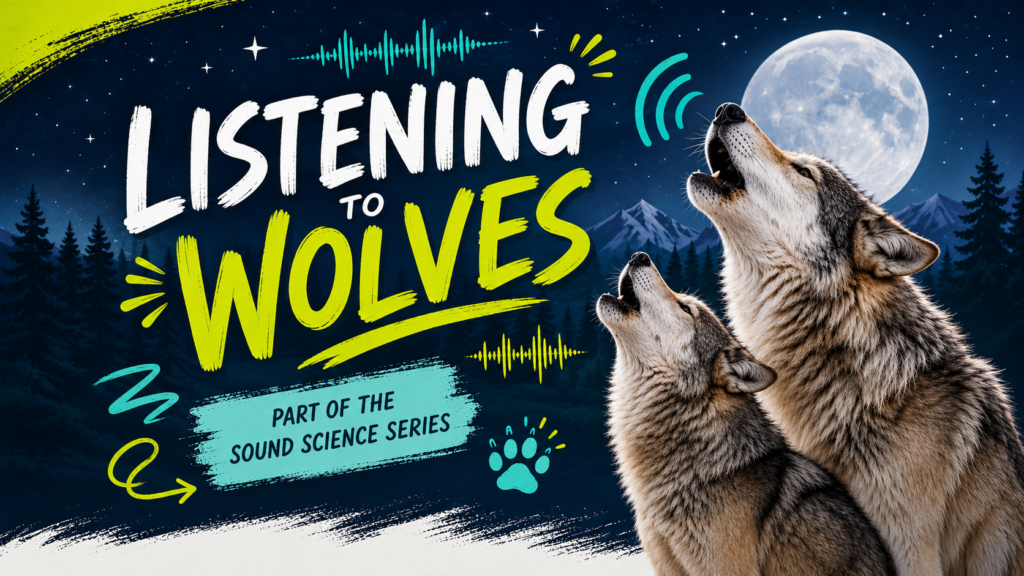
Teacher Favorites
Sound Science: Listening to Wolves
What if the key to protecting wolves wasn't just watching them—but listening? In this free NGSS-aligned Sound Science: Listening to Wolves lesson, students explore bioacoustics, the science of studying animals through sound, using Yellowstone's wolves as a fascinating case study. Through engaging video content featuring real researchers, they discover how wolves use howls and vocalizations to communicate, build social bonds, and reveal the health of an entire ecosystem. Students then step into the role of wildlife scientists in a hands-on spectrogram activity, analyzing visual representations of sound to identify wolf howls, distinguish them from other environmental sounds, and draw evidence- based conclusions—just like the AI researchers working to protect wolves in the wild today.
Start Lesson
Additional Activities
Wildlife Fact or Fiction
Engage your students in a fun movement game to challenge some common myths and test their knowledge about wildlife.
Start Lesson