
Tiny Messengers
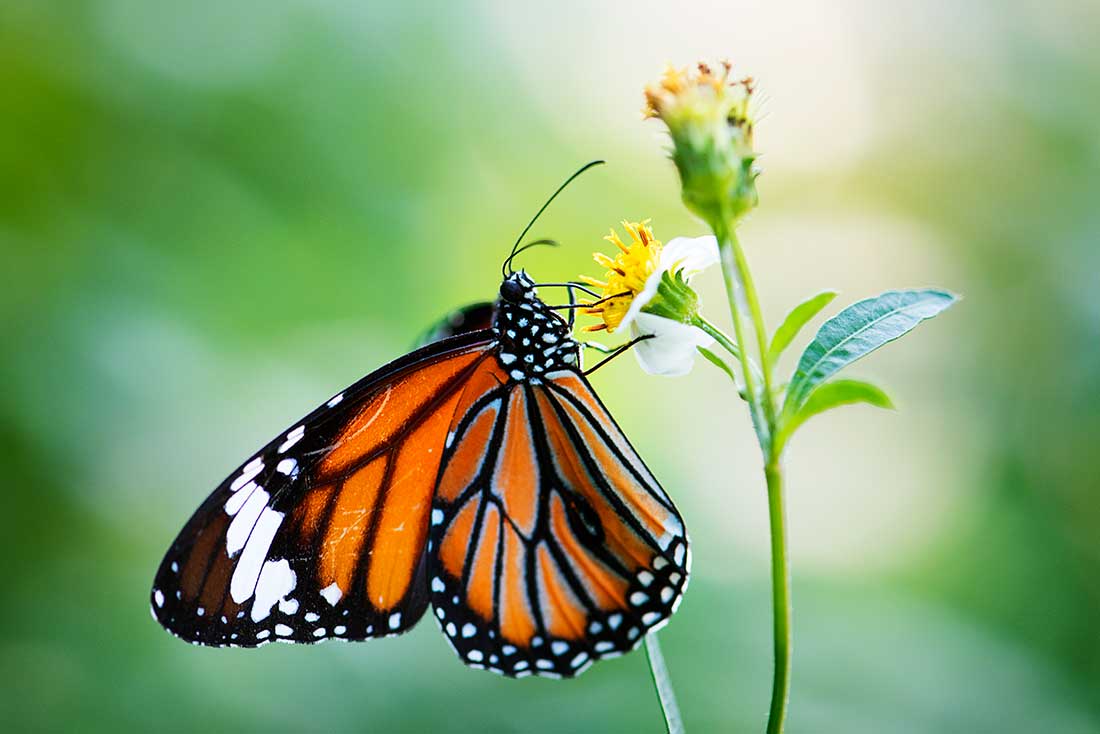
In this outdoor-ready lesson, students head into the leaf litter to uncover what insects can teach us about the health of our ecosystems. Guided by Conservation Nation Scholar Zabreya Okyere and her mentor, Dr. Mariana Abarca, students explore the world beneath their feet—observing insects, assessing habitats, and connecting their findings to real-world research on biodiversity loss.
Students analyze insect diversity, reflect on human impacts, and take action by creating advocacy campaigns that encourage their communities to “leave the leaves” for conservation. It’s the perfect way to build science skills, spark ecological awareness, and transform everyday observations into environmental action.
Exit Quiz
Click the appropriate quiz link below and click on the blue “Host Live” button to start your student exit quiz.

Teacher Favorites
Lessons in the Science of De-extinction with Colossal
This interactive lesson takes you into the lab with Dr. Darya Tourzani from Colossal Biosciences, the De-Extinction Company, to learn how scientists use DNA to save endangered animals.
Start Lesson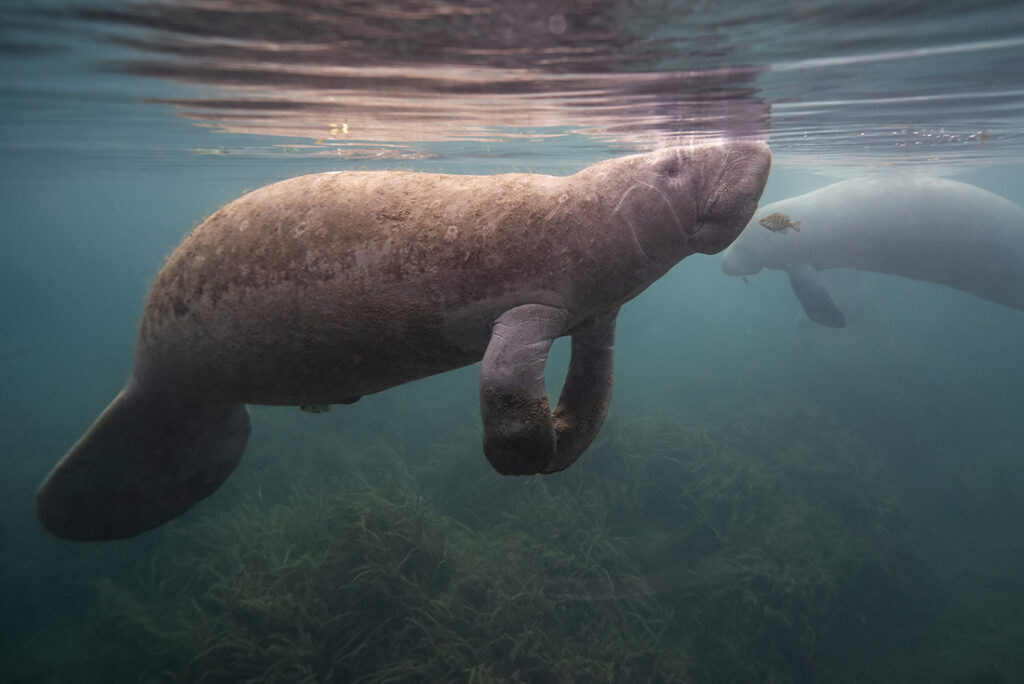
Teacher Favorites
Manatee Tales
Dive into the world of manatee conservation with this interactive storytelling game! Students step into the shoes of community members living near a marine sanctuary, exploring real-world challenges, competing priorities, and creative solutions to protect manatees. It’s hands-on, thought-provoking, and a perfect way to spark critical thinking about wildlife and community.
Start Lesson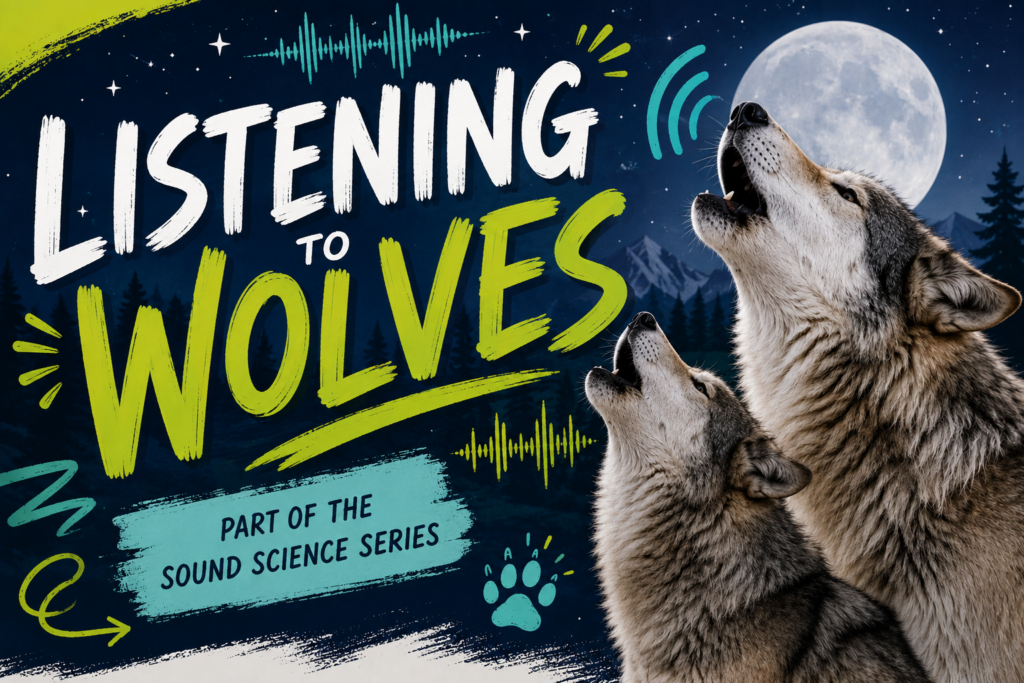
Teacher Favorites
Sound Science: Listening to Wolves
What if the key to protecting wolves wasn't just watching them—but listening? In this free NGSS-aligned Sound Science: Listening to Wolves lesson, students explore bioacoustics, the science of studying animals through sound, using Yellowstone's wolves as a fascinating case study. Through engaging video content featuring real researchers, they discover how wolves use howls and vocalizations to communicate, build social bonds, and reveal the health of an entire ecosystem. Students then step into the role of wildlife scientists in a hands-on spectrogram activity, analyzing visual representations of sound to identify wolf howls, distinguish them from other environmental sounds, and draw evidence- based conclusions—just like the AI researchers working to protect wolves in the wild today.
Start Lesson