
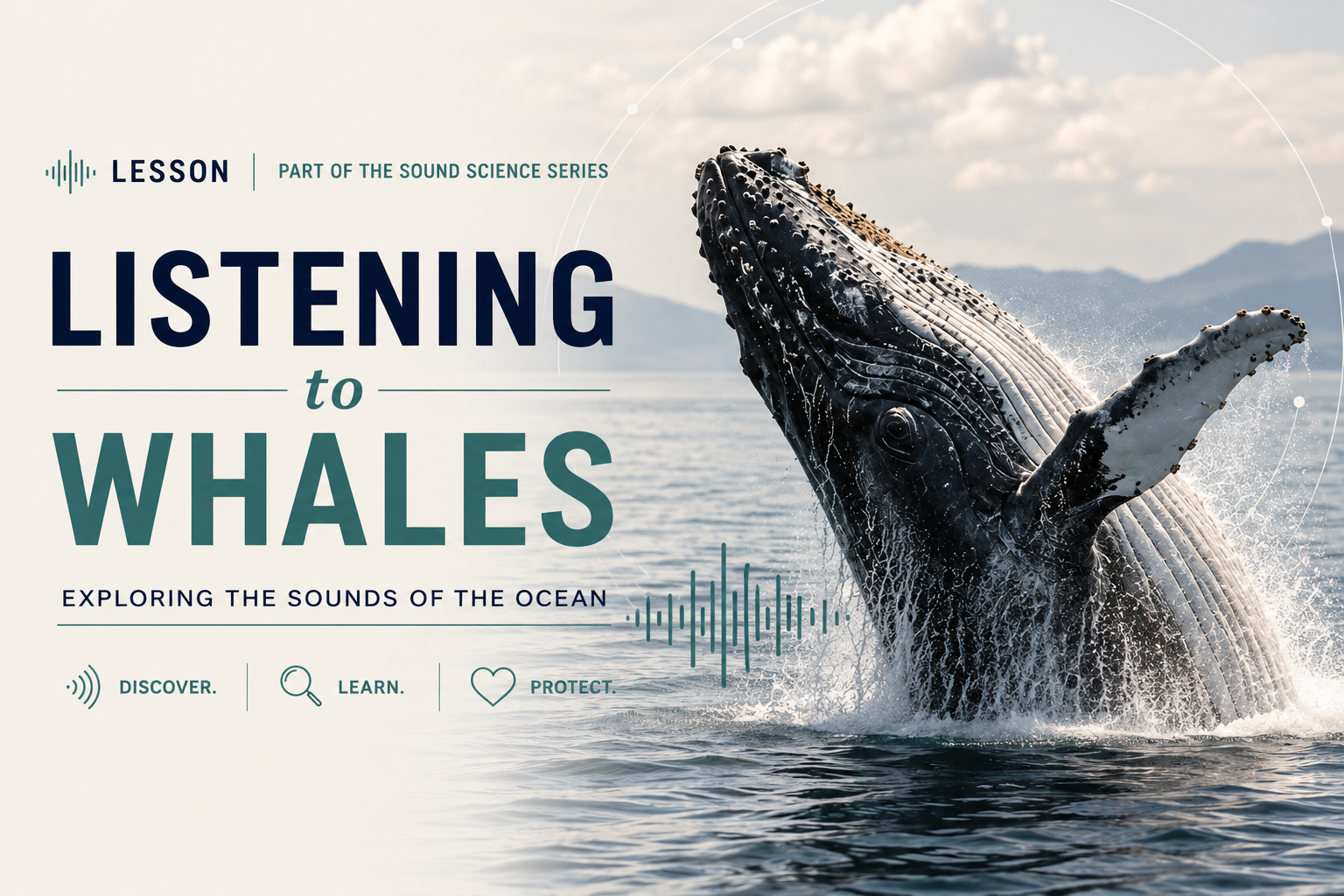
Sound Science: Listening to Whales
Part of Conservation Nation’s Sound Science series, this standalone lesson invites students to explore how scientists use bioacoustics to study and protect whales across the world’s oceans. Through the engaging lesson video featuring marine bioacoustician Dr. Michelle Fournet, students learn how whales use sound to communicate, how scientists interpret their calls, and how tools like hydrophones let scientists listen to a world once thought to be silent.
Student Worksheet Activity Video
Explore More Lessons
Teacher Favorites
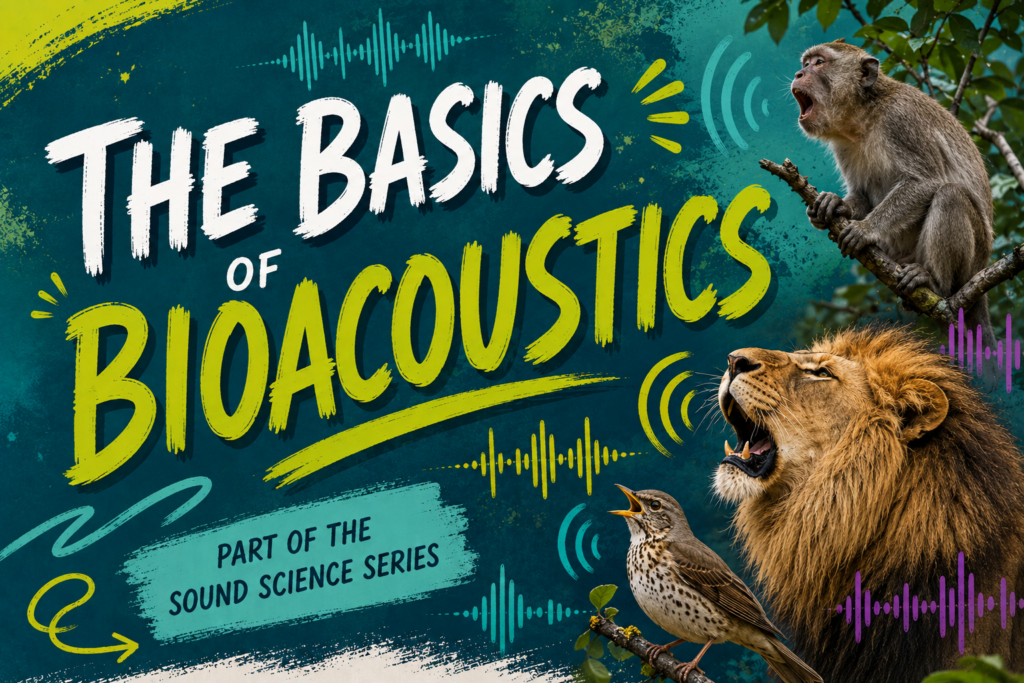
Sound Science: Basics of Bioacoustics
In this NGSS-aligned lesson of the Sound Science lesson series, students explore bioacoustics—the science of using sound to study the living world—and learn how animals communicate and how scientists use sound to monitor wildlife and protect ecosystems. Through a hands-on Sound Map activity, students compare sounds across environments, analyze patterns, and practice thinking like scientists while building observation and critical-thinking skills.
Start Lesson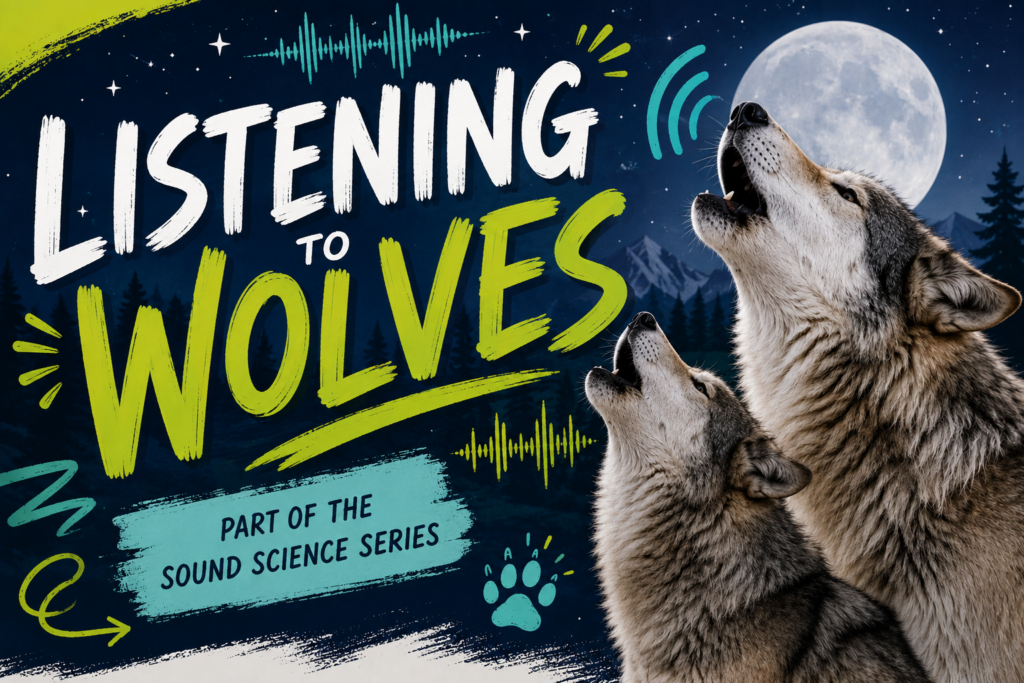
Teacher Favorites
Sound Science: Listening to Wolves
What if the key to protecting wolves wasn't just watching them—but listening? In this free NGSS-aligned Sound Science: Listening to Wolves lesson, students explore bioacoustics, the science of studying animals through sound, using Yellowstone's wolves as a fascinating case study. Through engaging video content featuring real researchers, they discover how wolves use howls and vocalizations to communicate, build social bonds, and reveal the health of an entire ecosystem. Students then step into the role of wildlife scientists in a hands-on spectrogram activity, analyzing visual representations of sound to identify wolf howls, distinguish them from other environmental sounds, and draw evidence- based conclusions—just like the AI researchers working to protect wolves in the wild today.
Start Lesson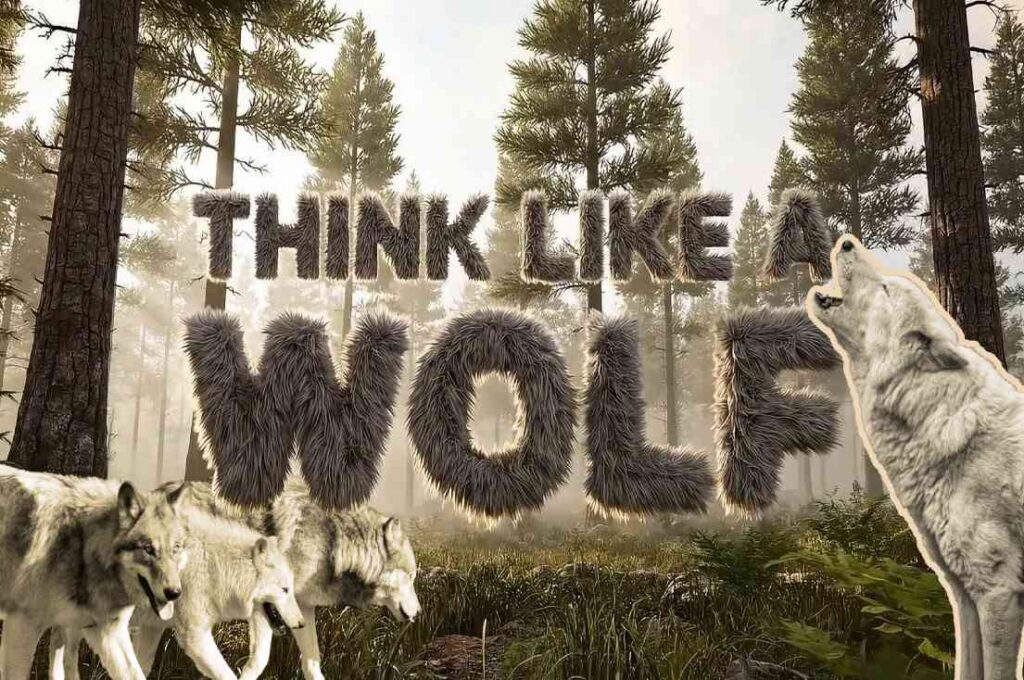
Teacher Favorites
Think Like a Wolf
Bring Yellowstone National Park into your classroom! In this field-based video students learn to think like both a wolf and a scientist! Students model a trophic cascade and analyze pack roles and communication to connect wildlife behavior to effective teamwork. Along the way, they’ll build SEL skills like empathy, trust, and leadership, and glimpse real conservation careers through authentic researcher stories.
Start Lesson