
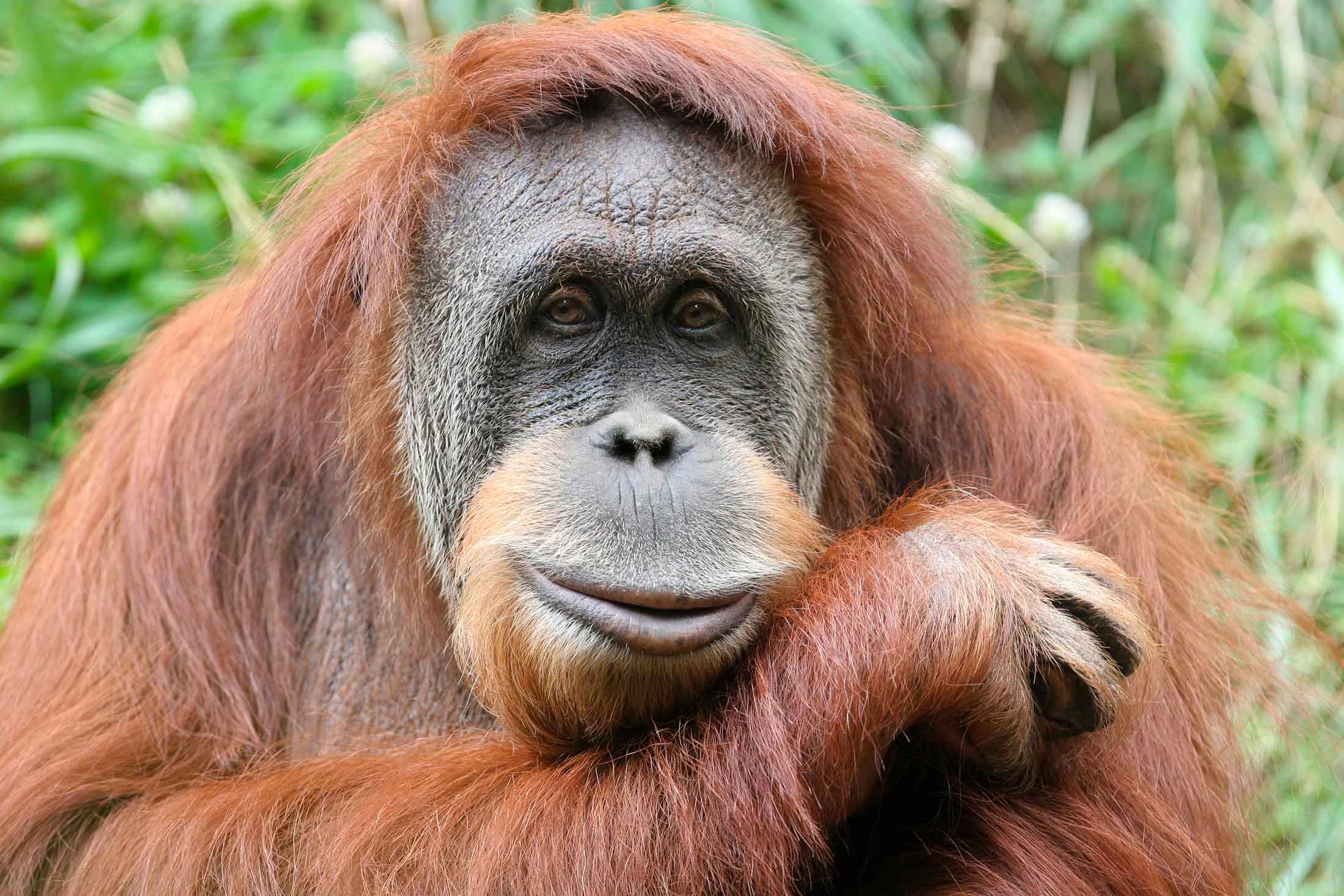
Helping Rescued Orangutans in Borneo
Borneo is home to the largest population of critically endangered orangutans in the world: about 55,000. But those numbers are falling fast. Forest fires and fragmentation have ravaged much of…
Since 2016, we have provided more than $450,000 to fund 57 projects around the world to scientists from underrepresented groups. We’ve funded scientists and conservation projects on five continents, focusing on species ranging from tiny, two-inch Panamanian golden frogs in Central America, to 10,000-pound Asian elephants in Myanmar.
Borneo is home to the largest population of critically endangered orangutans in the world: about 55,000. But those numbers are falling fast. Forest fires and fragmentation have ravaged much of…
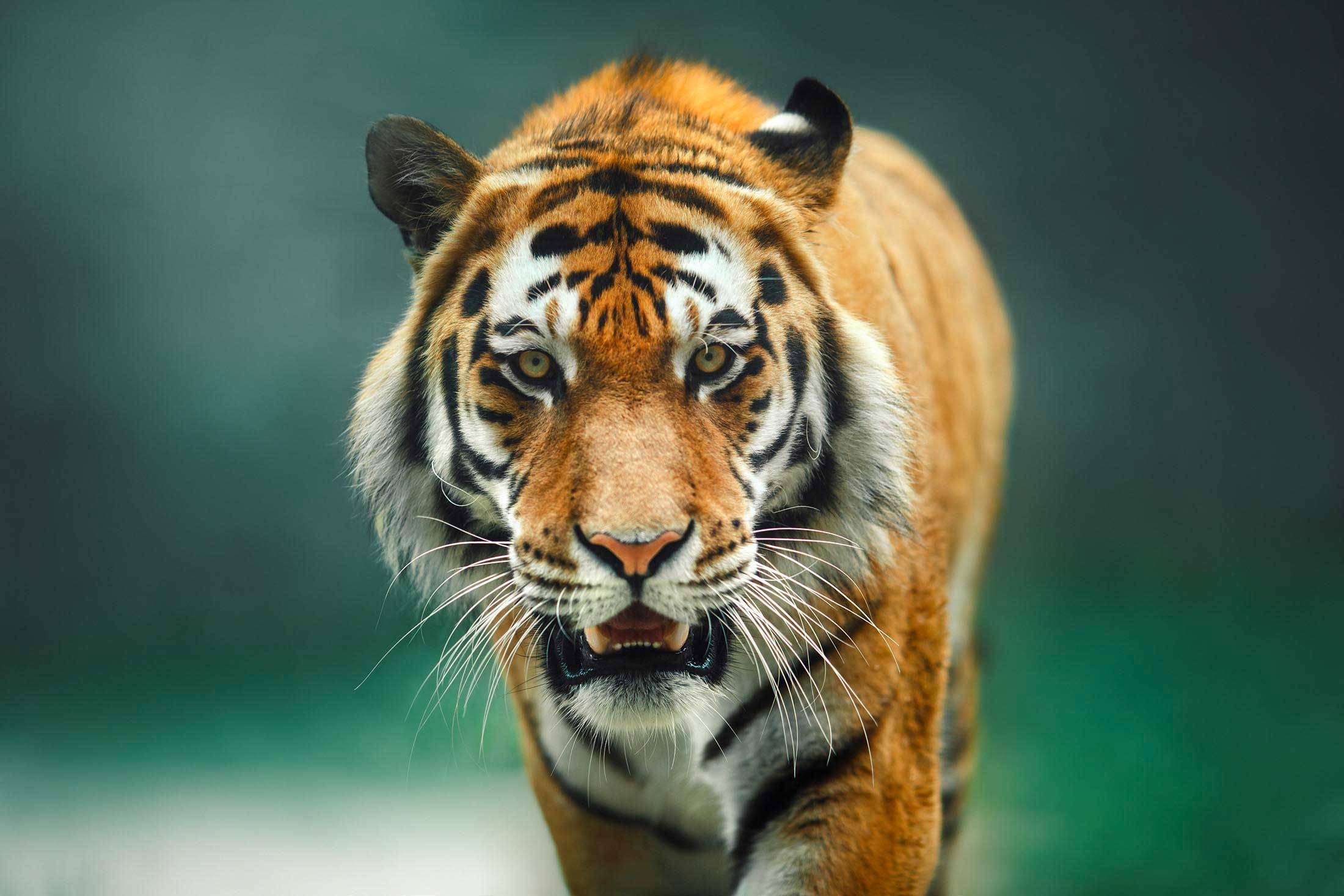
Scientists need to research a rare tiger population whose mangrove-forest habitat is threatened by rapid sea-level rise, and they need to do this as soon as possible. They will analyze…
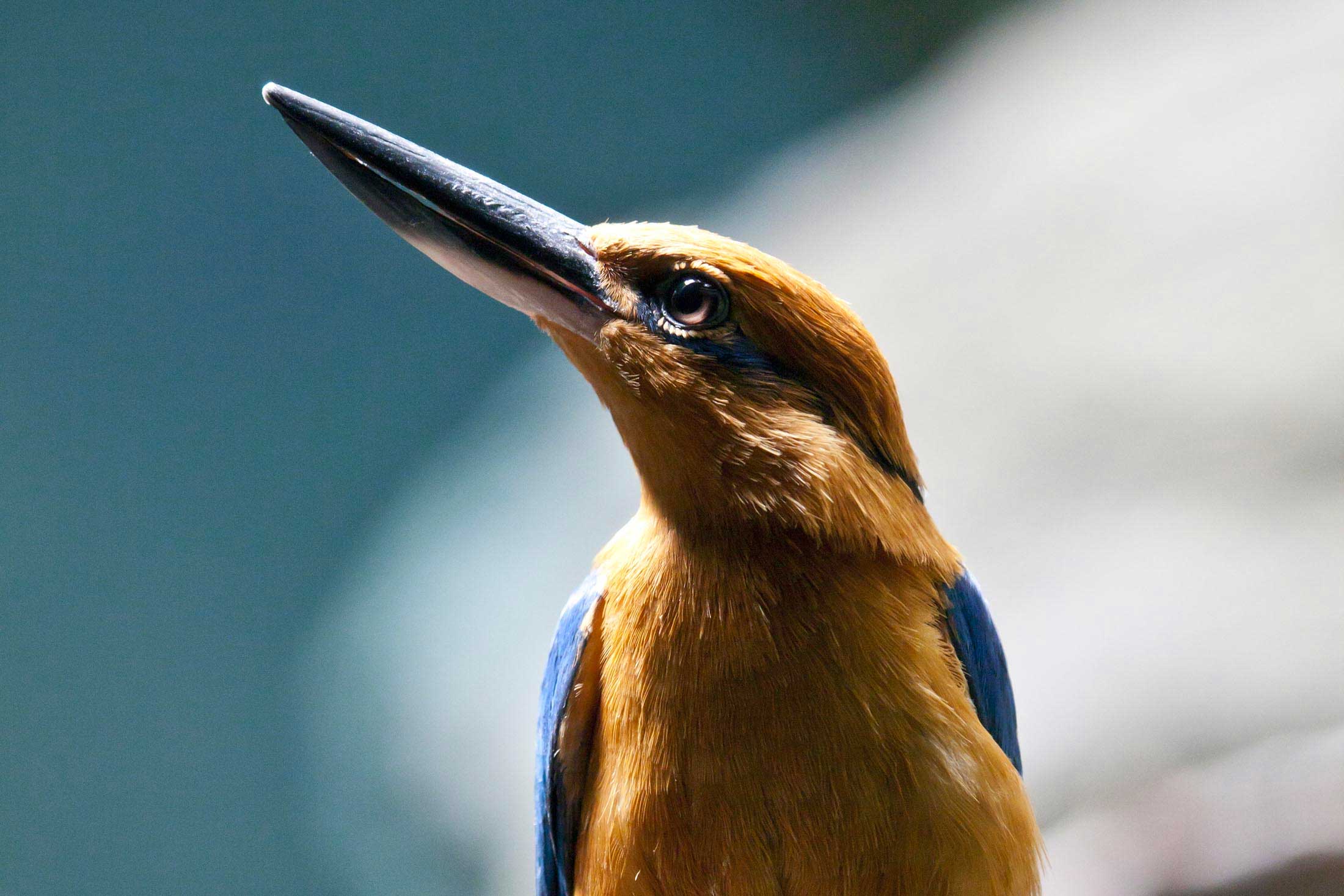
The Guam kingfisher is extinct in the wild. For now. Scientists hoping to rewild the species need to launch a study gathering key information about how they can successfully breed…
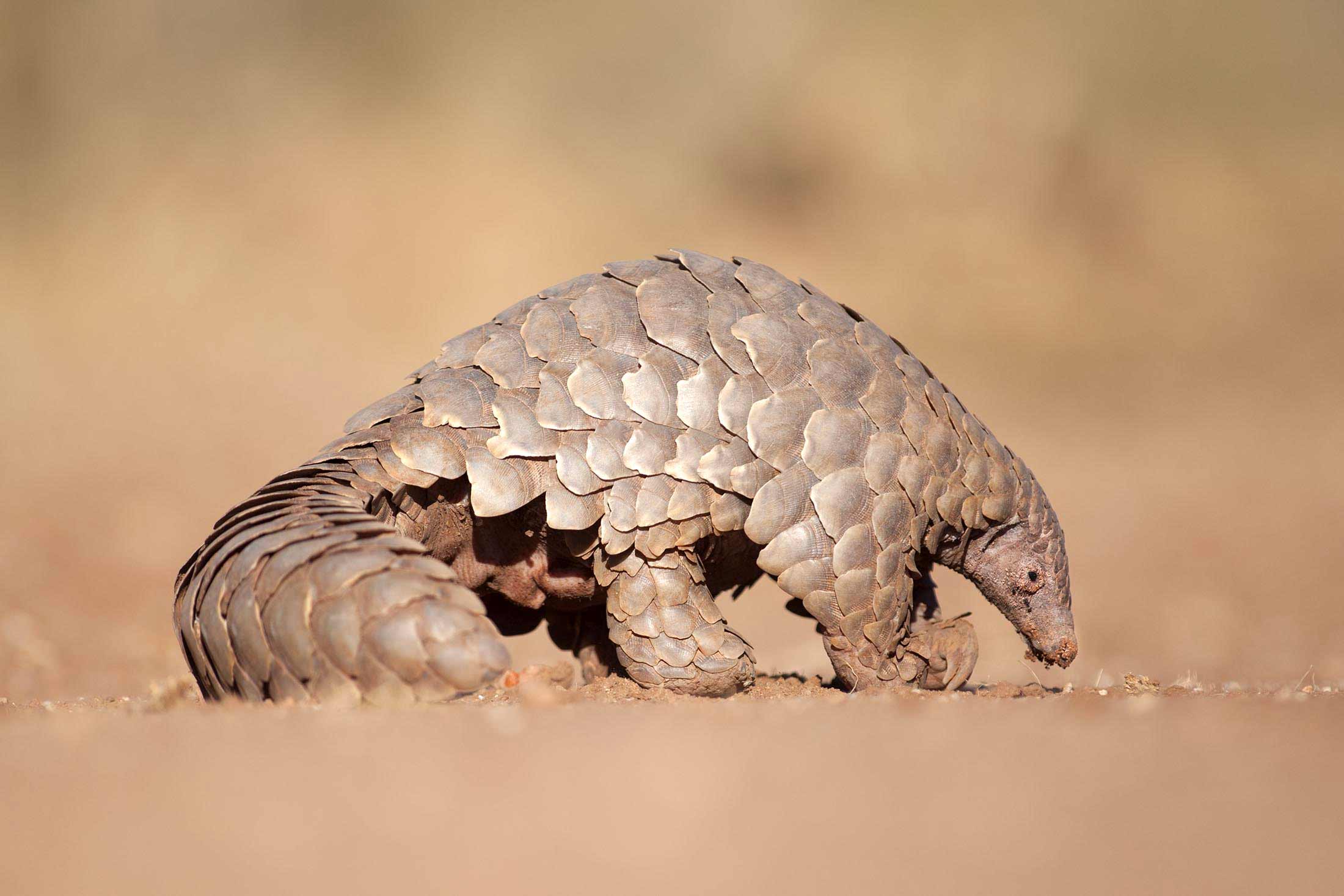
The most trafficked mammal in the world is the critically endangered pangolin. To help the species' numbers grow, veterinarians want to help save the pangolin across Southeast Asia by purchasing…
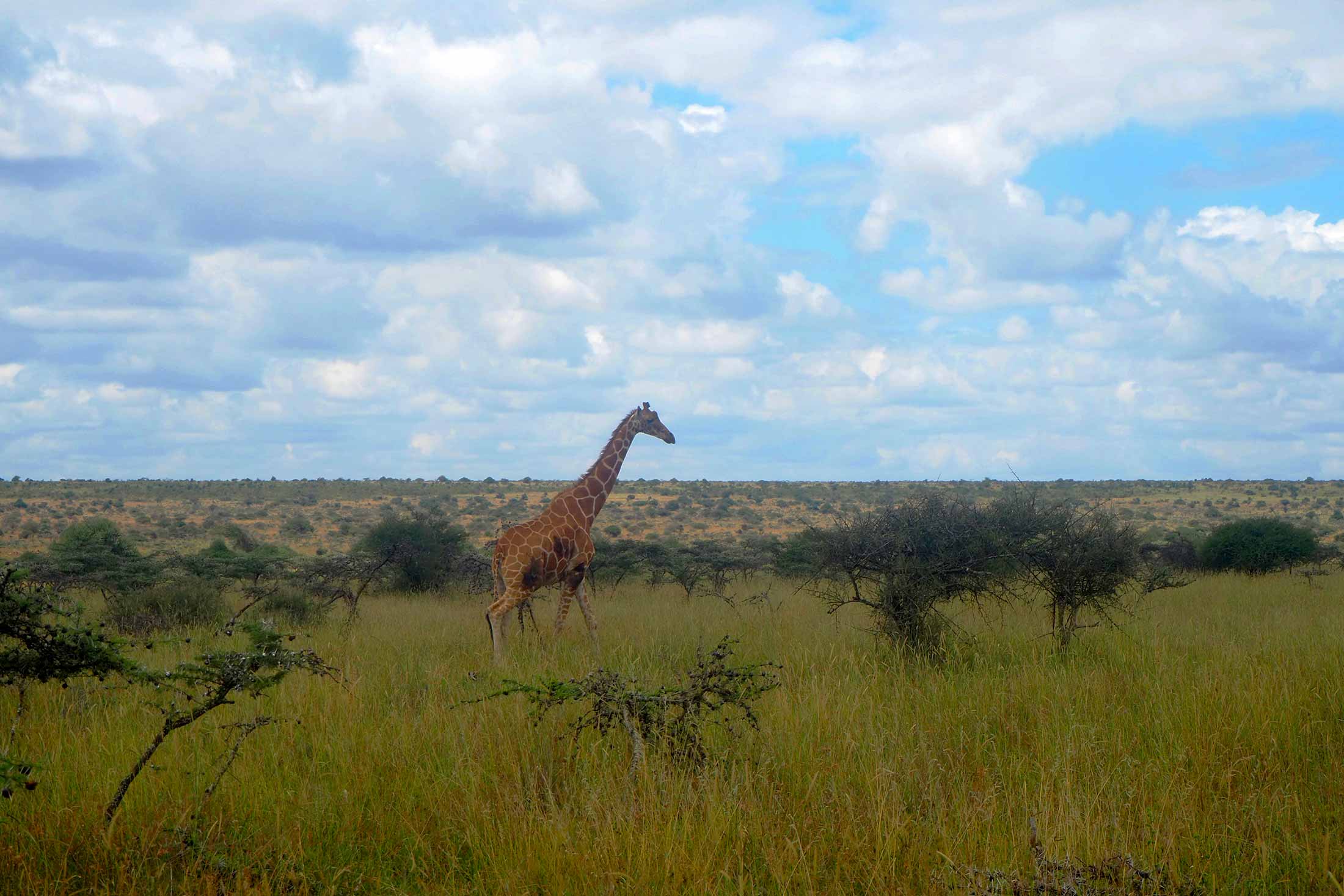
In 2017, scientists tagged 11 reticulated giraffes with high-tech, solar-powered, satellite transmitters. Just months later, the information gathered revealed a sobering reality—four of the animals had been poached. And for…
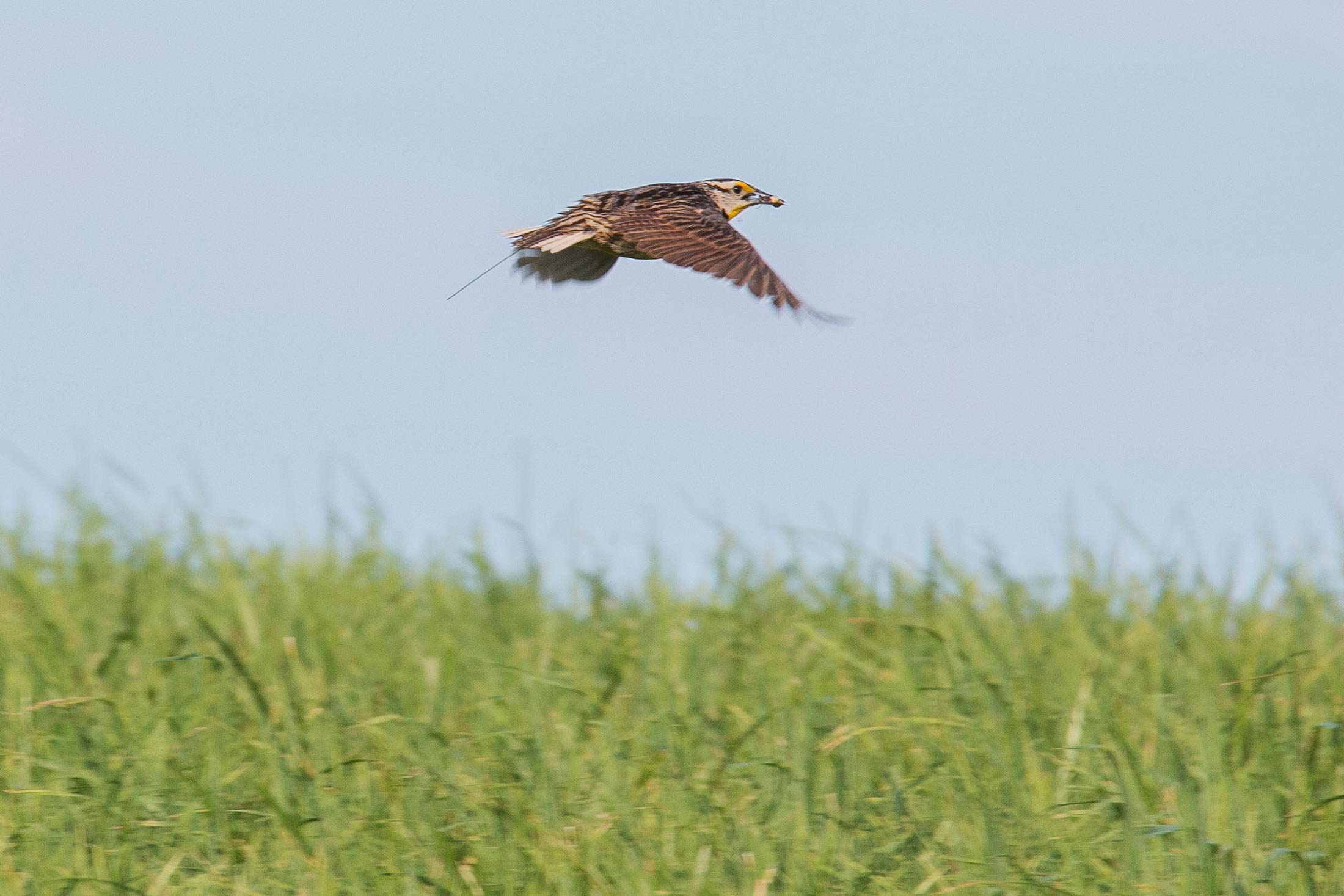
Conservation Nation purchased tiny high-tech GPS tracking devices to outfit eastern meadowlarks in order to help Smithsonian researchers know the path of a depleting population of songbirds as they migrate up and down the East Coast.
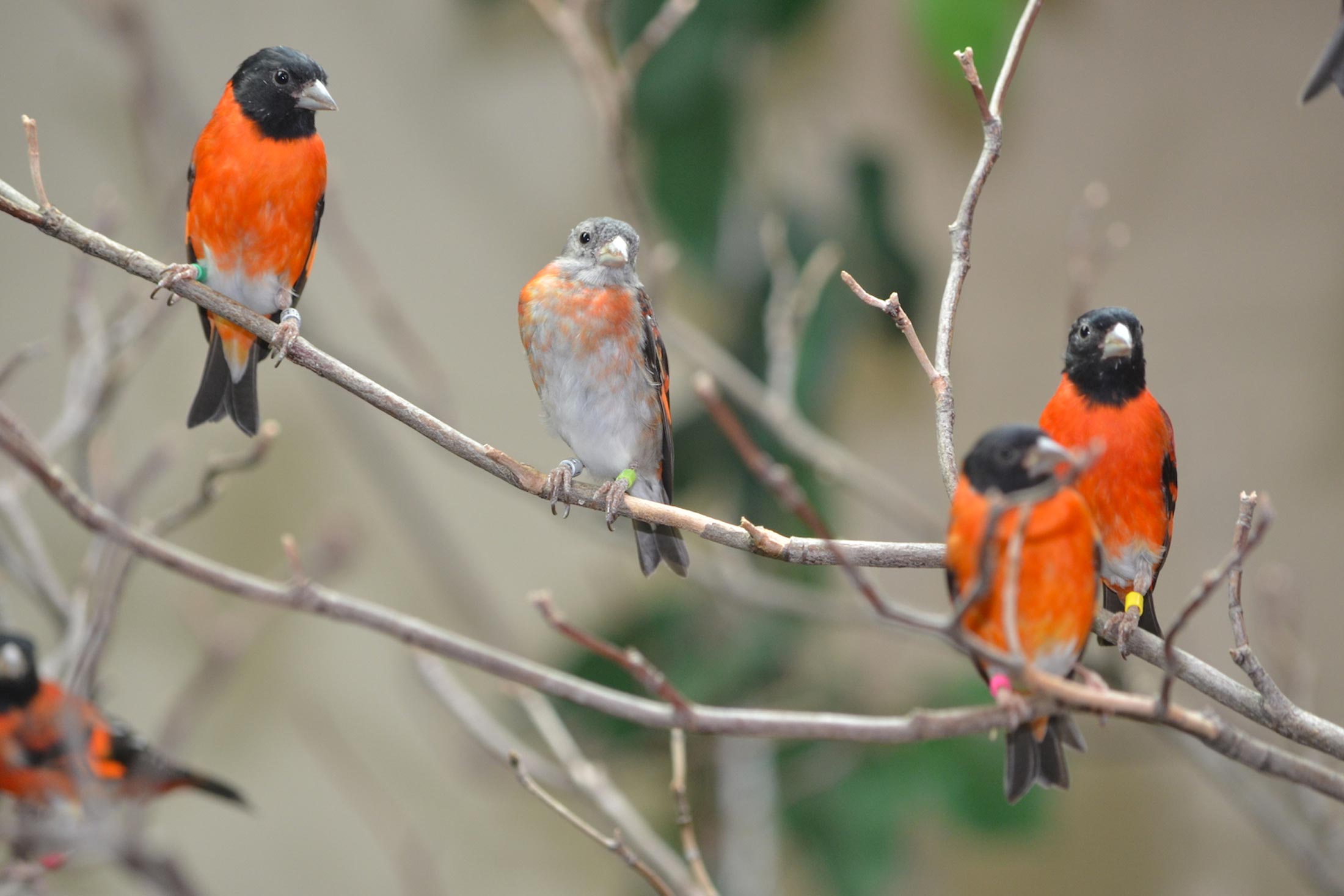
The dedicated folks at the Red Siskin Initiative are unflappable. With Conservation Nation's support, the initiative has focused its energies on commencing daily conservation activities at the brand-new Red Siskin…
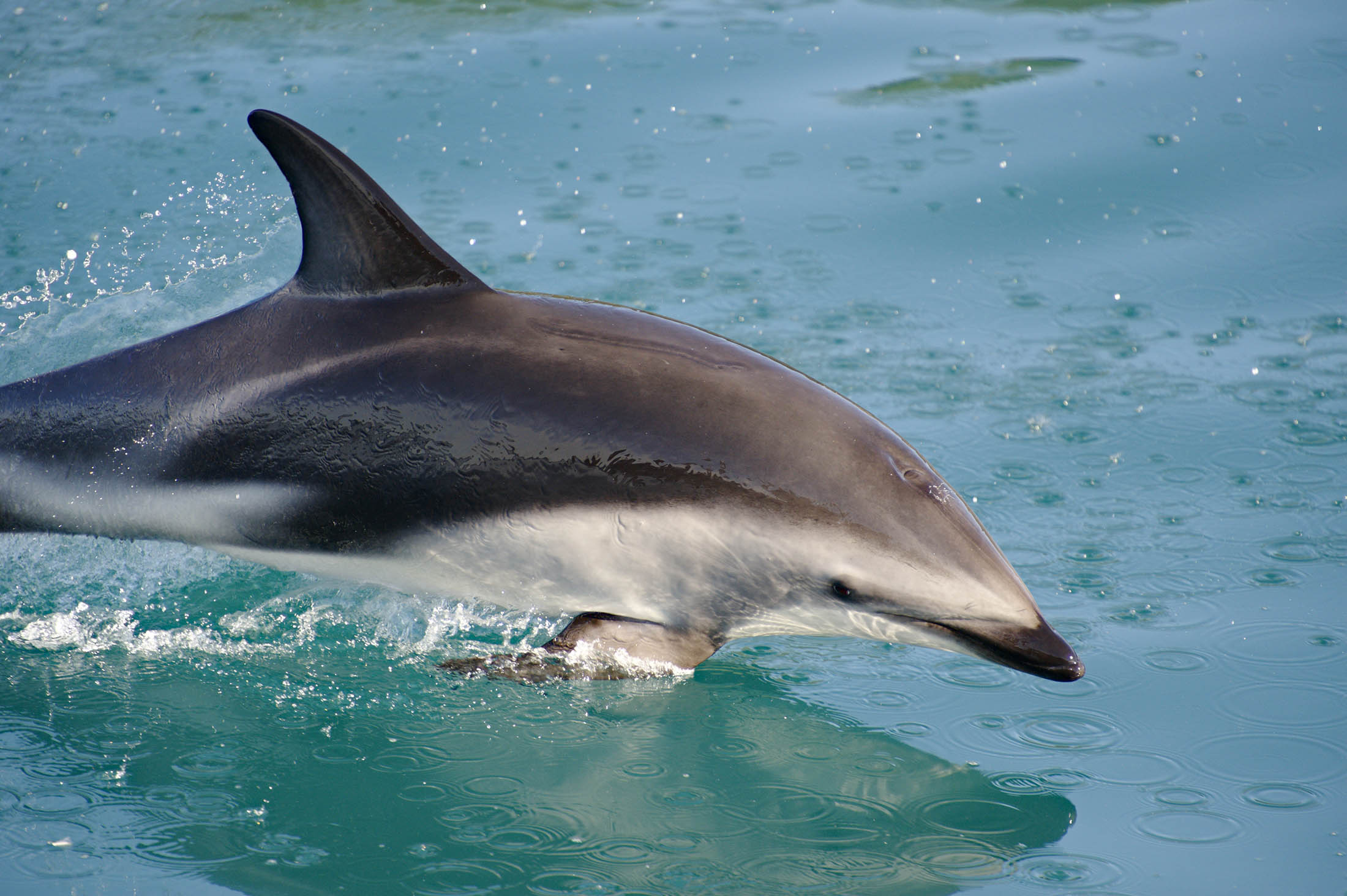
Eavesdropping on cetaceans—someone's got to do it. And thanks to Conservation Nation, and supporters like you, that someone is going to be marine biologist Dr. Ximena Velez-Zuazo and her team.…
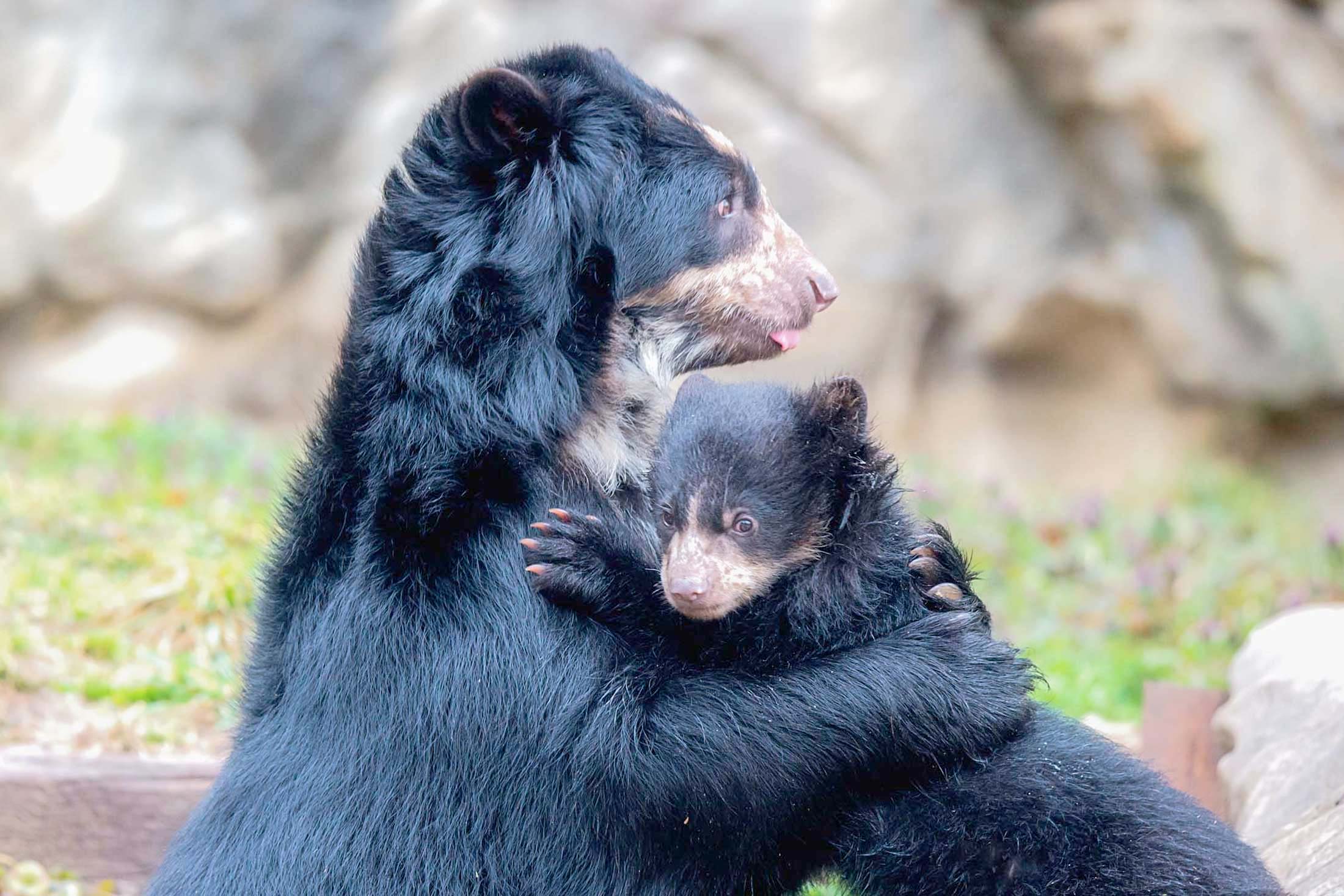
The "spectacled" Andean Bear already stands out, thanks to distinctive eyeglass-shaped facial markings and its newfound celebrity status as none other than the movies’ Paddington Bear. Add to that its…

There are 35 species of canids, including the maned wolf, dhole, African painted dog, and the critically endangered red wolf. Smithsonian scientists are using in vitro fertilization and other techniques to...
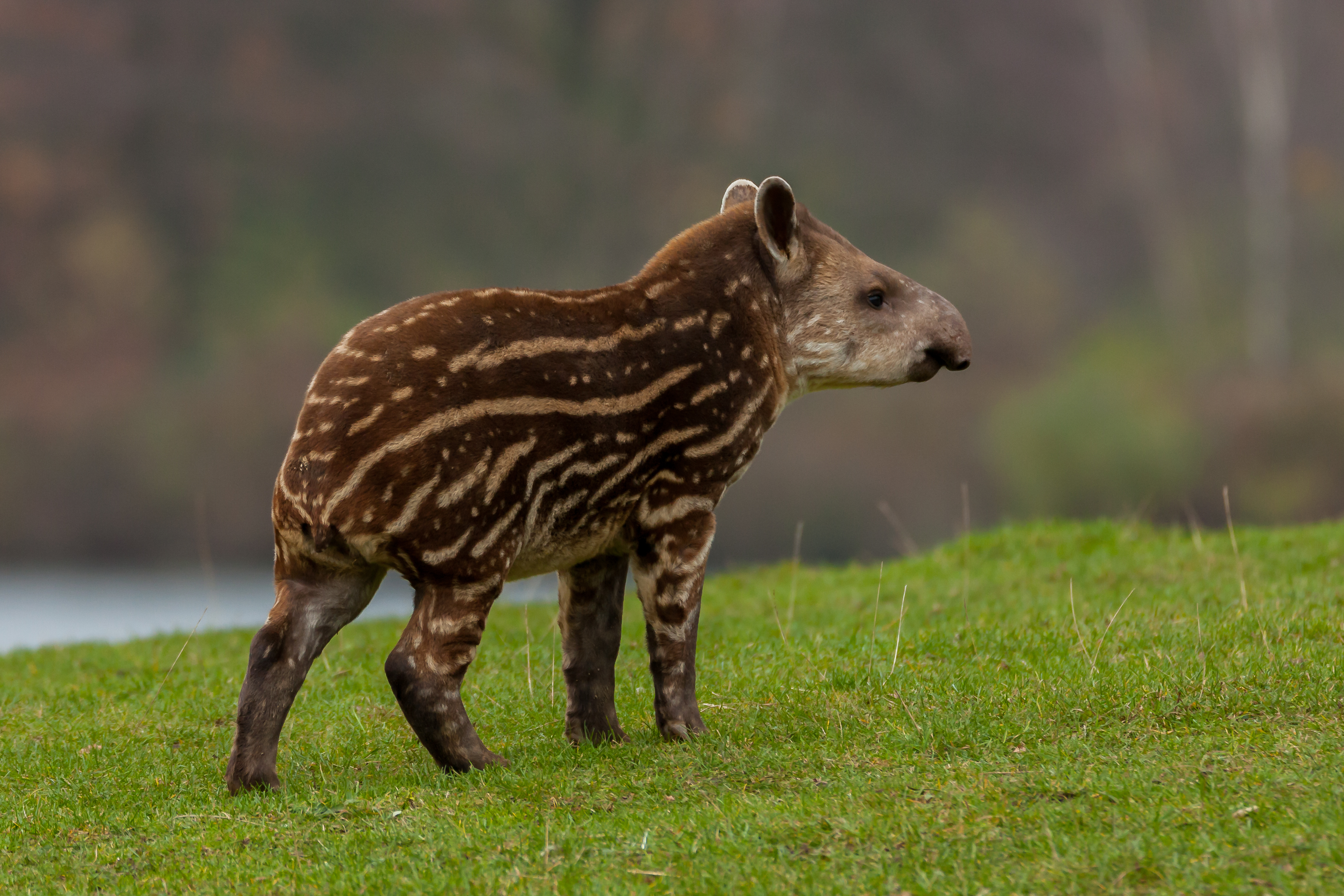
The Lowland tapir is critical to the biodiversity of the Paraguayan Chaco's rich ecosystem. But because of habitat loss and poaching, this species' numbers are falling. That's why we want…
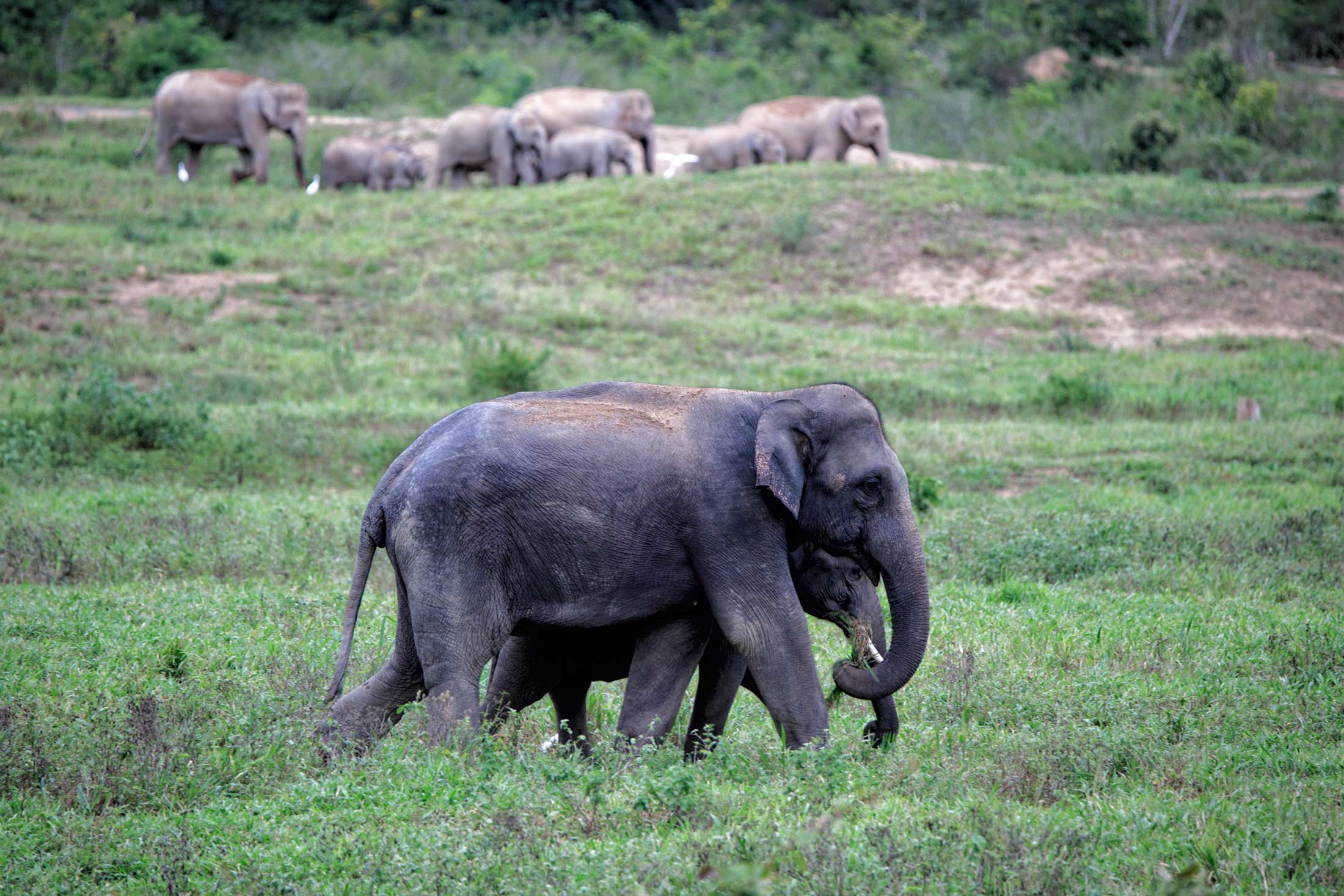
Elephants out of a job? It might sound like a joke, but for critically endangered Asian elephants trained to work in logging camps, unemployment is a serious problem. Smithsonian scientists…
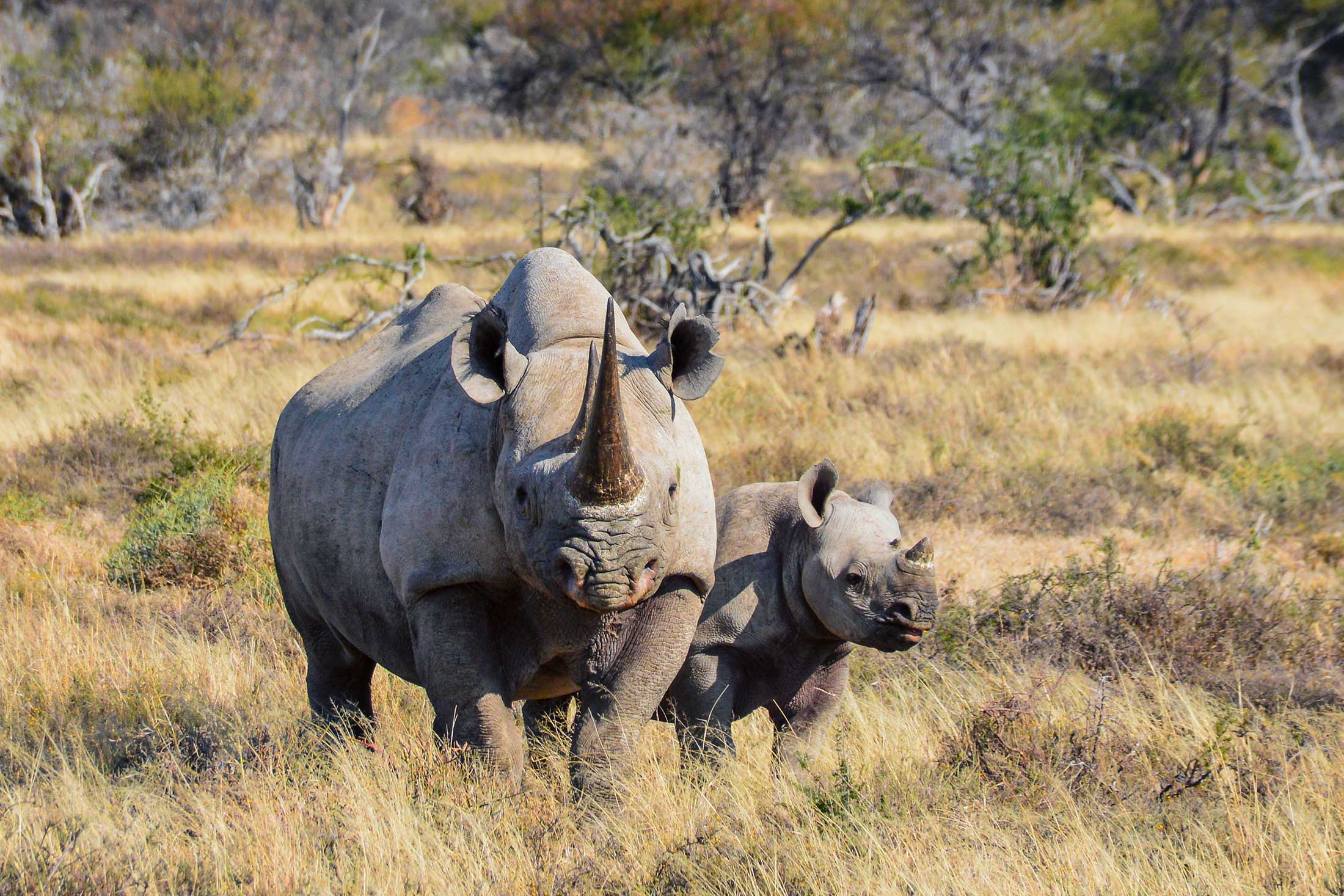
You are what you eat. And for dwindling numbers of the southern black rhinoceros, that saying is true now more than ever. The black rhino is critically endangered – fewer…
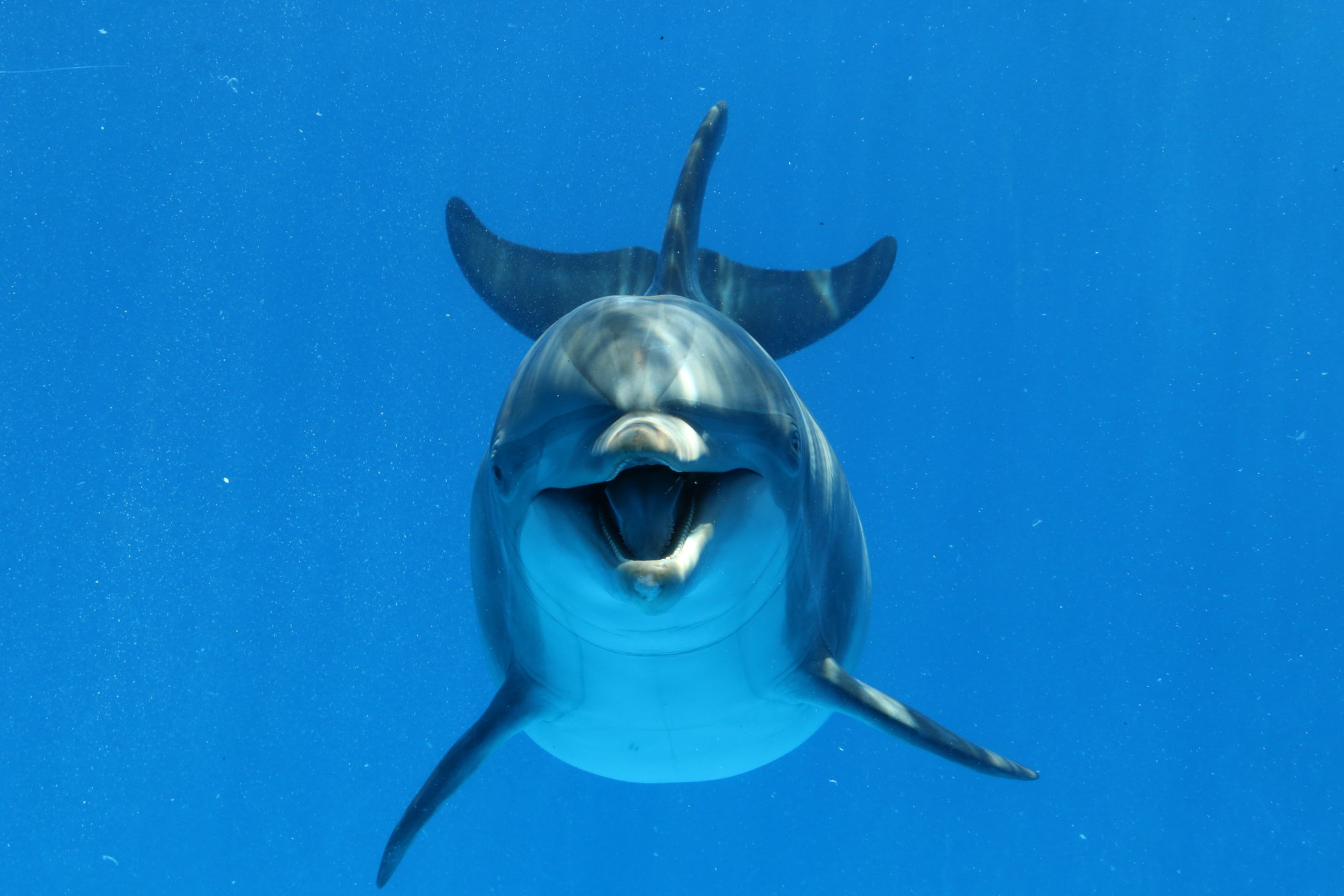
Dolphins and porpoises living off the coast of Peru face daily threats: industries expanding into their native waters and a lucrative poaching trade. To help, Smithsonian researchers need to study…
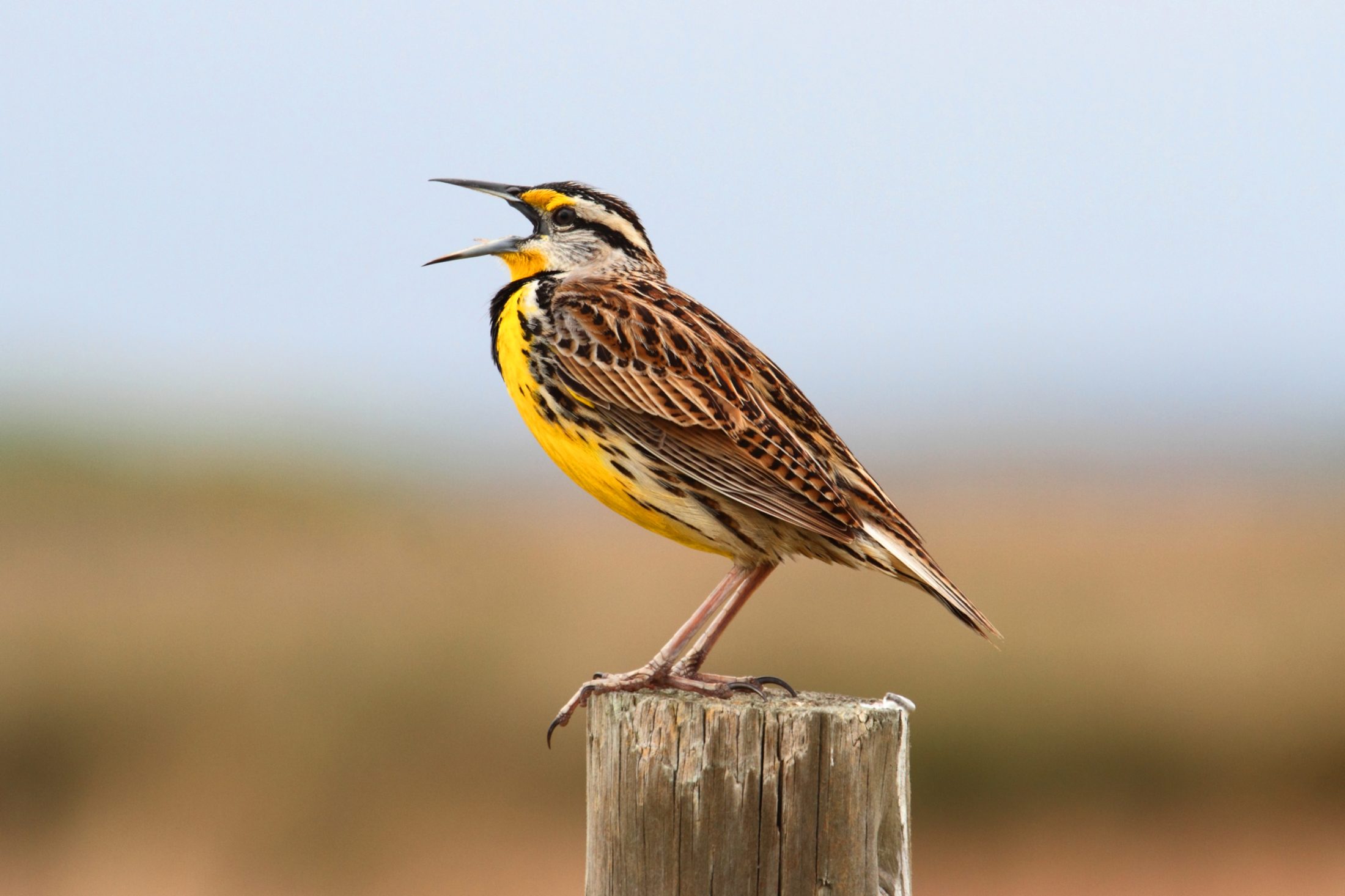
The song of the Eastern meadowlark sounds like a flute that drops its pitch—beautiful and distinctive. These days bird enthusiasts hear the meadowlark’s sweet call in the wild less and…
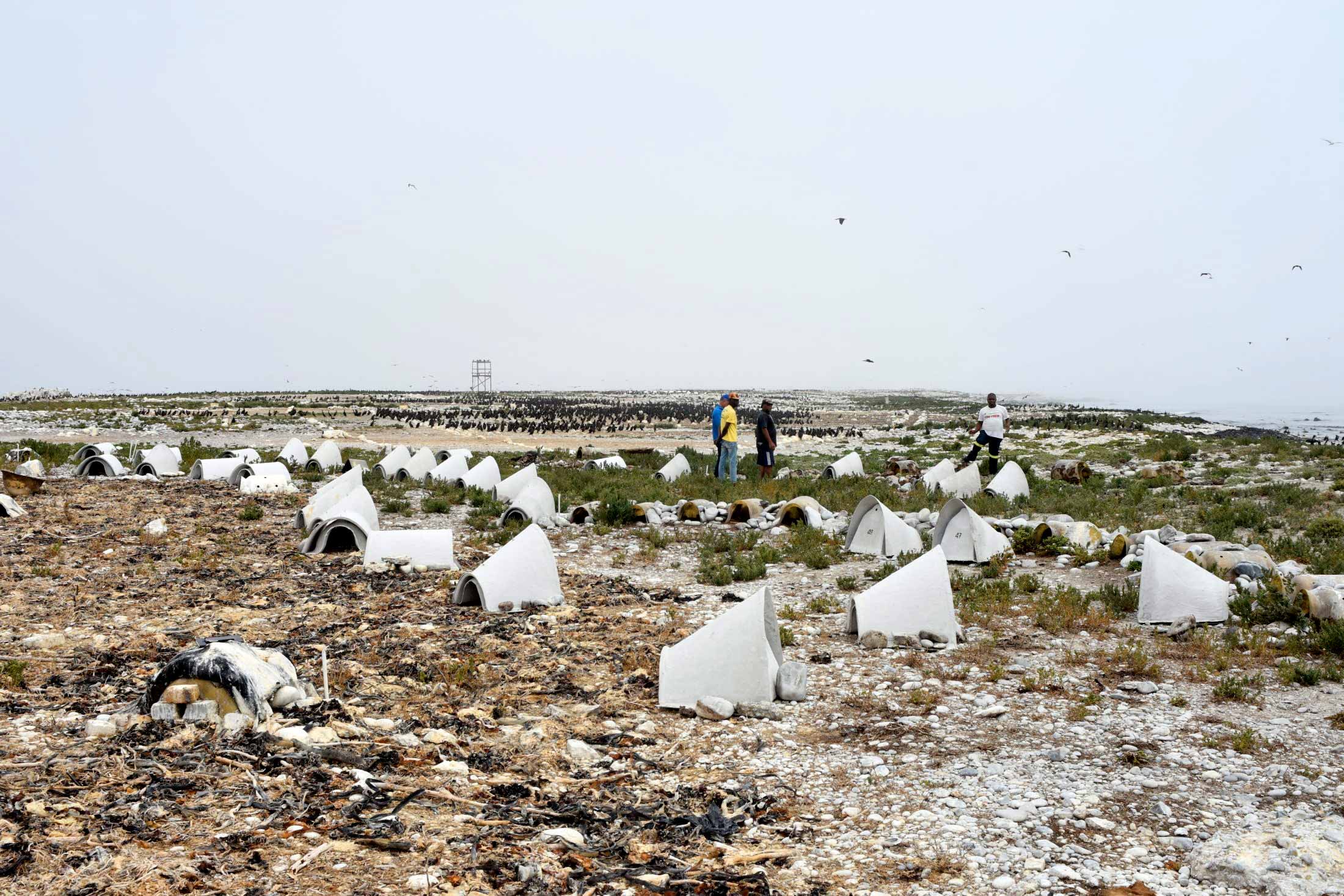
Not many people can say that they raised a thousand chicks at one time. Curator Steve Sarro is one such person. He has been a leading African penguin researcher for…
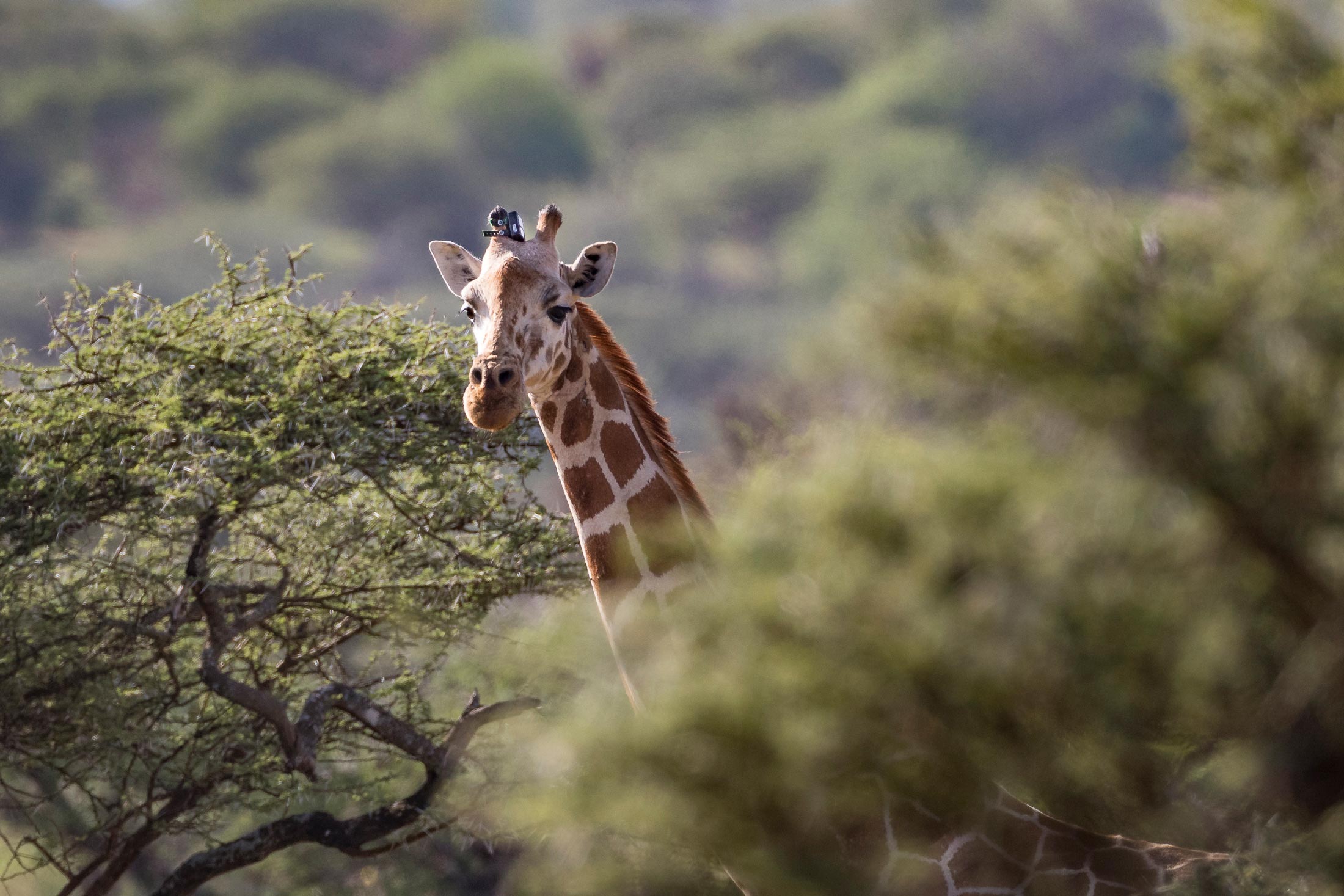
You would think the world’s tallest land mammal would be easy to study, but very little is known about Kenya’s reticulated giraffe population. Scientists believe that habitat loss and increased…
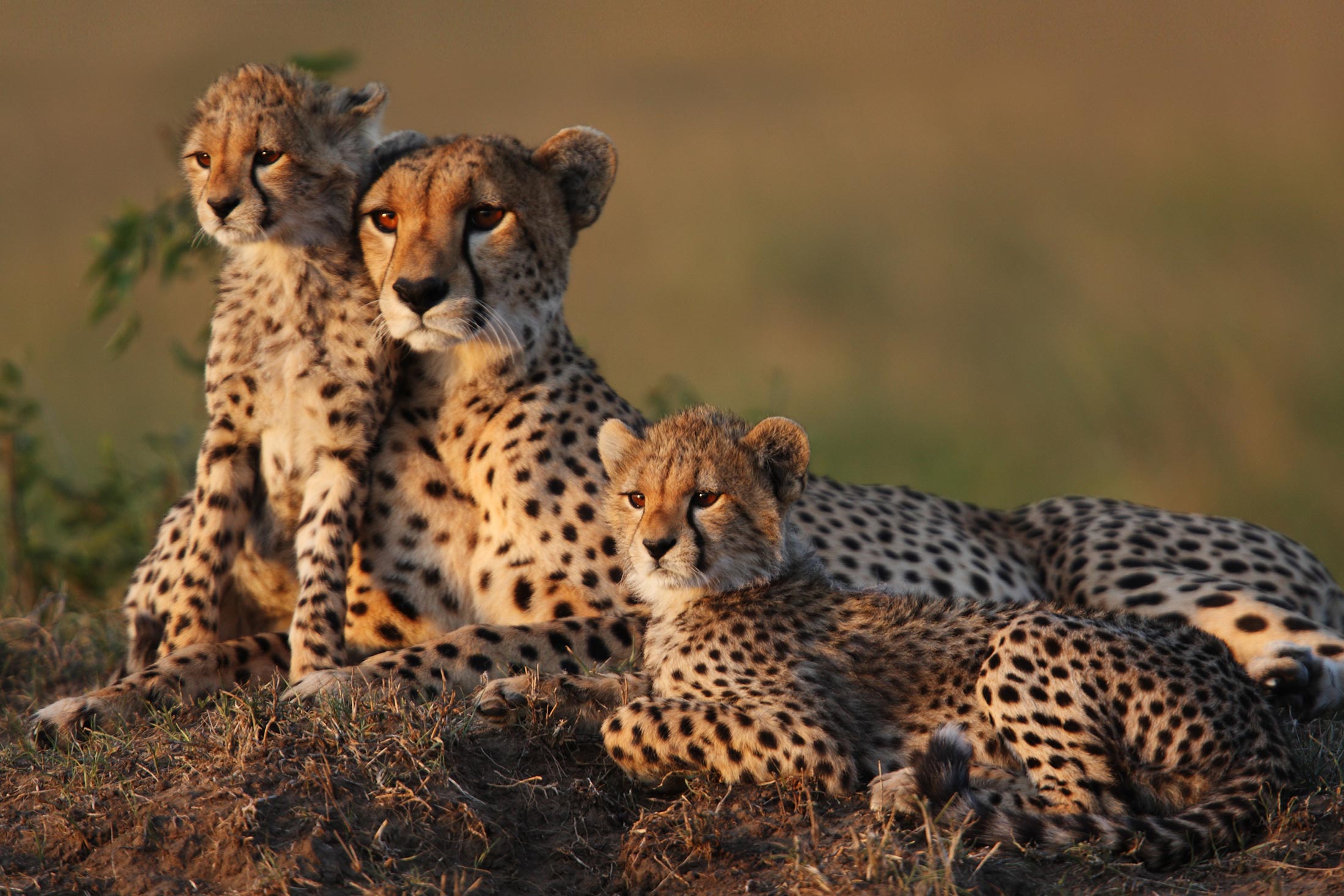
In addition to owning the title of fastest land animal in the world, cheetahs are also the most endangered African cat species, with roughly 6,700 left in the wild. Inbreeding…
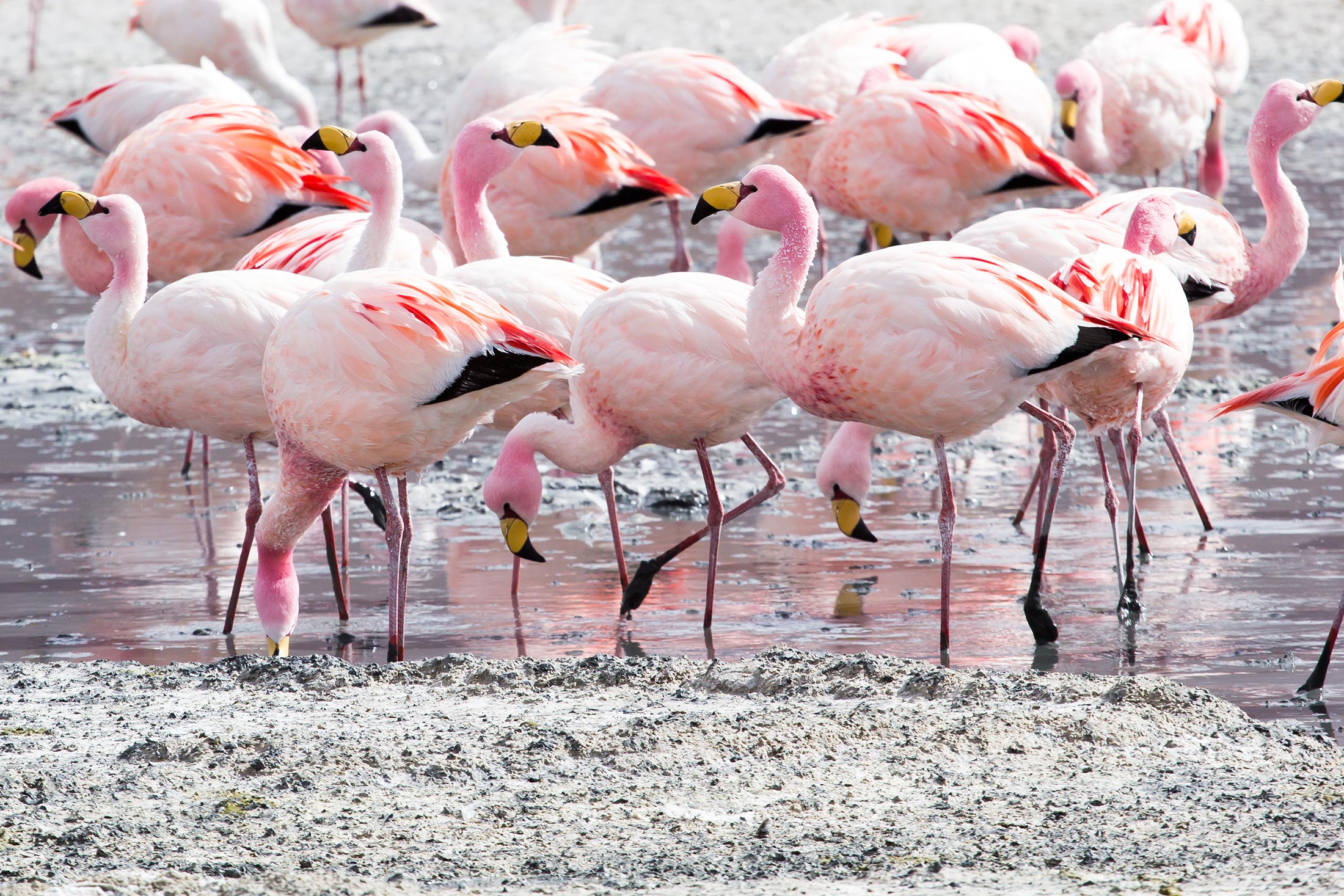
The Andean flamingo—listed as vulnerable on the IUCN Red List of Threatened Species—is native to the Andes Mountains, and is among the rarest flamingo species on the planet. Andean Flamingos…
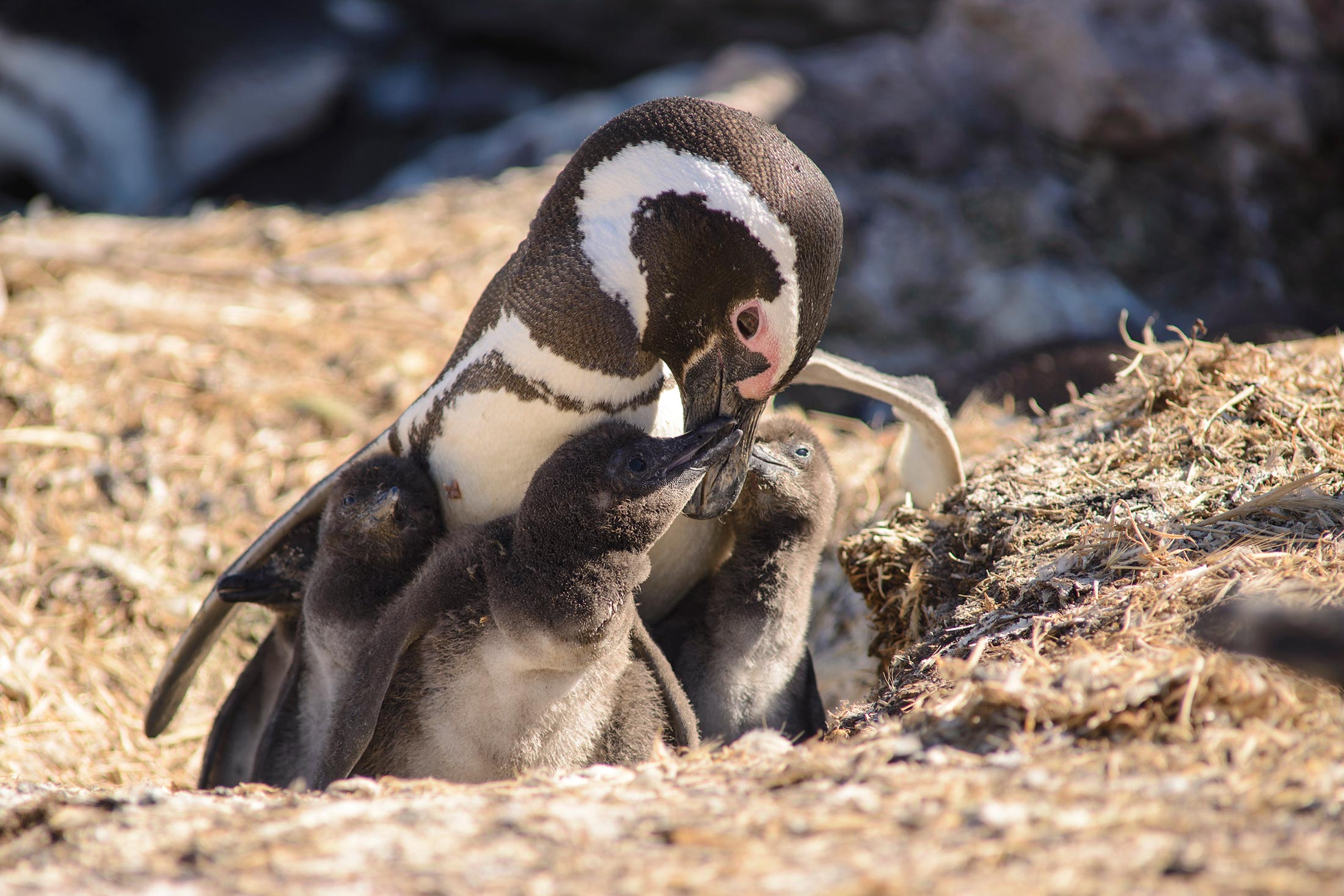
In just three decades, the African penguin population has declined more than 50 percent. Now endangered, African penguin populations continue to decline, due to destruction of breeding grounds for the…
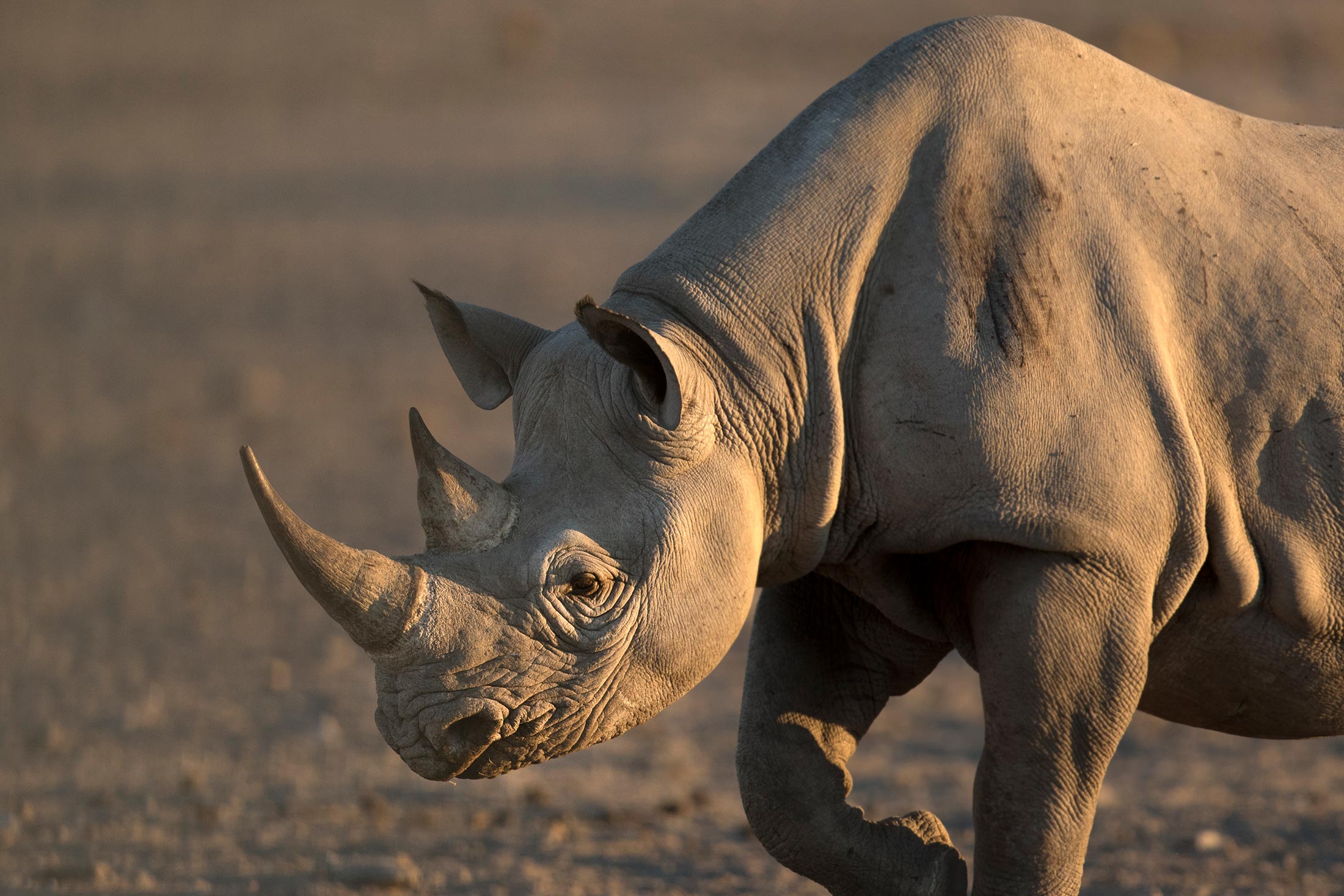
Rhinos are among the most universally recognized species in the world, but they are also one of the most endangered with only two rhino species remaining in Africa. With so…
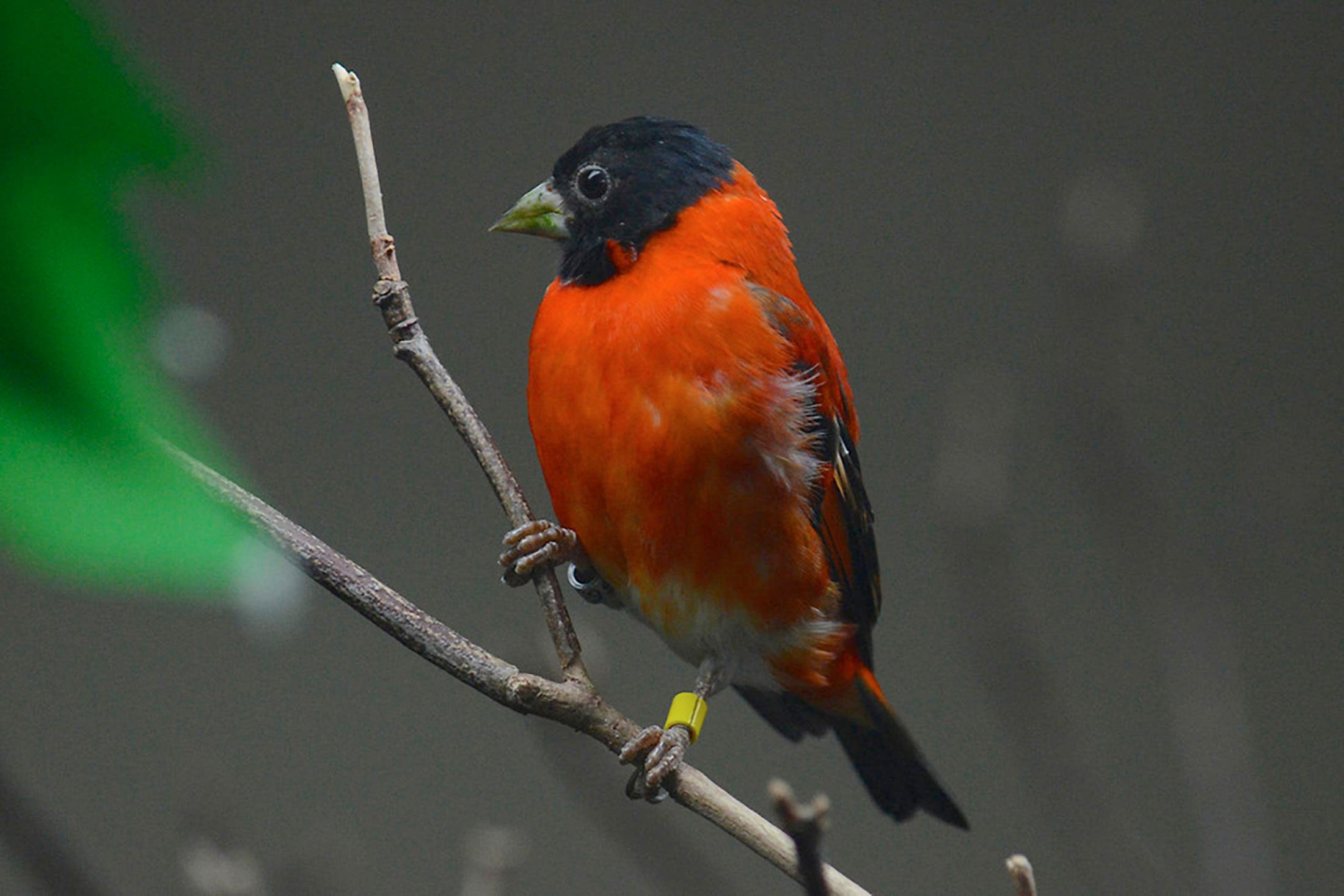
The red siskin is one of Venezuela’s most iconic birds, but the illegal pet trade and habitat loss have nearly guaranteed its extinction. Several ways that scientists are working to…
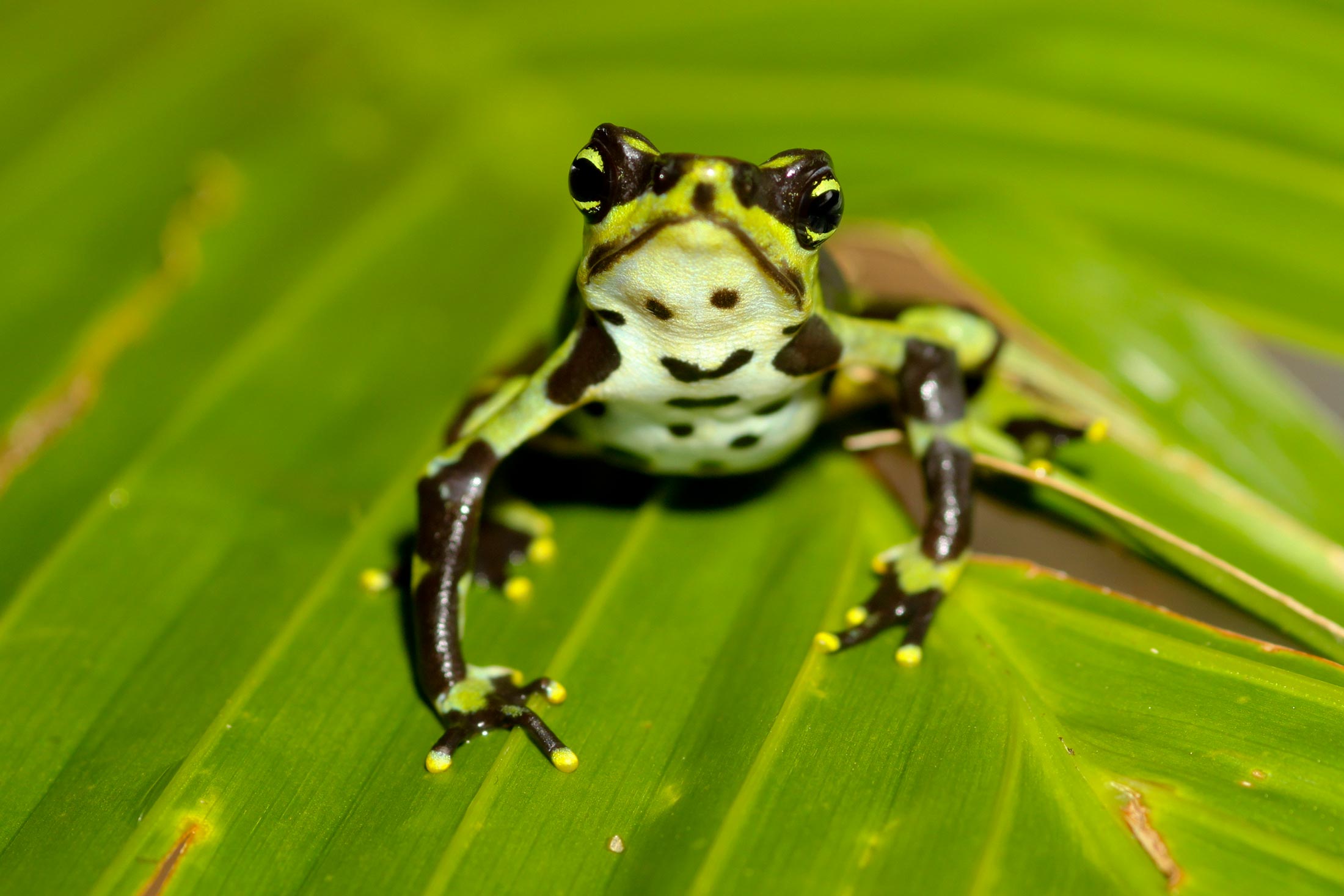
Central America’s Harlequin frog population was pushed to the brink of extinction by the amphibian chytrid fungus disease. There is hope after the “soft release” of 400 frogs back into…
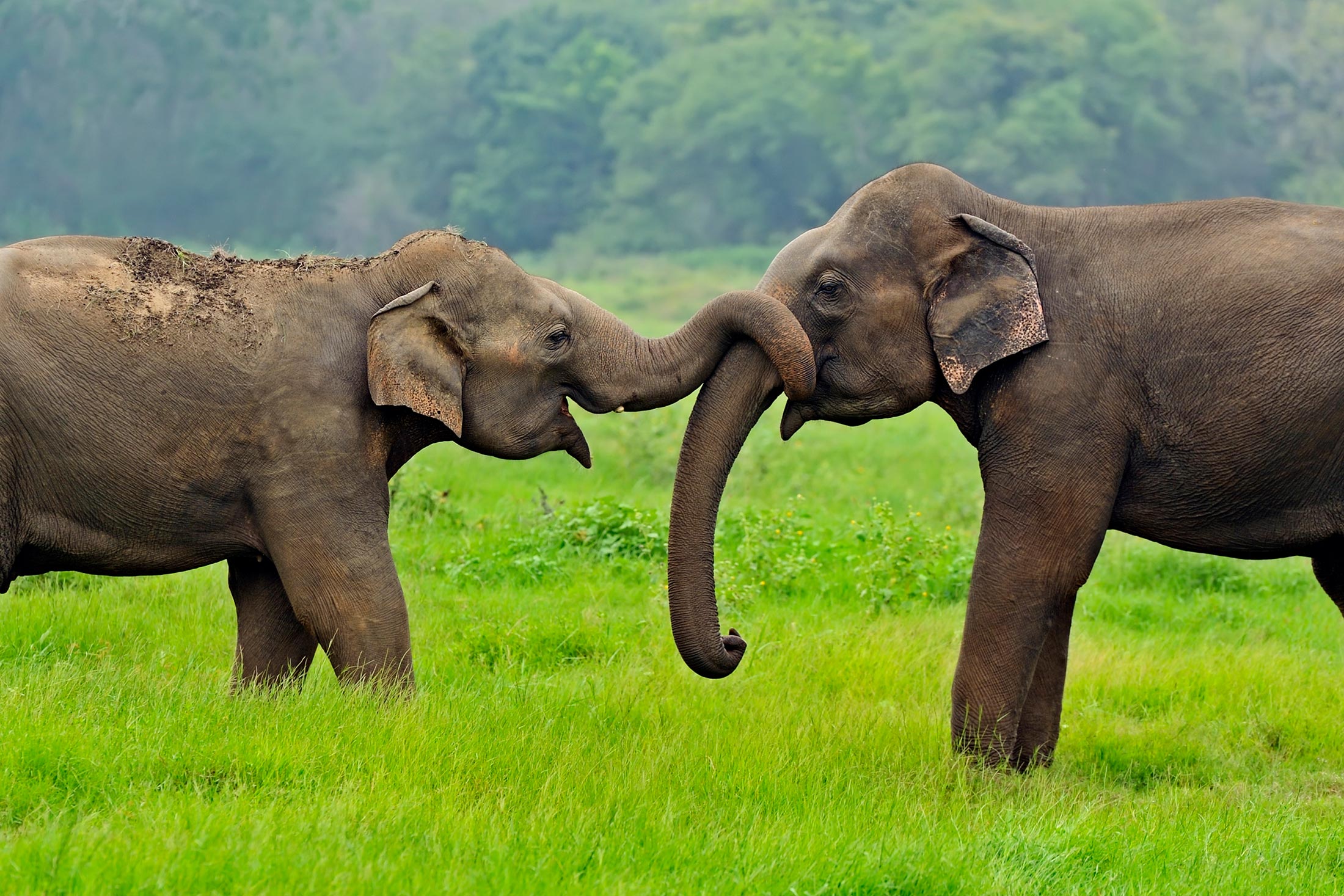
Ensuring the health of endangered Asian elephants in Thailand is critical to creating a healthy population—in human care and in the wild—but a desperate area of focus is detecting and…

Since 1985 the scimitar-horned oryx has been extinct in the wild. In 2016, 23 oryx grazed on their native soil in the African country of Chad for the first time in 30…
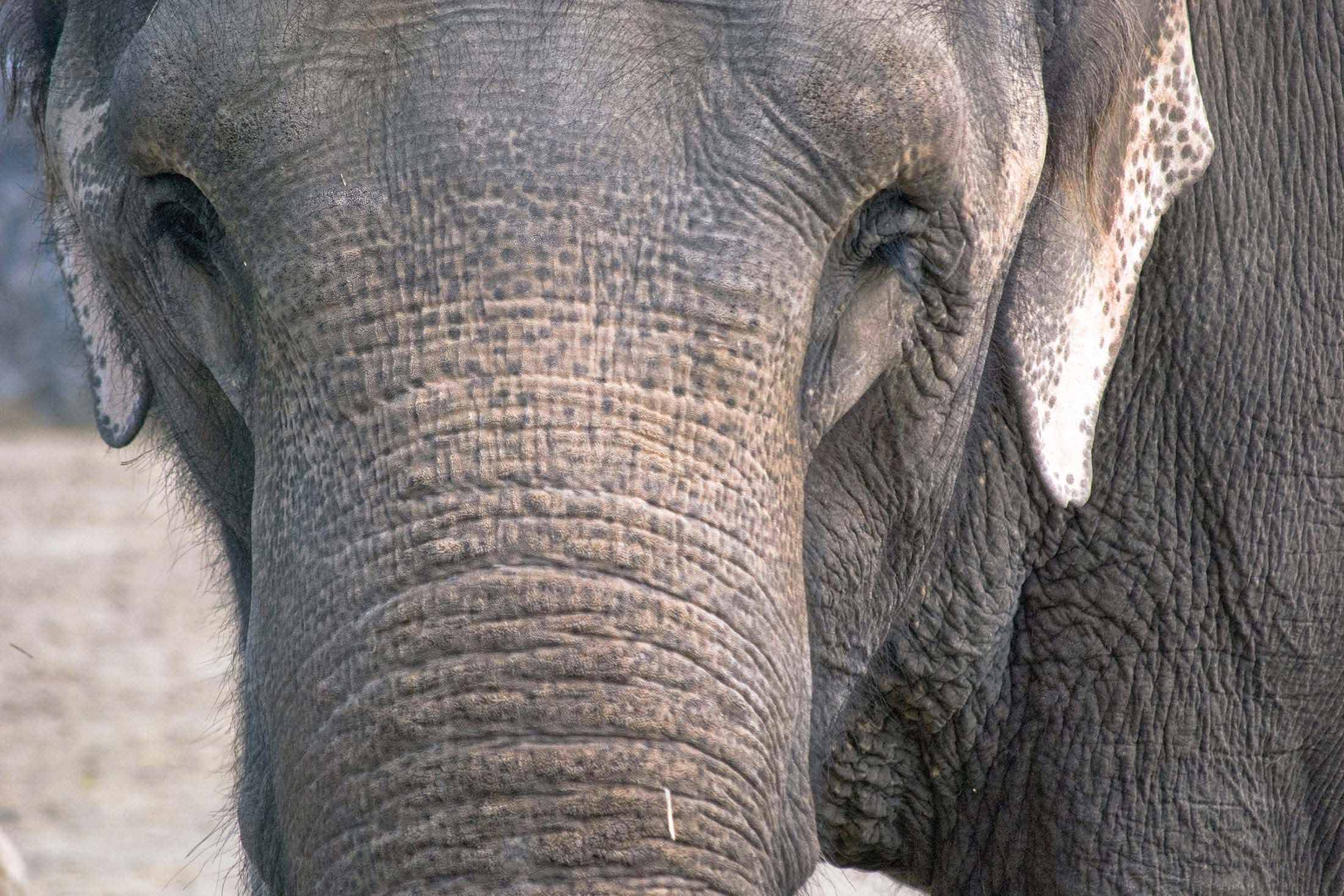
Fewer than 1,850 wild Asian elephants remain in Myanmar. Habitat loss, conflicts with farmers, illegal capture, and poaching have caused Asian elephant populations to fall by more than 70 percent—a…
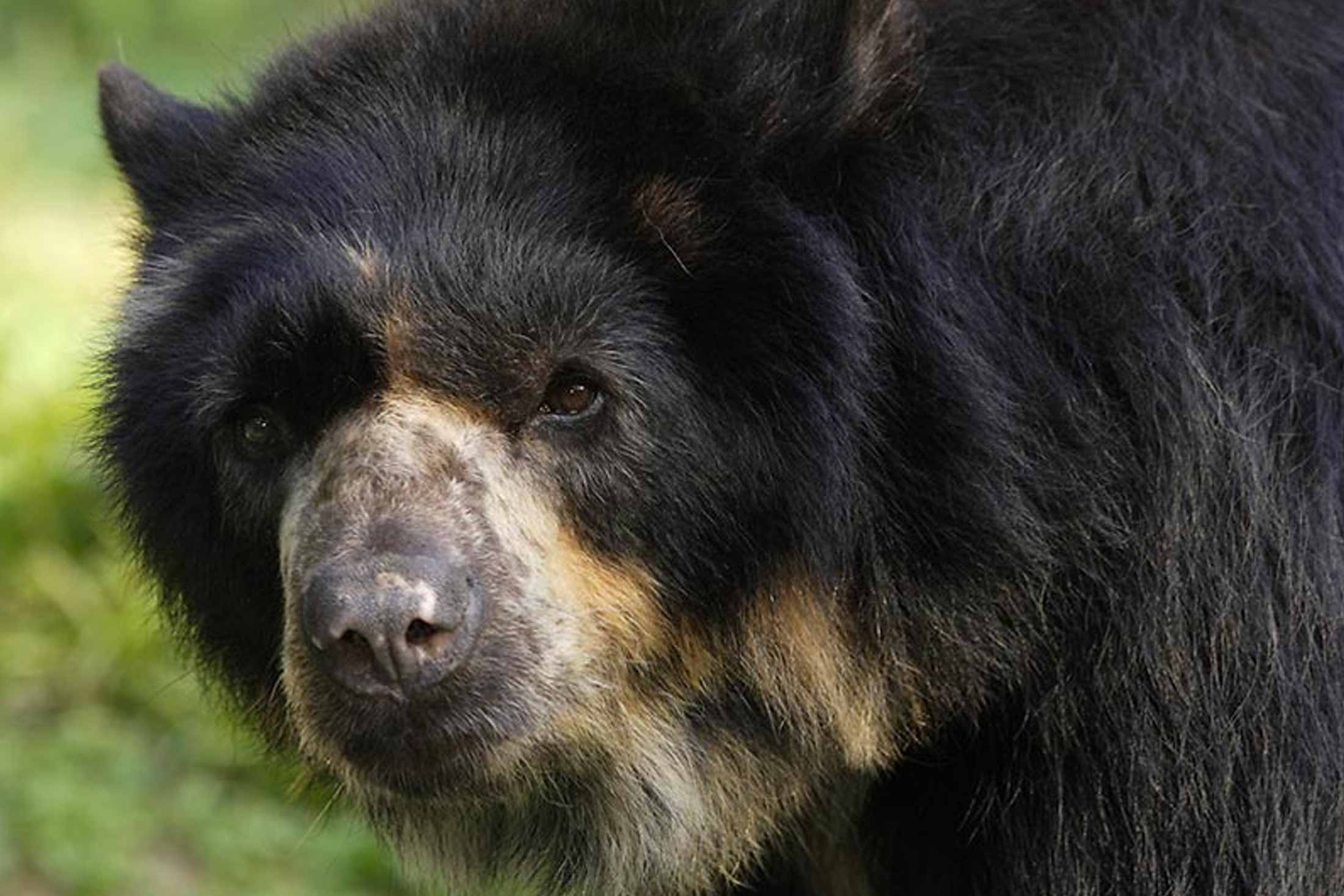
Andean bears are listed as vulnerable on the International Union for Conservation of Nature’s Red List of Threatened Species, with a likely decline of more than 30 percent within the…