
Saving Sea Turtles: Community Conservation in Anambas
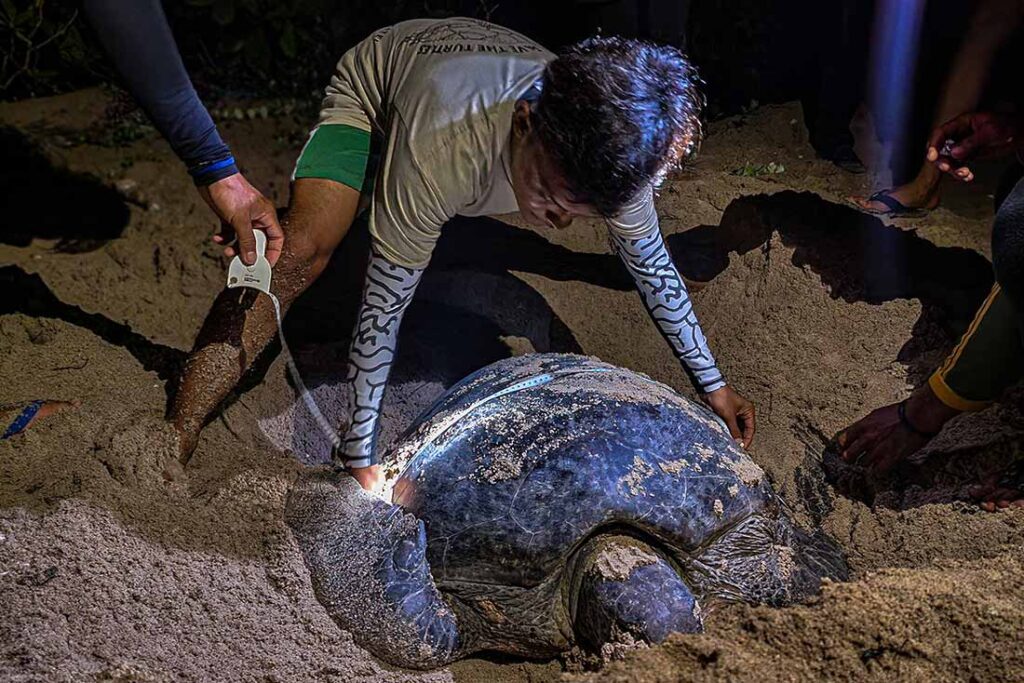
In the heart of the Anambas Islands, specifically Teluk Dalam, Jemaja District, a remarkable initiative is underway. This location is among the areas with the highest number of nesting turtles in the Anambas Islands. Supported by Conservation Nation, the Anambas Foundation has launched a community-based sea turtle conservation program to create a sustainable future for these majestic creatures, led by the local community. Our primary objective is to establish a long-term sea turtle conservation program that empowers the local community.
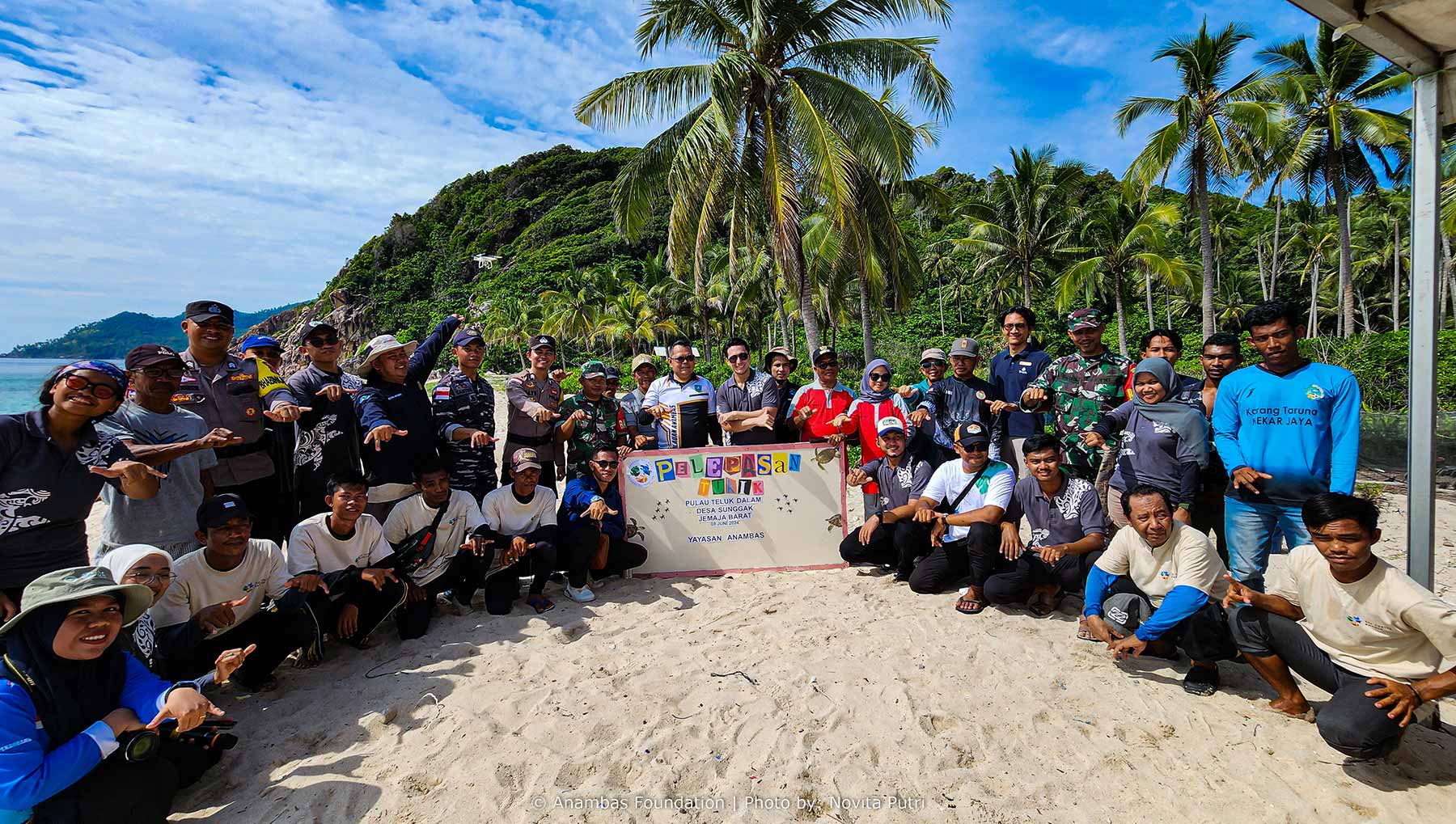
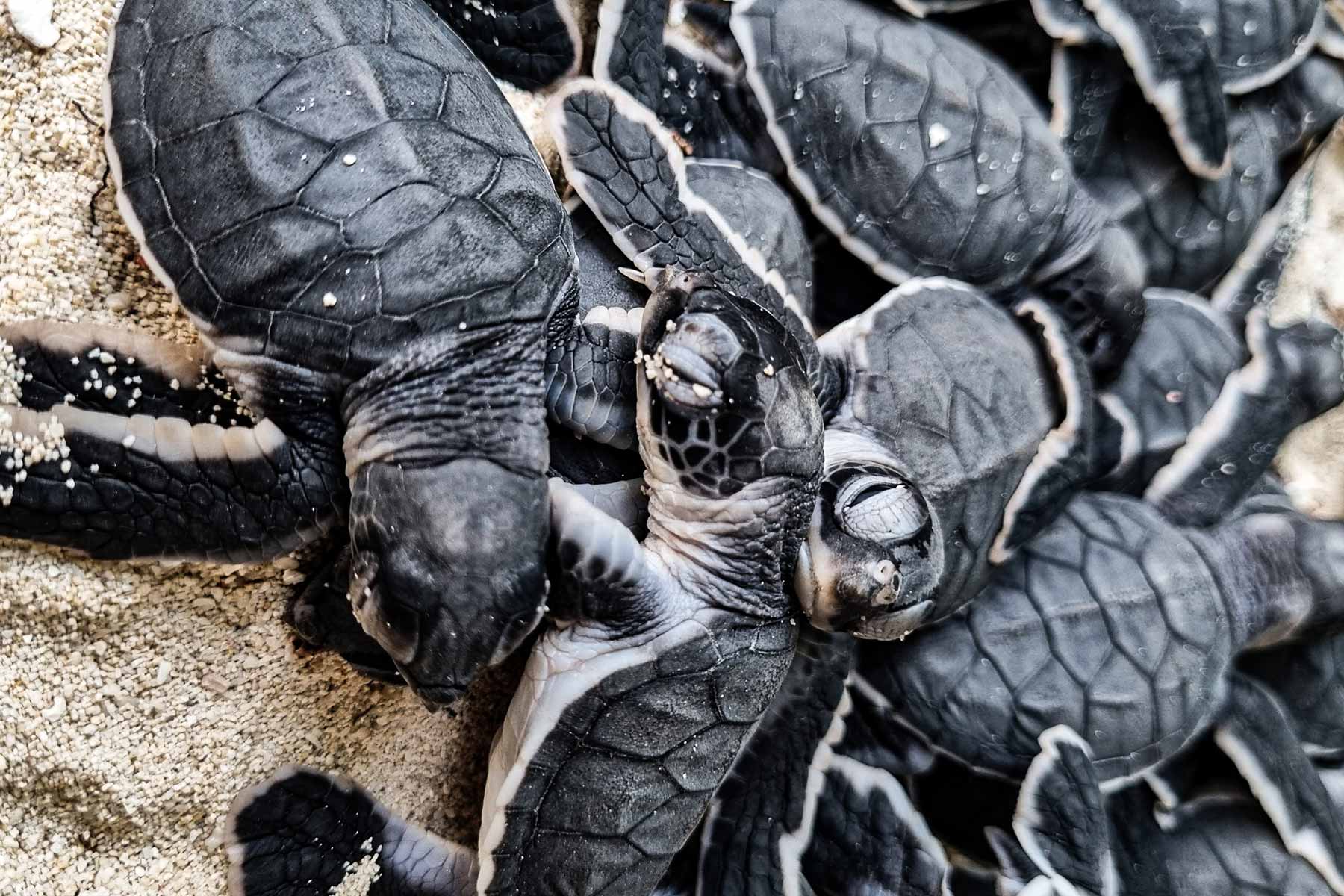
We launched our Sea Turtle program at Sadang Beach with a hatchling release event, attended by stakeholders from Anambas Islands.
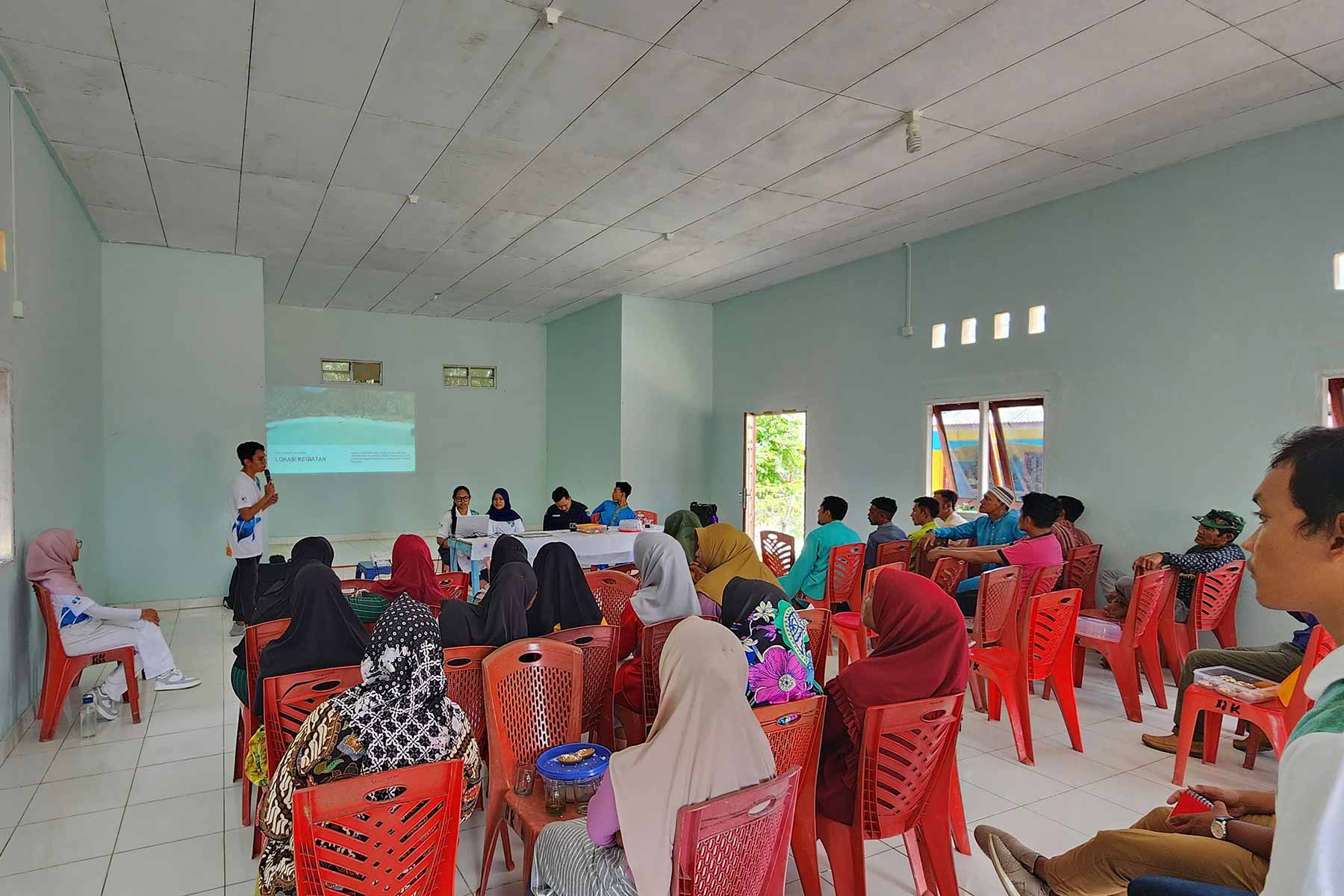
Our socialization efforts span three villages around West Jemaja, engaging with local government, community groups, and fishermen.
Progress and Surprises
We report that our sea turtle conservation project has achieved some significant milestones since April 2024. We have successfully rescued more than 60,000 turtle eggs and released more than 40,000 hatchlings, with numbers continuing to grow. In addition, we have tagged more than 60 turtles, with 10 of them returning to the same beach multiple times during the nesting season.
Conservation activities in Jemaja sub-district have successfully discouraged egg collectors and fostered a positive conservation mindset among communities. Interviews with 20% of local fishermen in Jemaja revealed an 80% decrease in the consumption, collection, and sale of turtle eggs, with some community members not consuming them for nearly a year. However, we identified individuals using secret methods to preserve turtle eggs for distant market sales, indicating a need for enhanced strategies to combat this illegal activity and protect our conservation initiatives. Our education efforts directly engage the community, including school visits to teach students about sea turtle importance. Community involvement in beach cleanups and monitoring activities promotes environmental stewardship. By expanding educational outreach and strengthening collaboration with government agencies and law enforcement, we aim to further support sea turtle conservation and raise environmental awareness in the community.
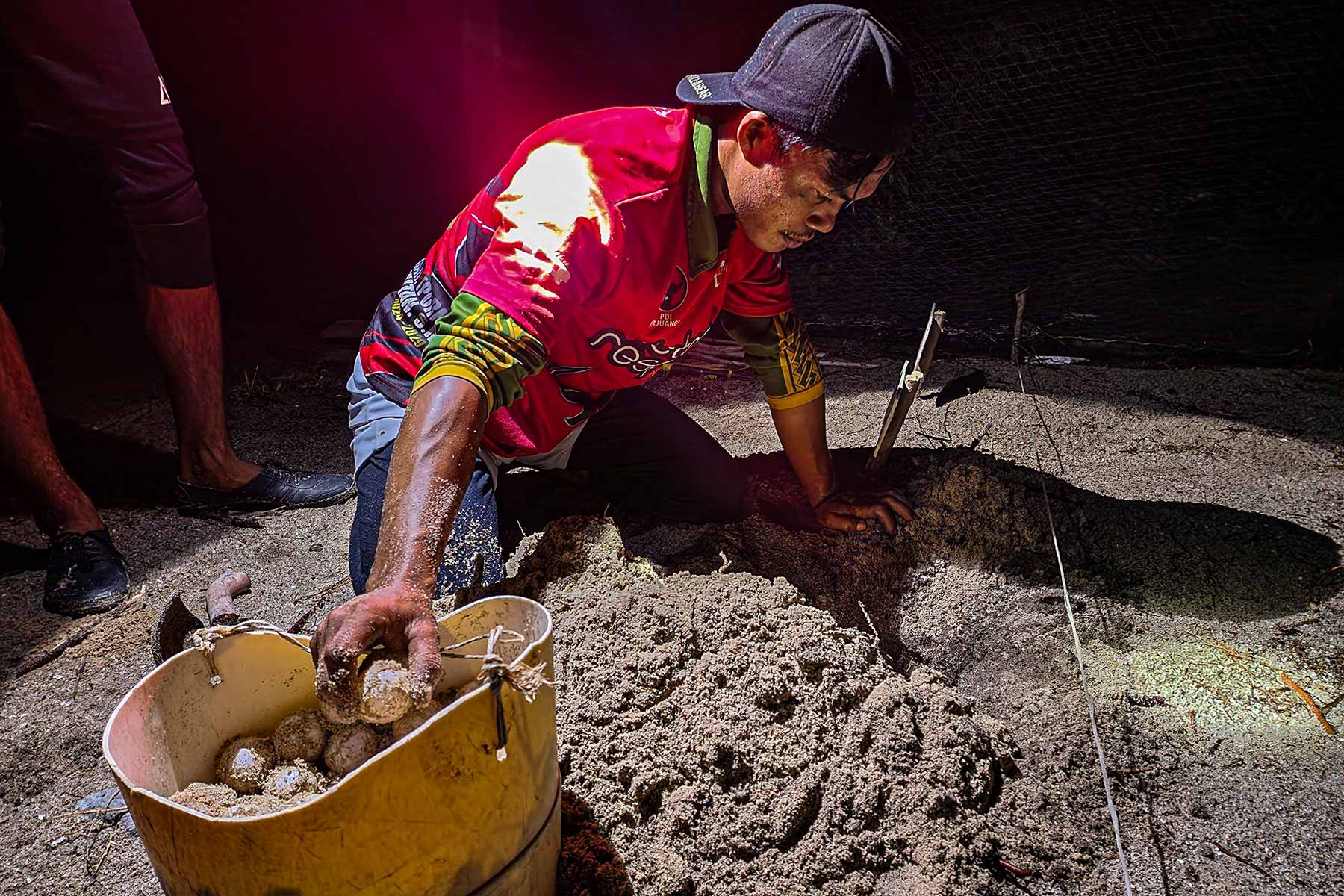
At 1:00 AM, turtle rangers collected eggs immediately after a turtle finished laying eggs.
Rangers tagged turtles with metal tags.
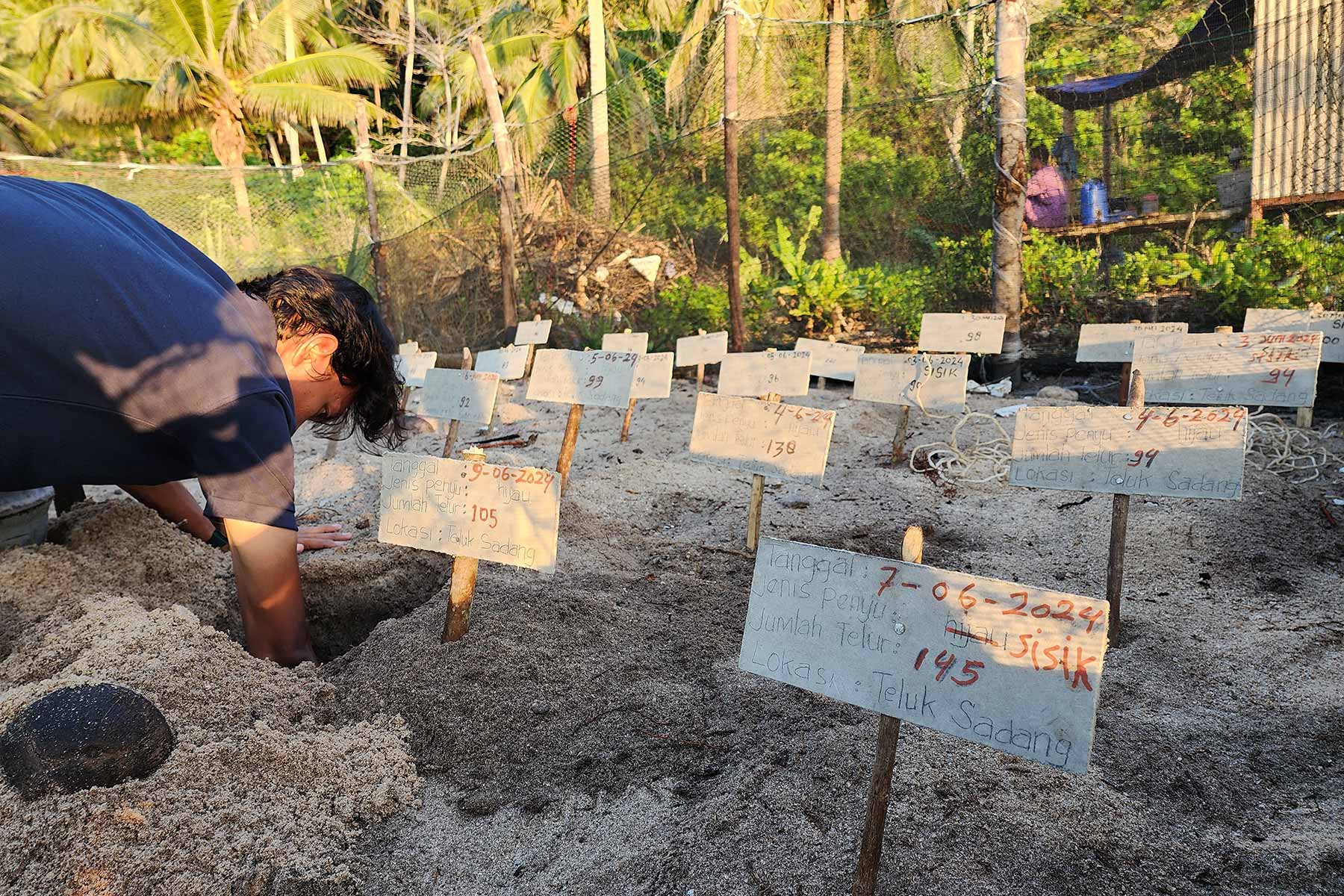
To date, we have successfully secured over 60,000 turtle eggs from three different nesting beaches.

Navigating Challenges in Turtle Conservation: A Community-Centric Approach
We have initiated various conservation efforts, including conflict reduction, education, and community development, which have improved understanding and attitudes towards our objectives. However, a small group of irresponsible turtle collectors continues to harvest eggs outside our operational area in the Anambas Islands for quick income, indicating that awareness does not always lead to behavior change. Our experiences emphasize the importance of patience and empathy when addressing sensitive topics like turtle protection. Building trust is essential as we engage with local customs. Our experiences have shaped future strategies, emphasizing collaboration with government and community participation. Additionally, our conservation initiatives, particularly in sustainable tourism, face challenges due to language barriers faced by our rangers when communicating with international visitors.
Relocating turtle eggs to safer locations to protect against predators and environmental changes.
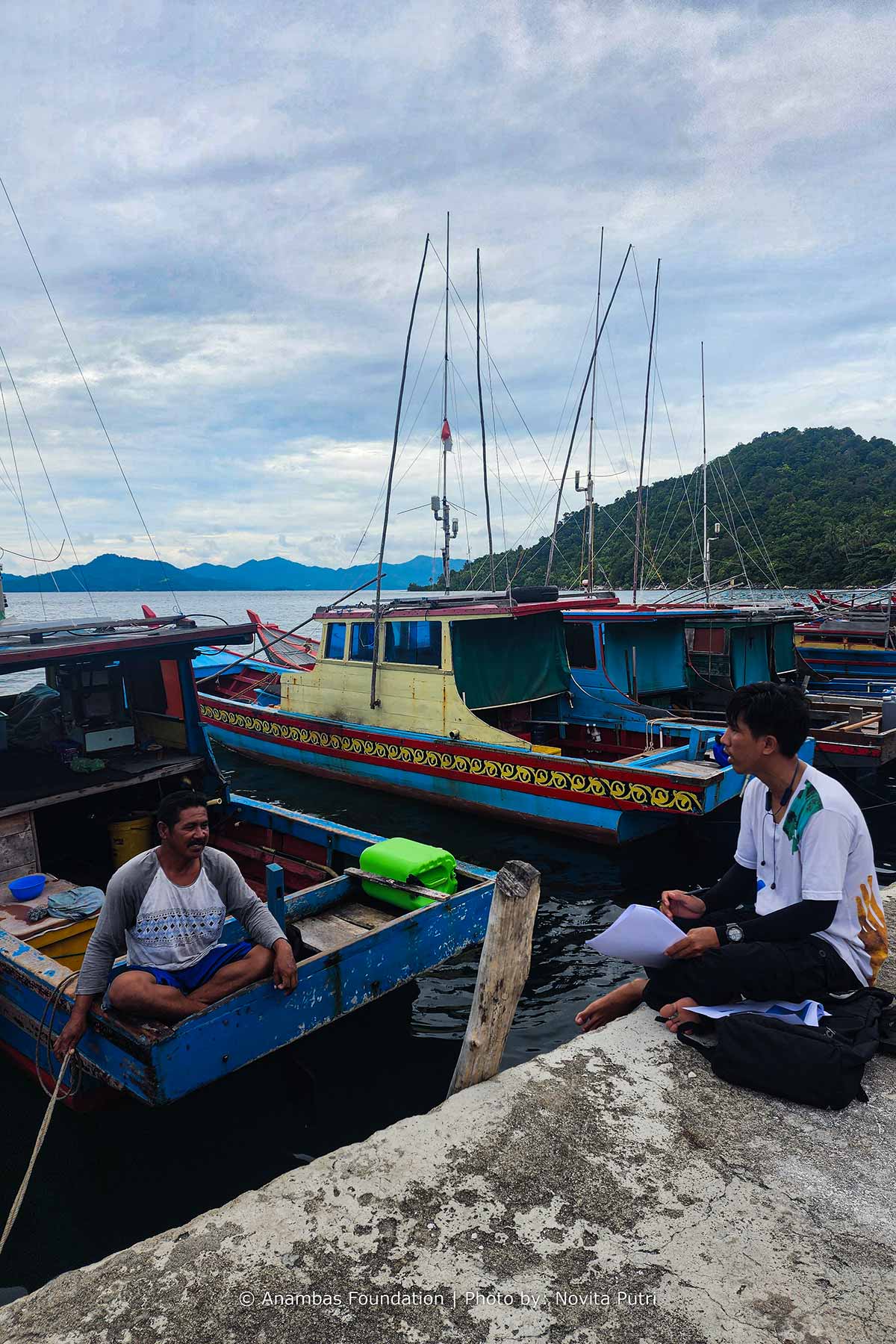
To enhance our understanding of turtle conservation in Jemaja, we conducted interviews with fishermen and egg collectors.
Future steps
We are dedicated to evaluating and enhancing our current programs to boost community involvement in turtle conservation. This year, we will offer training sessions in English and computer skills to further support sustainable conservation efforts. Targeted interventions are essential to address the unique motivations and circumstances of individuals involved in turtle egg collection. We plan to develop programs that offer financial or material incentives for those who abstain from this practice, which may include eco-tourism projects, sustainable fishing methods, or alternative livelihoods. Additionally, we aim to attract academic research on turtles, ultimately establishing a Turtle Research Center in Anambas by 2029.
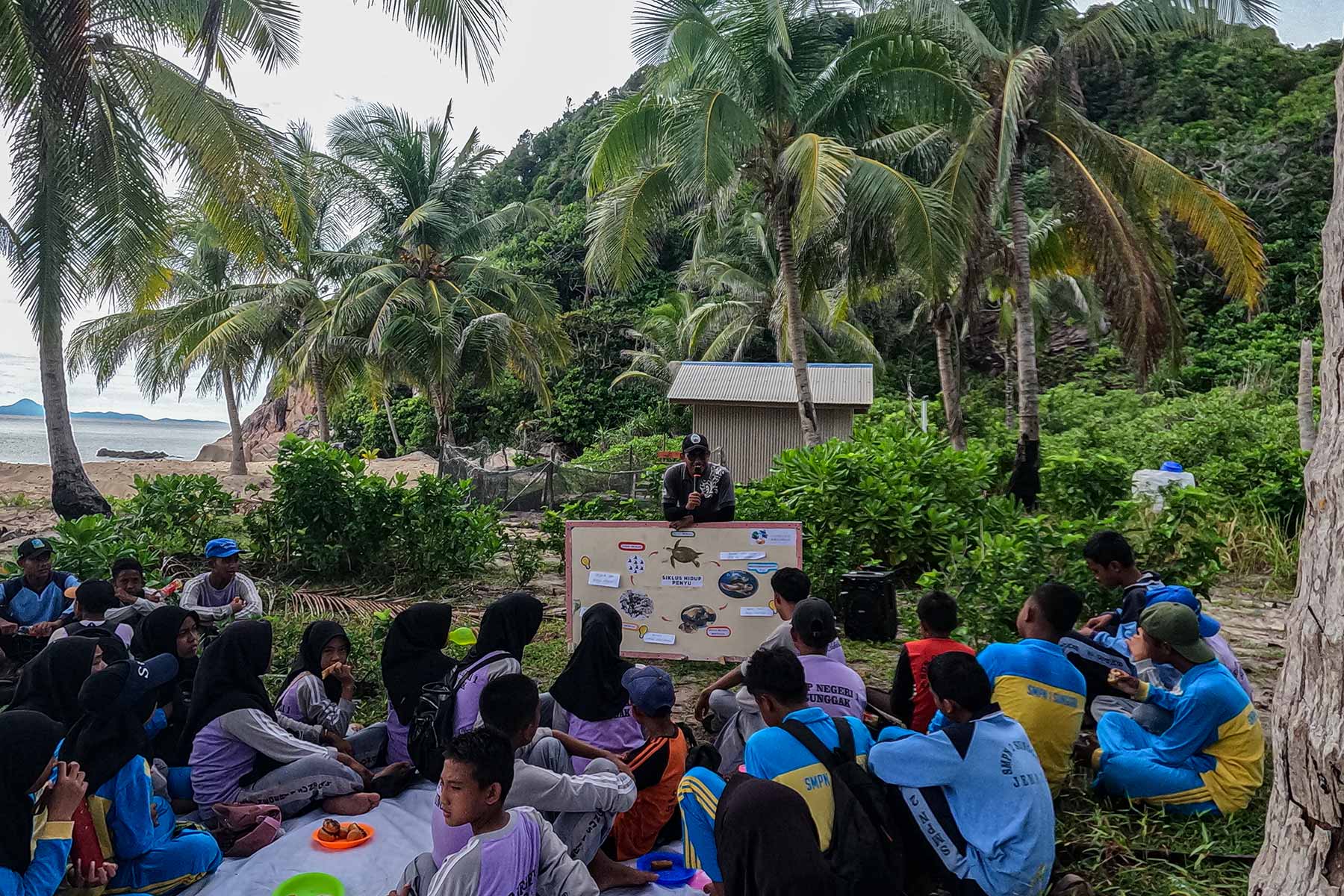
As part of our outreach program, we organized a field trip for students in Jemaja, allowing them to experience and learn about our initiatives on the nesting beach.
A turtle monitoring and tagging workshop was conducted in collaboration with LKKPN Peknabaru (Ministry of Marine Affairs and Fisheries).
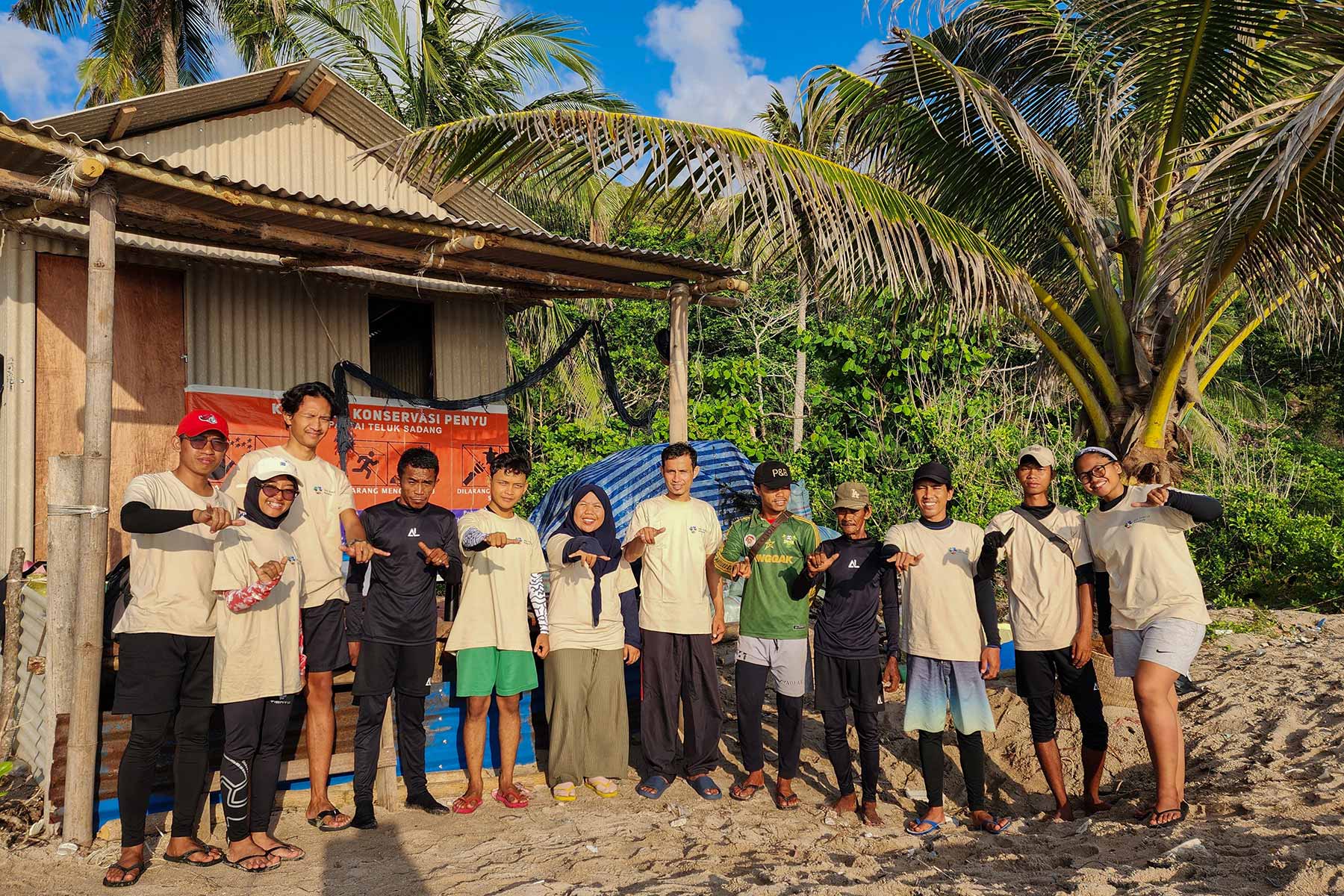
As we embark on our journey in Teluk Dalam, we recognize that this is merely the start of our path. We would like to extend our heartfelt thanks to Conservation Nation for helping us secure a brighter future for sea turtles while also improving the lives of local residents. With the continued support of the community, we have the ability to create a significant impact in safeguarding our natural heritage for generations to come.