
Our Work
Restoring Central America’s Frog Population
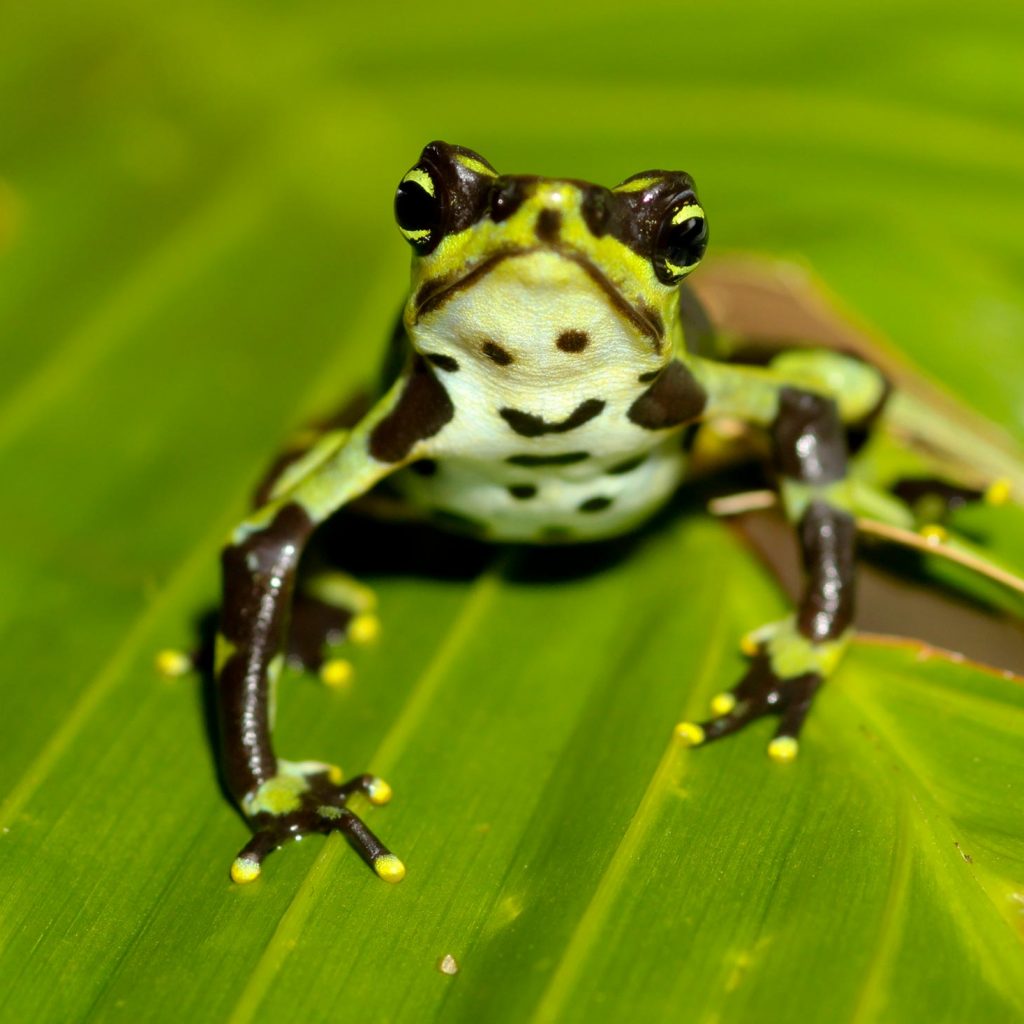
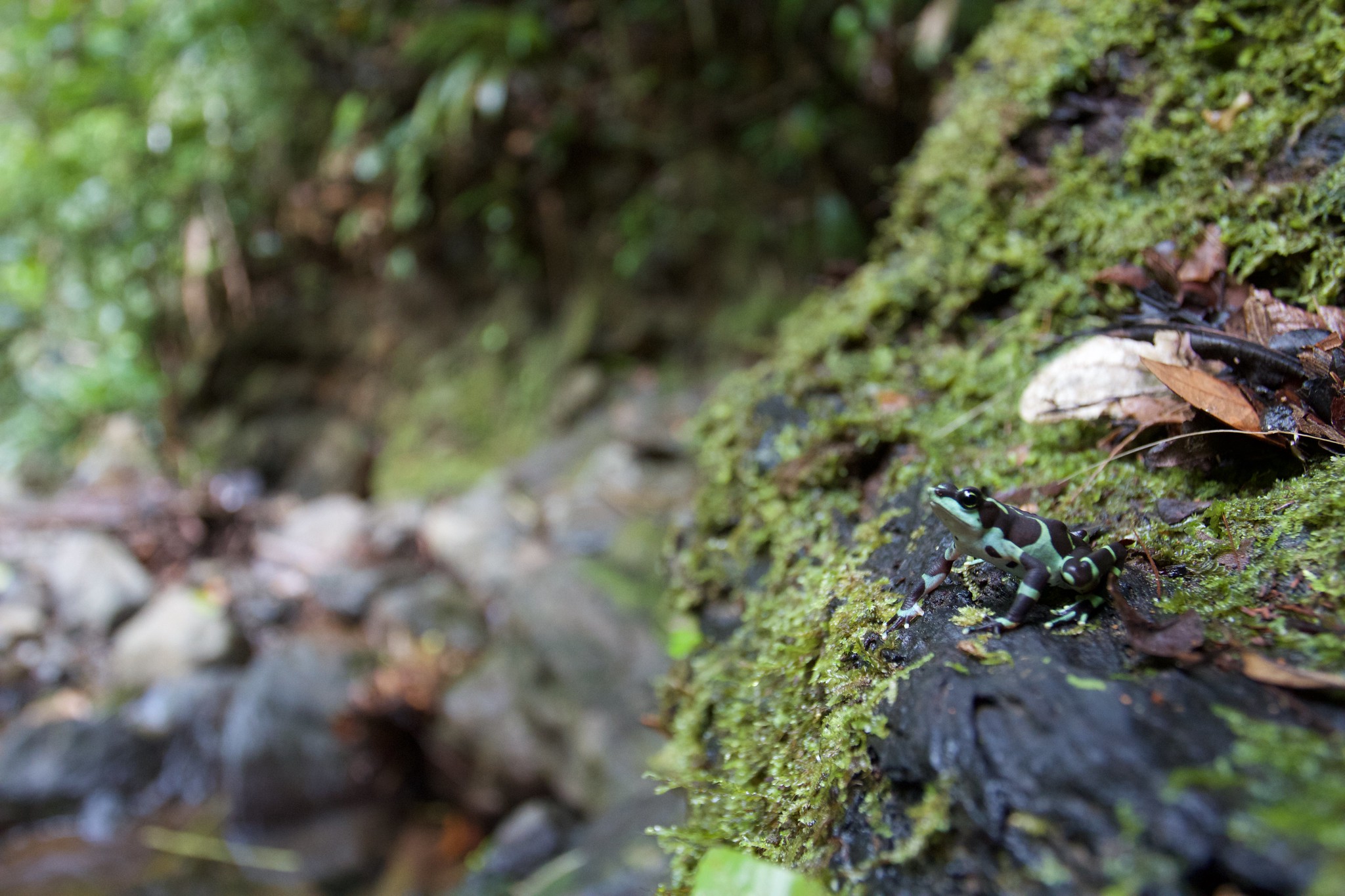
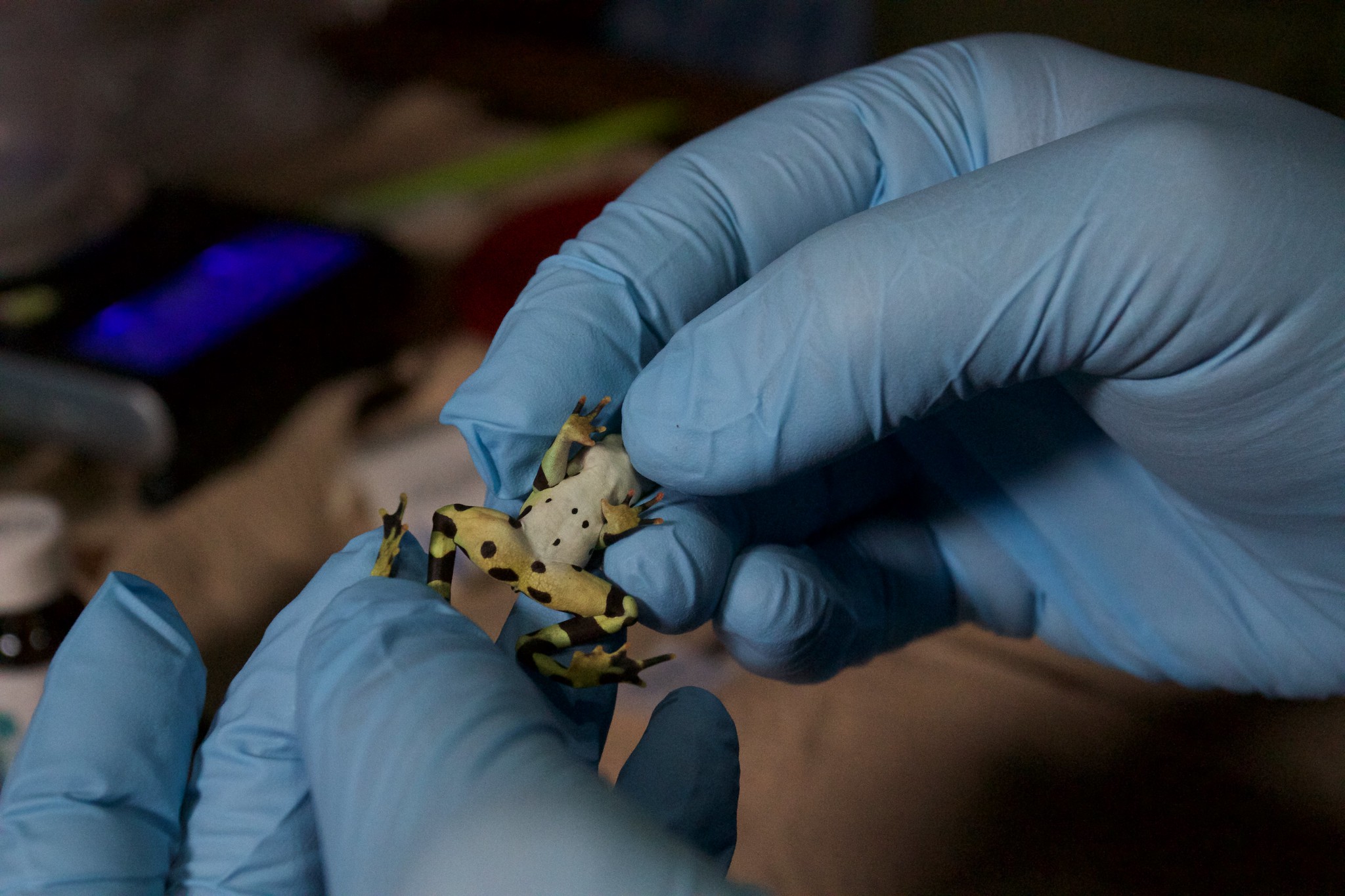
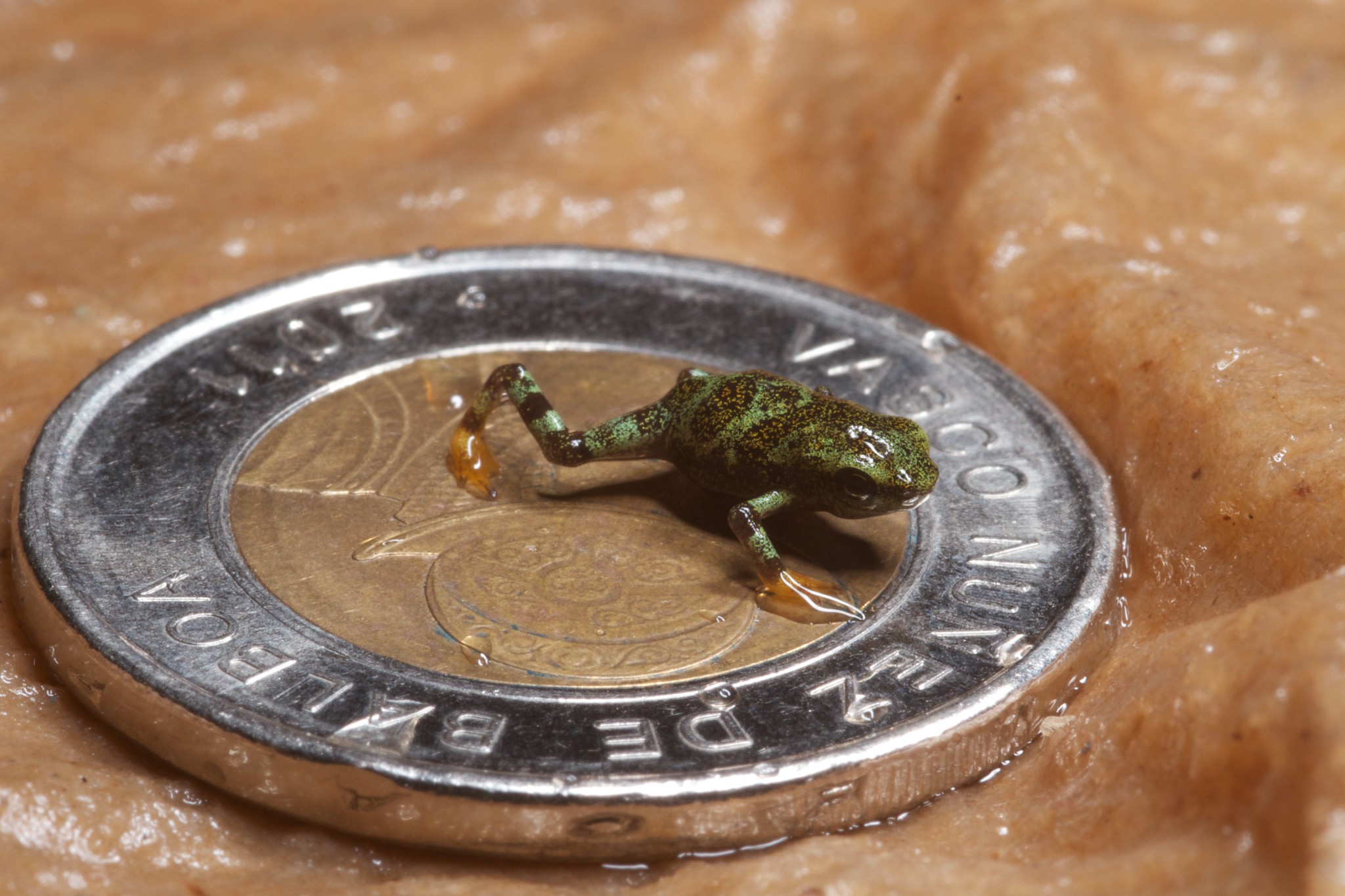
Central America’s Harlequin frog population was pushed to the brink of extinction by the amphibian chytrid fungus disease. There is hope after the “soft release” of 400 frogs back into the wild, but the work to restore this vulnerable population isn’t done.
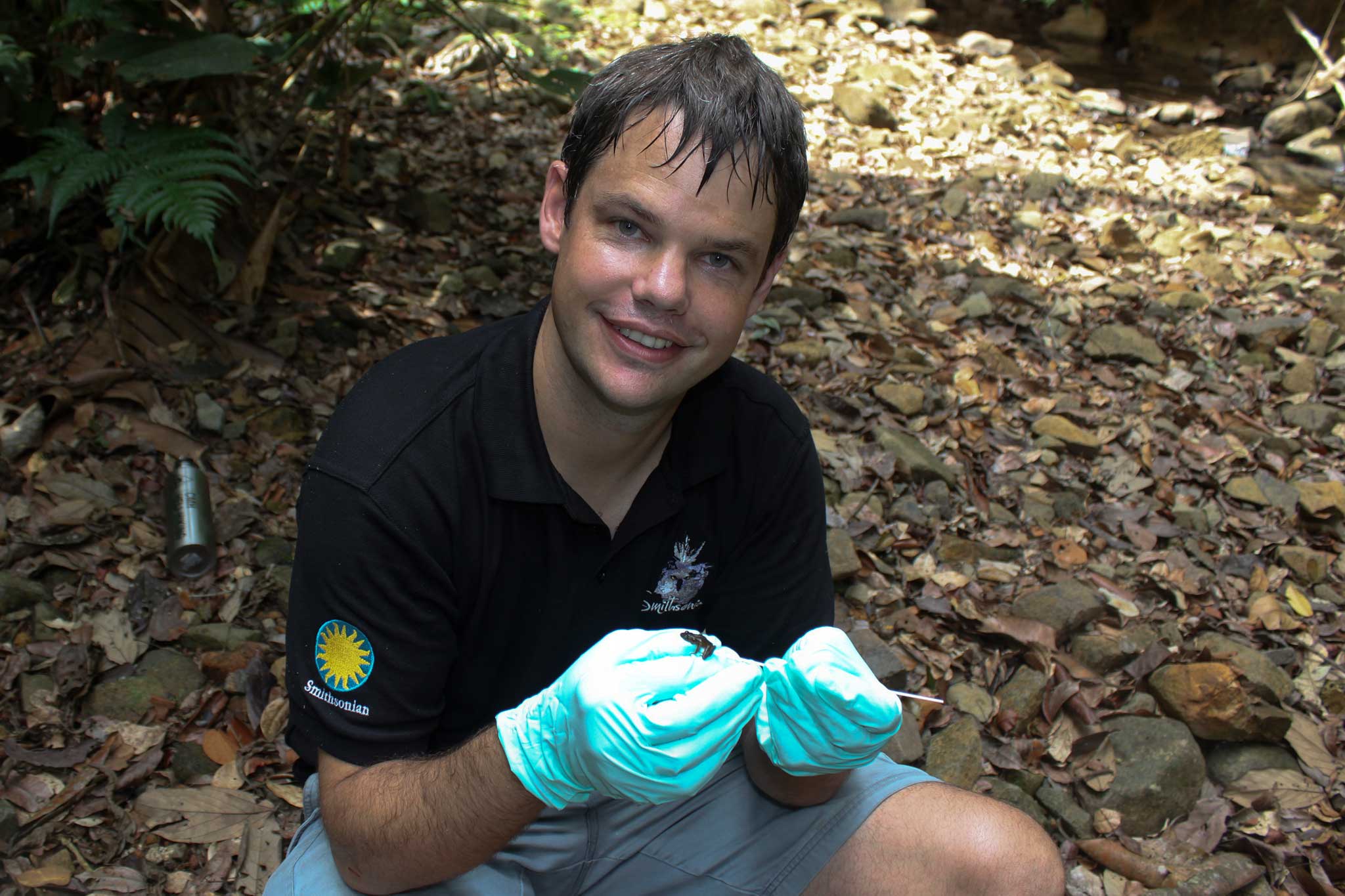
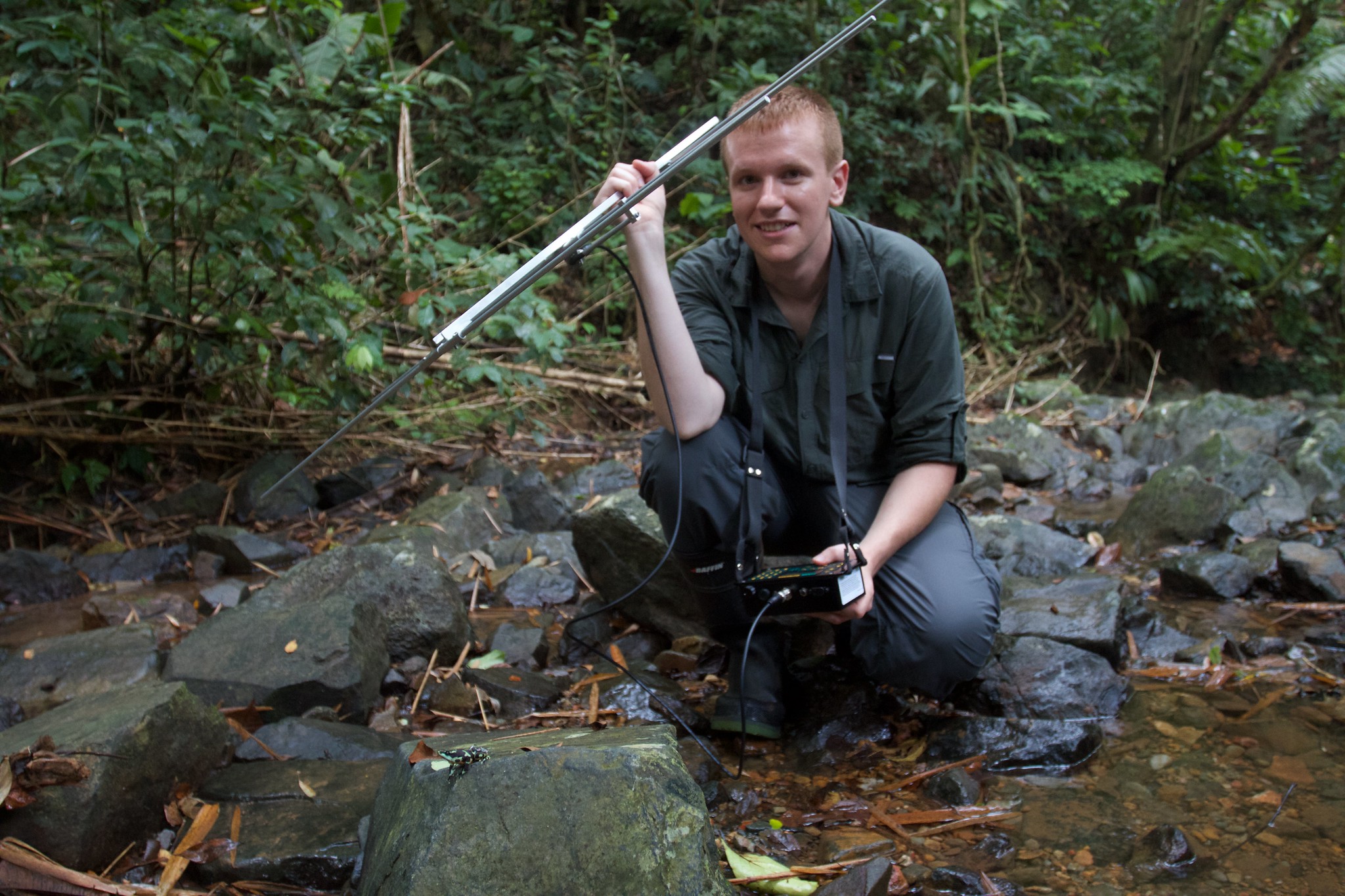
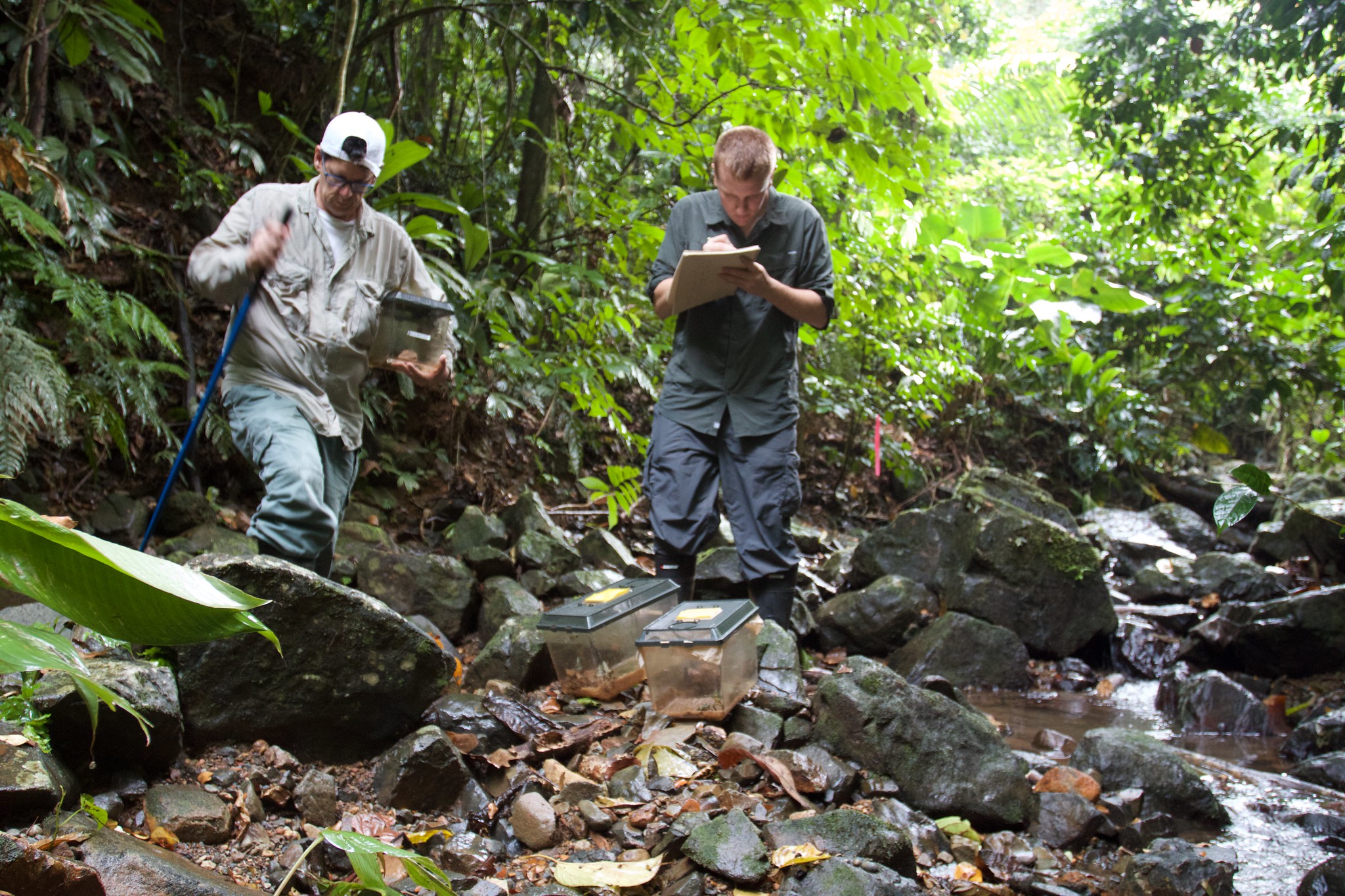
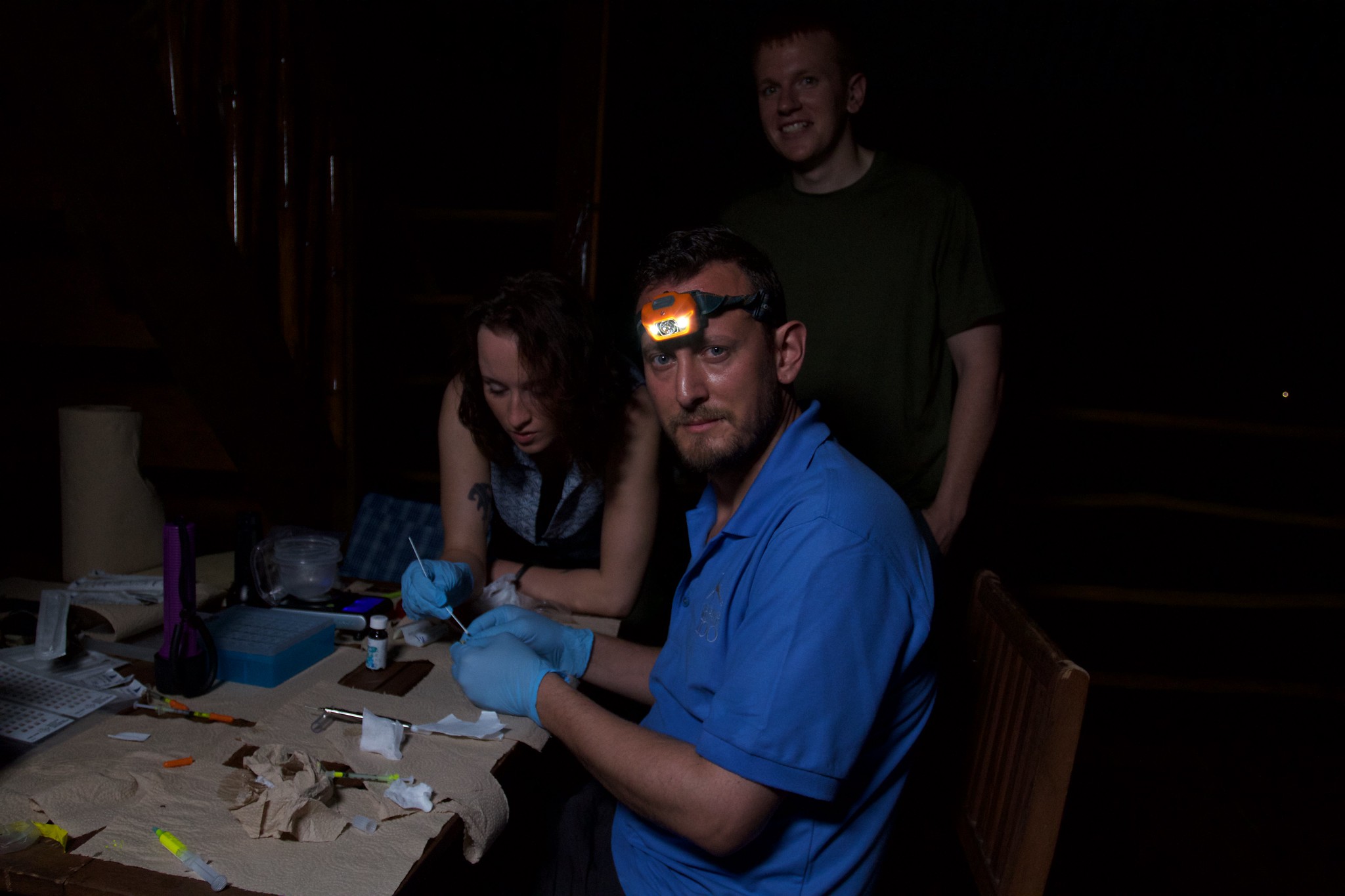
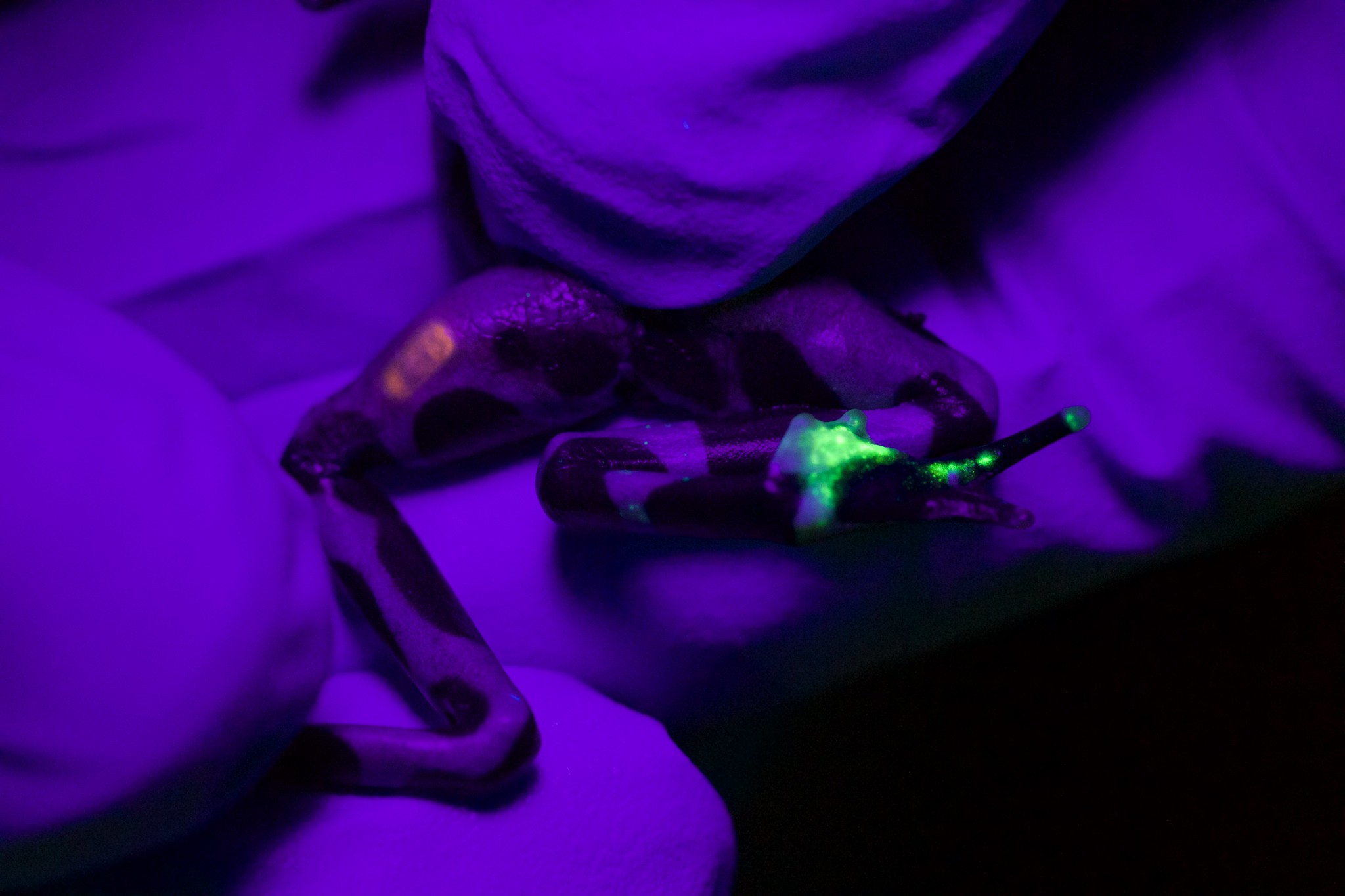
With the help of Conservation Nation funds, scientists working with the Amphibian Rescue and Conservation Project continue to conduct experimental releases of captive-bred Harlequin frogs in Panama. Even more exciting is that a subset of these frogs are wearing radio trackers, so that scientists can estimate migration, habitat, and non-disease-related death.
This data is supporting the long-term effort to fully restore Harlequin frog populations.
Previous
Next