Jennifer Yu
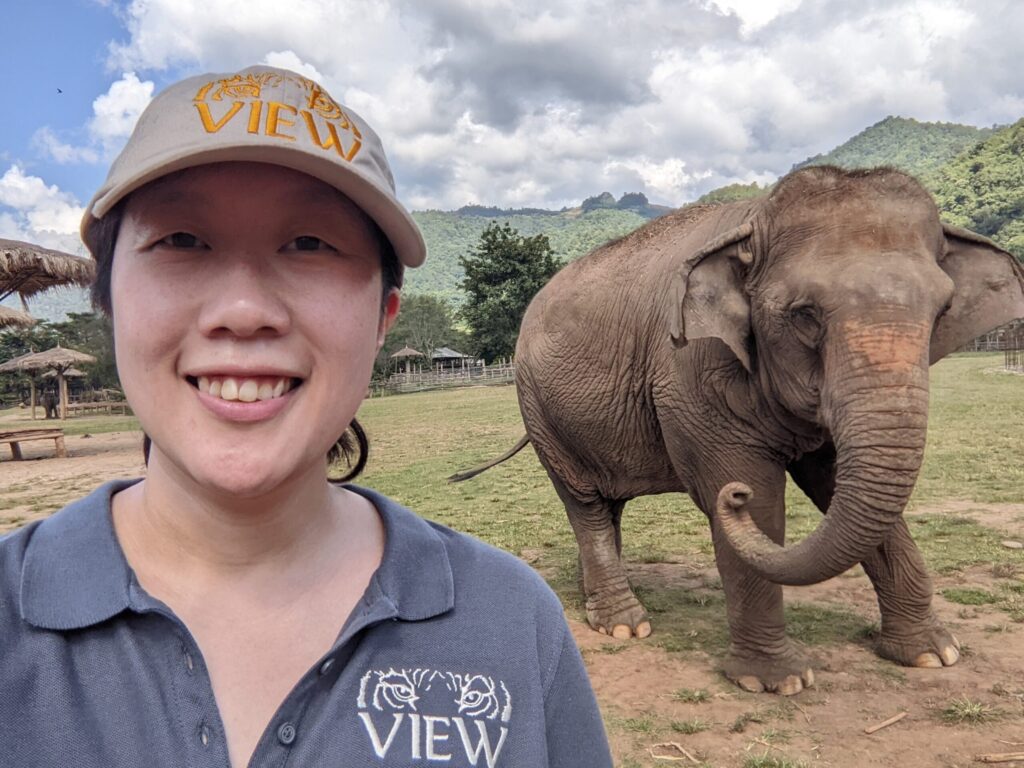
Dr. Jennifer Yu is one of Conservation Nation’s 2025 Conservationist Grant recipients. Her interest in wildlife conservation was first sparked by volunteering at a local zoo in high school and reinforced by working in a fish physiology research laboratory, in wildlife rehabilitation, and by conducting raptor nesting surveys as an undergraduate student. After obtaining her veterinary and master’s degrees, she gained clinical experience in wildlife rehabilitation medicine, and research experience through an internship with the Global Health Program at Smithsonian’s National Zoo and Conservation Biology Institute. This has led to opportunities to participate in international conservation and One Health projects like a baboon field project in Kenya, pangolin veterinary research in Vietnam, and a livestock infectious disease surveillance in Chad to identify potential risks to sympatric antelope.
Now, as a PhD student in Epidemiology at UC Davis, she is combining her clinical veterinary training and wildlife research interests to use population-scale approaches for the broadest impact on wildlife health and conservation.
Project Overview
Jennifer’s project will focus on Elephant Endotheliotropic Herpesvirus Hemorrhagic Disease (EEHV-HD), the largest cause of death in young Asian elephants in western zoos. Through a longitudinal study in elephant camps across Myanmar, she will characterize the timing and pattern of waning maternal antibodies and EEHV seroconversion in calves, providing critical insights into disease risk and prevention. Through her program, she is building laboratory proficiency and skills in study design, data analysis and statistics, and international collaborative partnership-building.