Celebrating Black Excellence in Conservation with Anacostia Teens
This summer, Conservation Nation was honored to partner with the Department of Interior and the University of the District of Columbia’s Justice-40 Youth Internship Program to bring amazing nature experiences to 15 teens from Anacostia High School in Southeast, D.C.
Thanks to our partner, Caroline Brewer, and her inspiring Nature-Wise outdoor literacy program, these students reflected on environmental justice and explore many forms of literacy in relation to nature. Our work with Caroline represents our commitment to promote diversity, equity, and inclusion by elevating underrepresented voices and cultivate r relationships that invest in the conservation leaders of today and tomorrow.
Over five weeks, our students traveled hundreds of miles by bus and dozens of miles on foot. During the hottest summer on record in the D.C. region, they visited farms, fields, forests, parks, waterways, and neighborhoods, including their own. Yet the distance they traveled through the Nature-Wise-J40-Conservation Nation collaboration as thinkers, speakers, writers, creators, and members of a collective, is immeasurable. And it has only just begun. I’m inspired by their fortitude and grateful for the opportunity to work with our partners and bear witness to this magnificent blossoming.
— Caroline Brewer
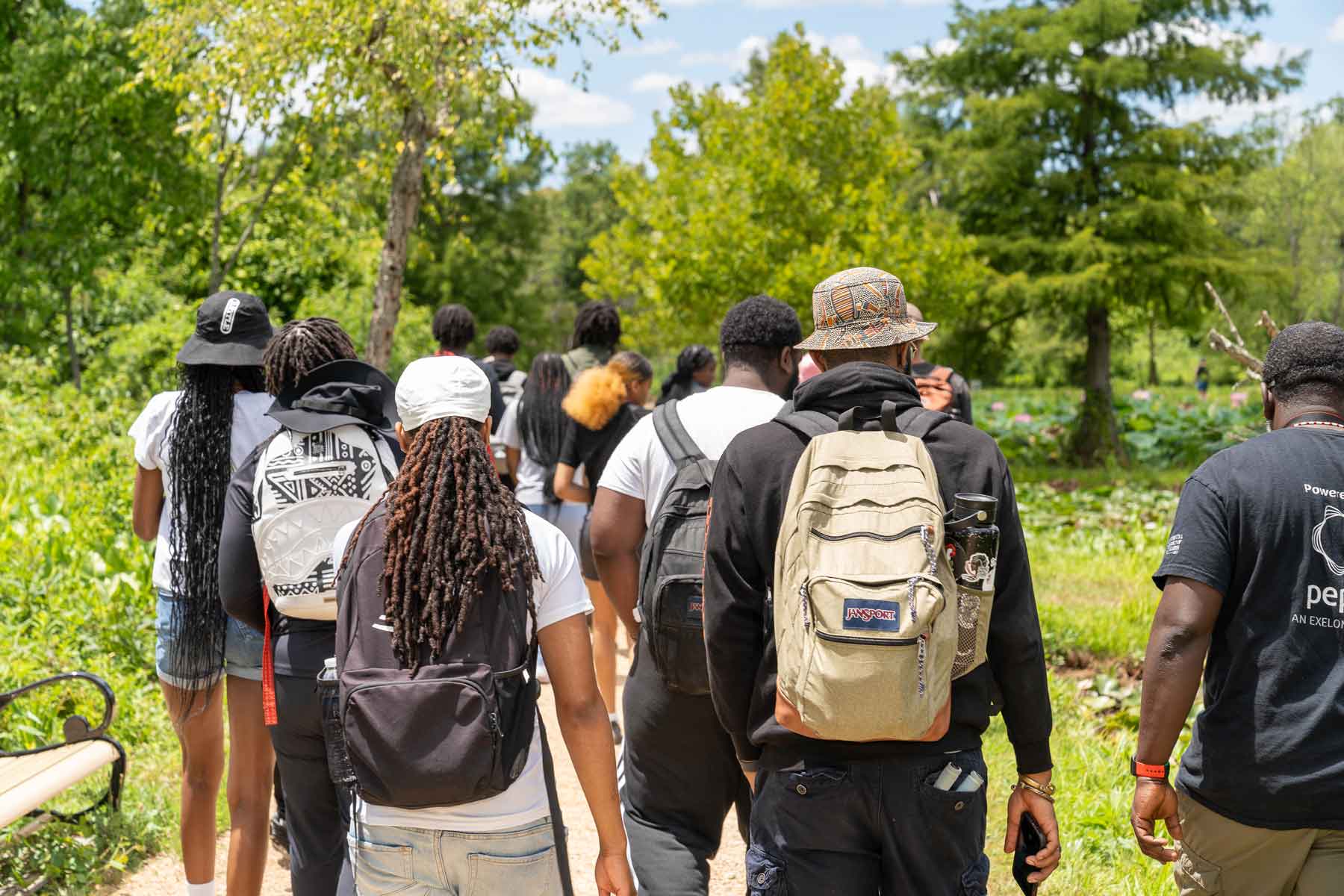
The goal of this year’s program was to expose students to environmental justice issues and to teach them ways to become responsible environmental stewards and citizens of change as they traveled to 15 different nature spaces in the region and spoke with more than a dozen environmental activists and advocates. They learned about the Black environmental history of this region, explored the Black present experience, and contemplated Black futures in the environment — with them at the center. Their reflections through poetry, prose, and rap will be featured in a new book we hope to debut in February 2025!
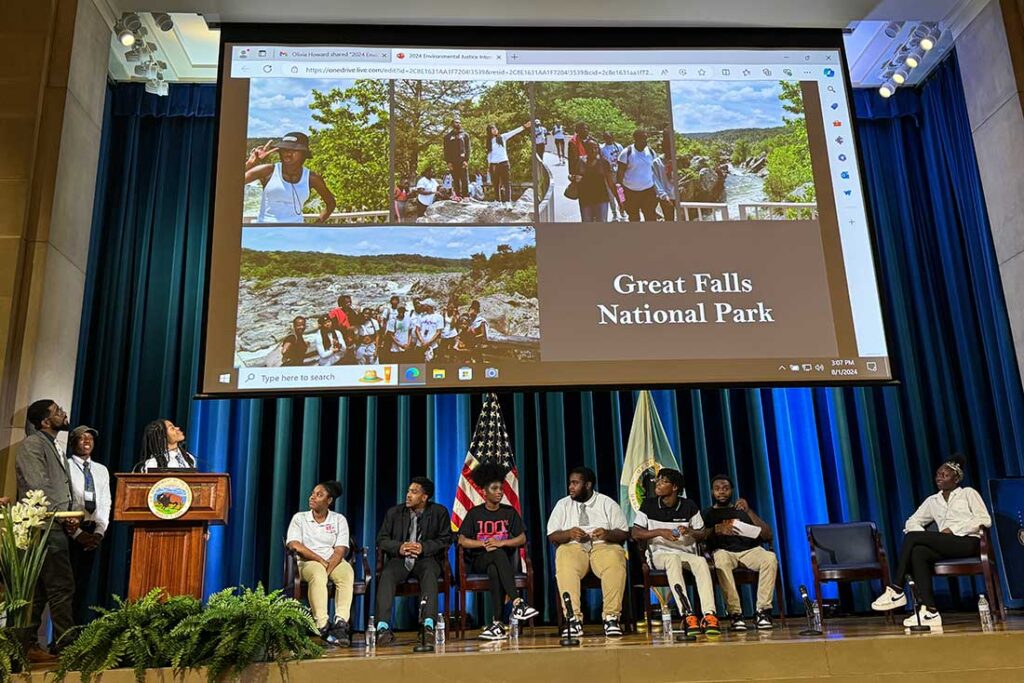
It was a joy to celebrate the culmination of the summer program as our students graced the stage in the U.S. Department of Interior’s Yates Auditorium on August 1 to present their thoughts and reflections on their experiences with the program. Conservation Nation is grateful to Xavier Brown for extending the invitation for us to contribute to this summer program in such meaningful ways, and to our partner Caroline for sharing her joy, passion, and positive energy with the students.
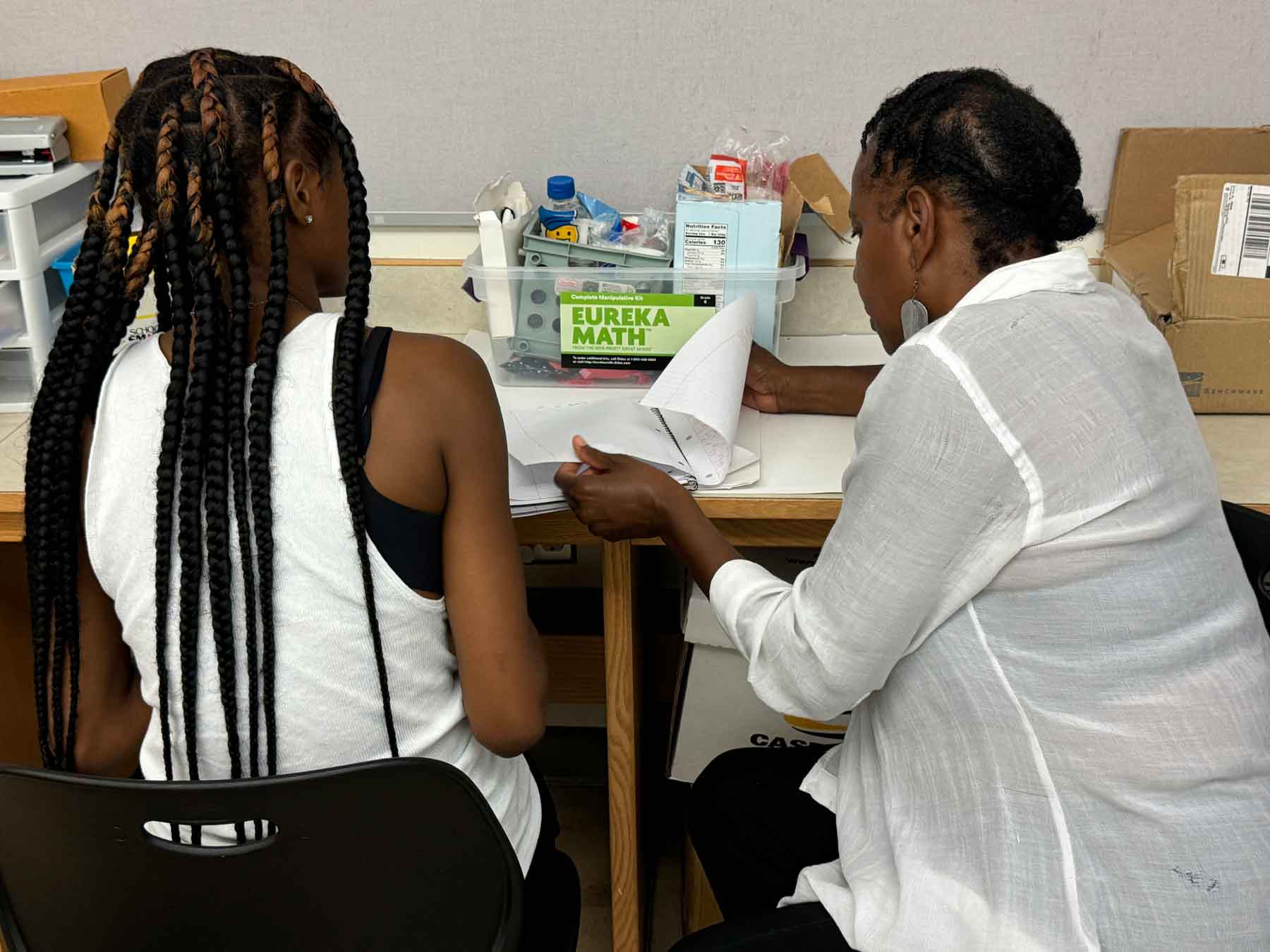
The writing experiences I had during these six weeks were very interesting. I learned how to produce different types of poems. Ms. Brewer was exceptionally helpful, talented, and thoughtful during these writing sessions.
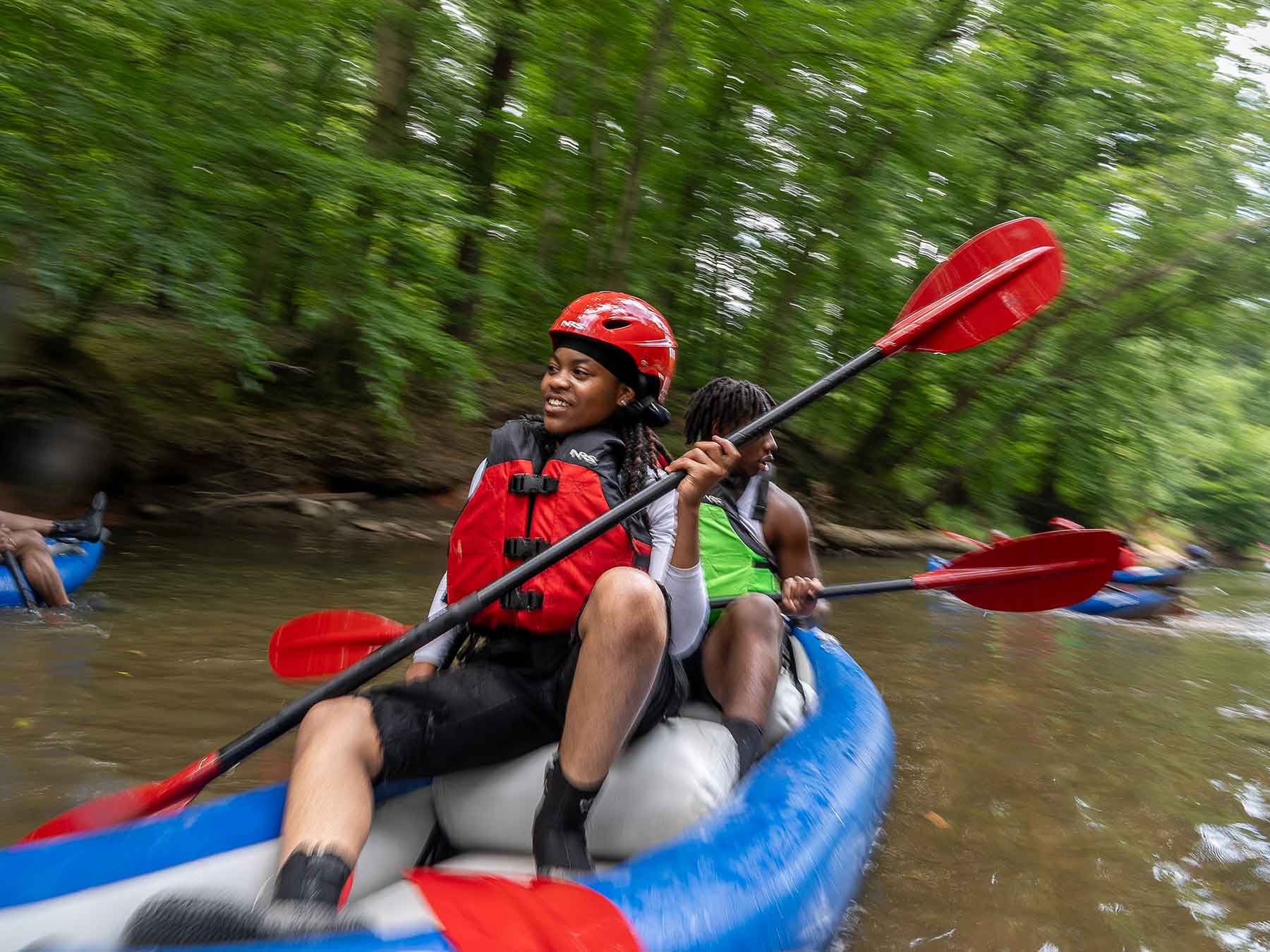
My favorite field trip was when we all went kayaking. This was my first time ever experiencing kayaking and doing it with my classmates. I enjoyed the movement of the boat as we paddled and steered. I will use this experience to teach my own kids how to face their fears.
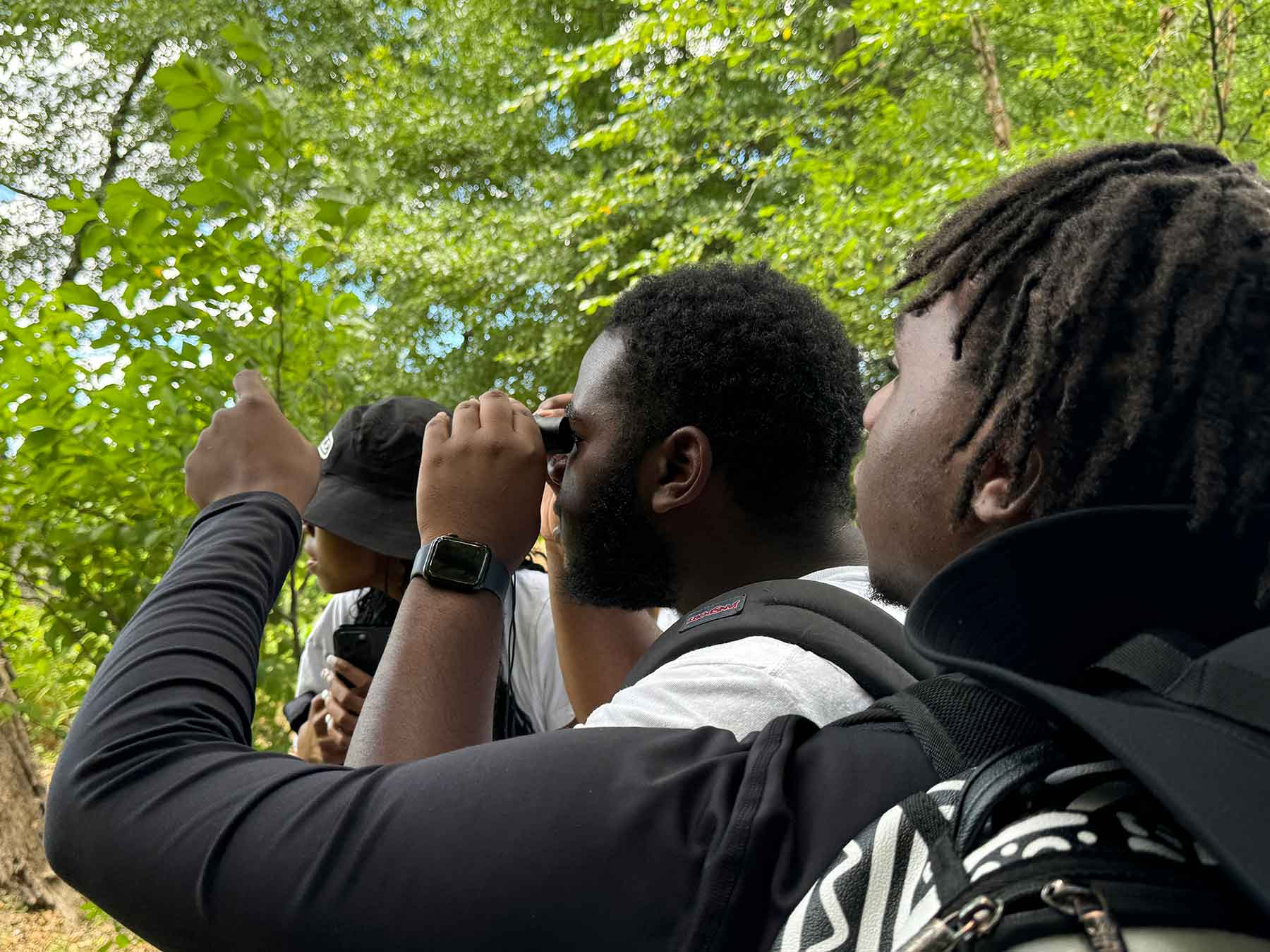
My favorite field trip was to Rock Creek Park because we got to split up into groups and explore different parts of the park on our own. My group went by the rocks and tried climbing them. Being in this program, I learned that you need to get out of your comfort zone because, if you don’t, you’re going to miss out on a lot of activities and learning opportunities.
Becoming Conservation Leaders
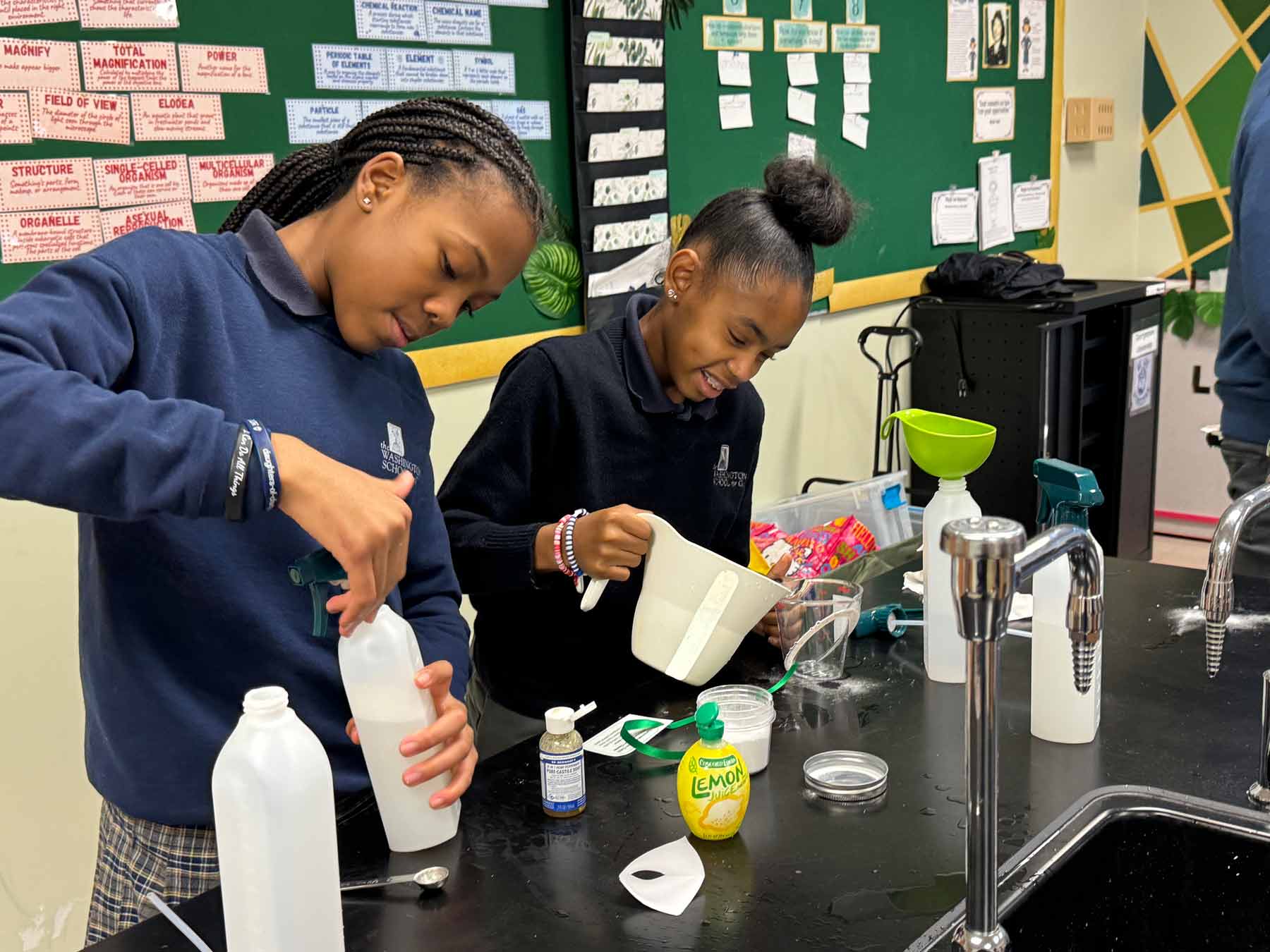
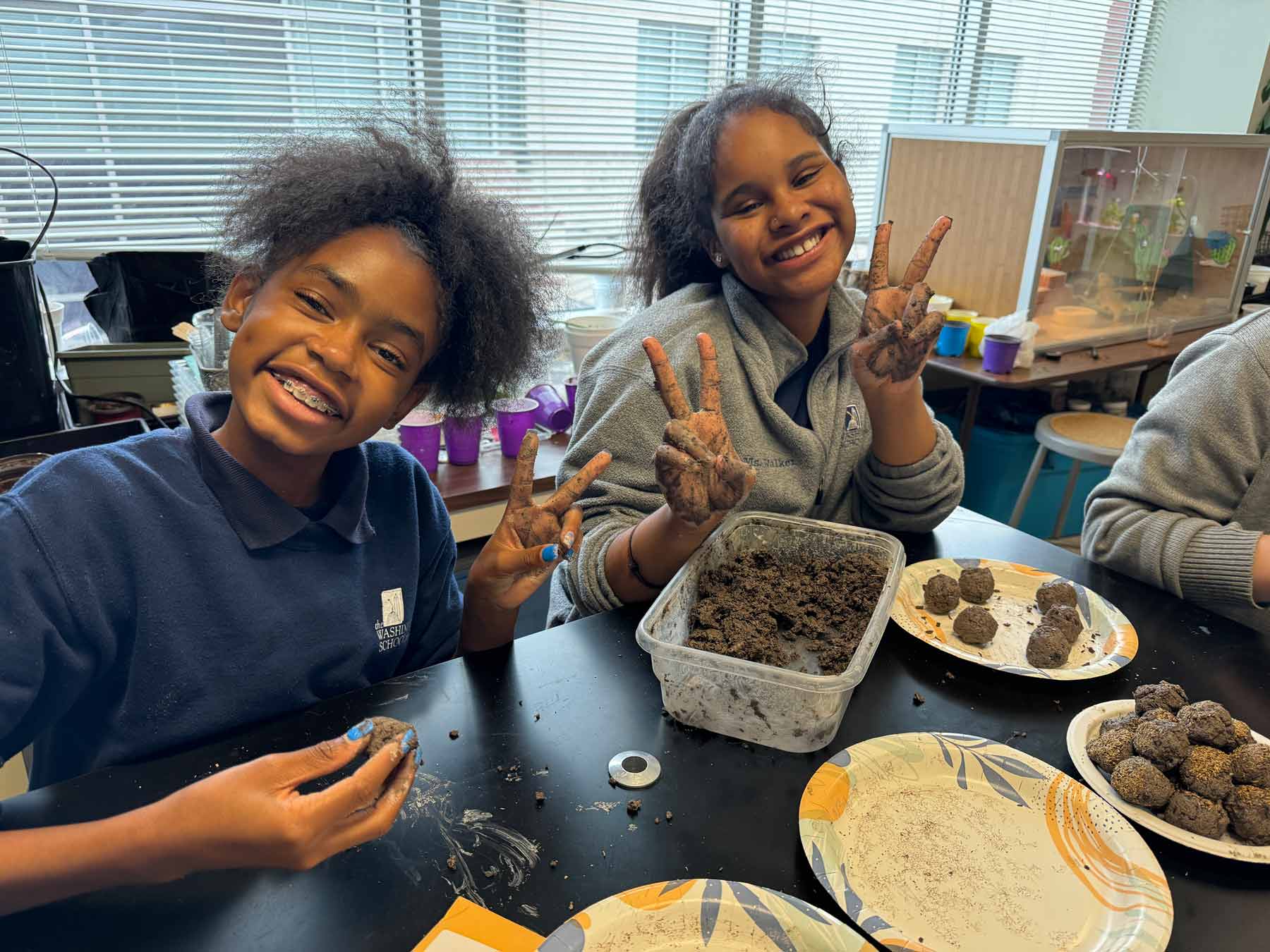
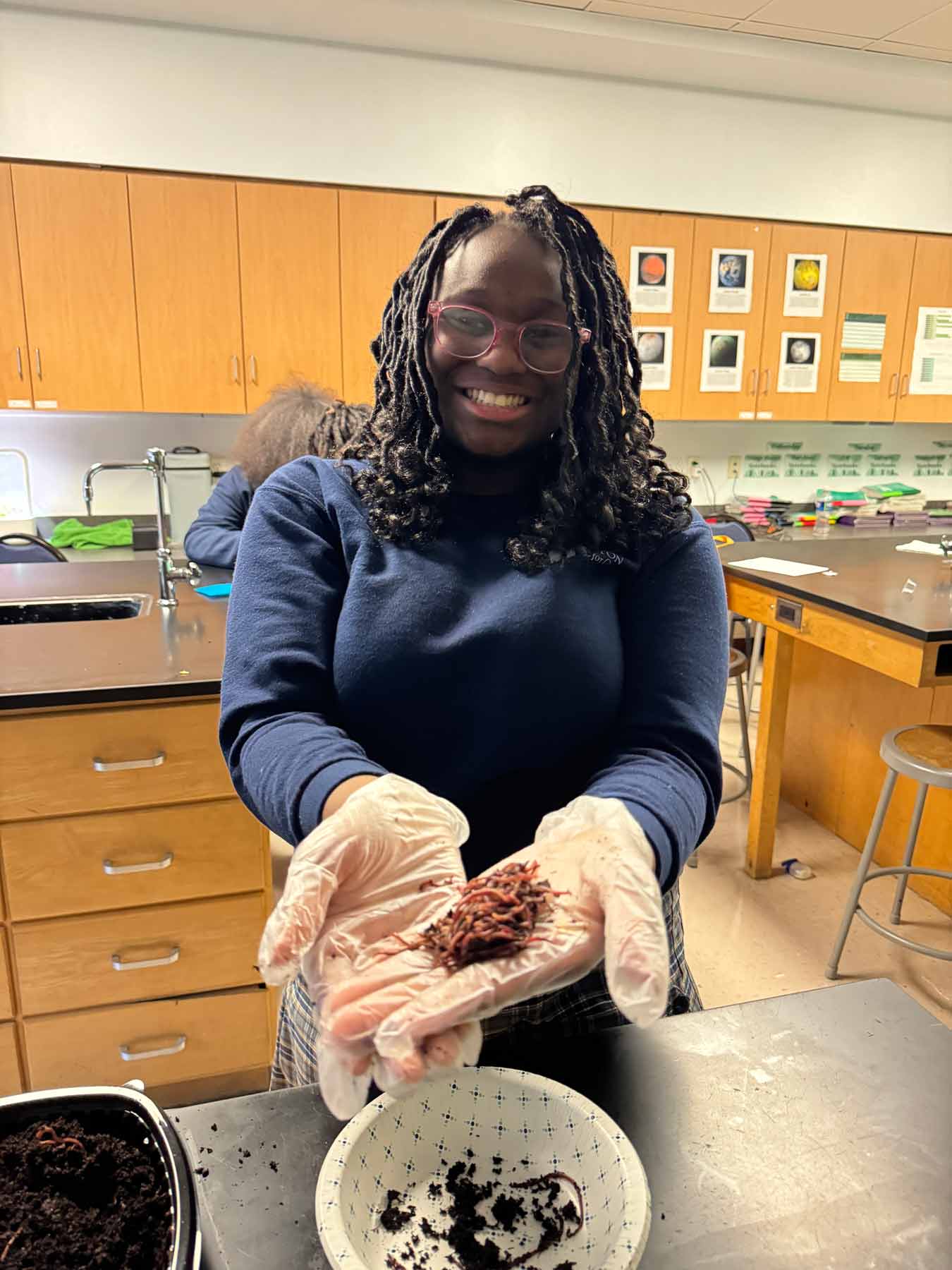
Hands-on activities are proven to increase learning ability and engagement with students, and our TLC program is designed to give them the opportunity to experience nature firsthand as they grow in confidence and become environmental champions.
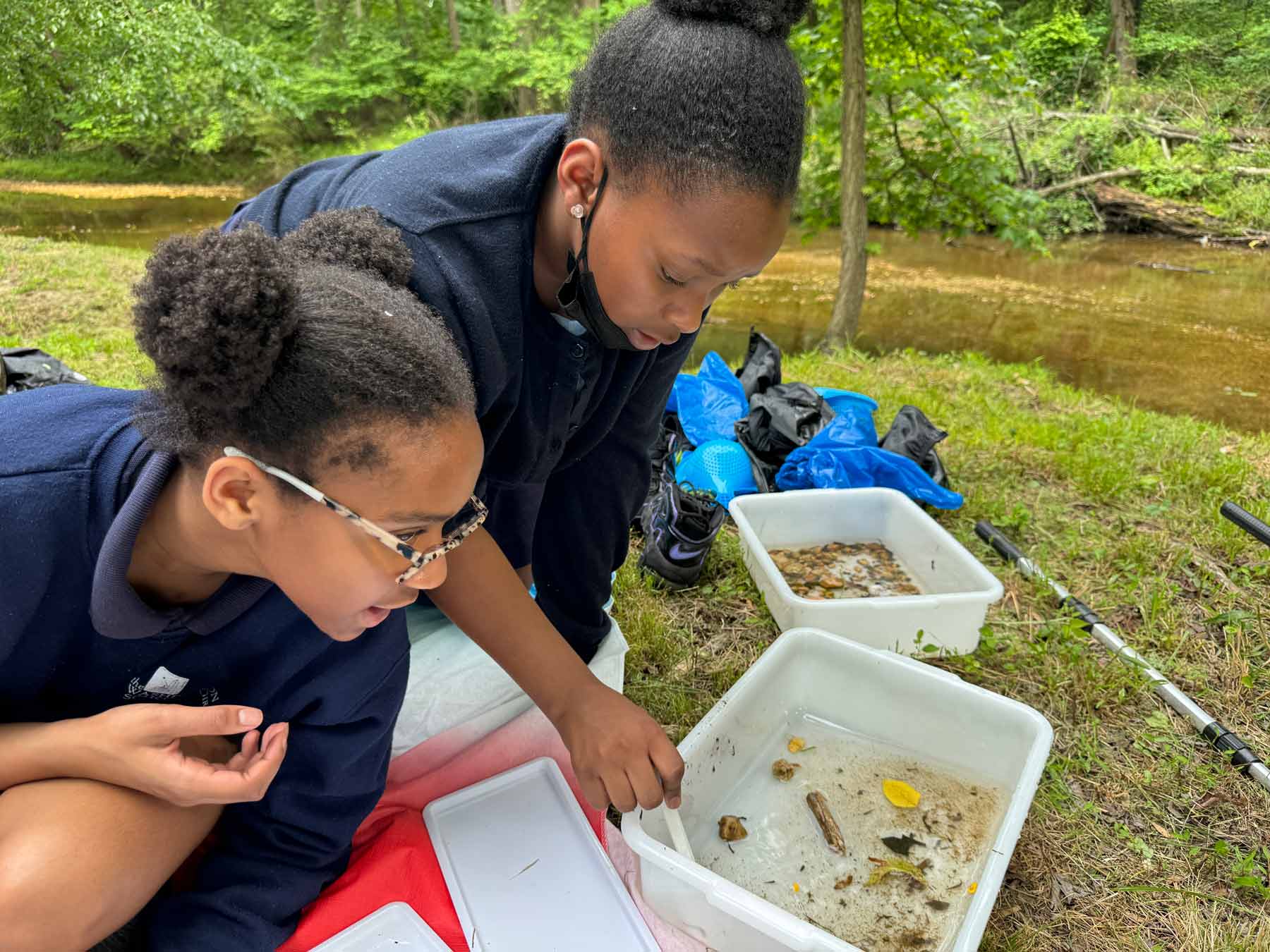
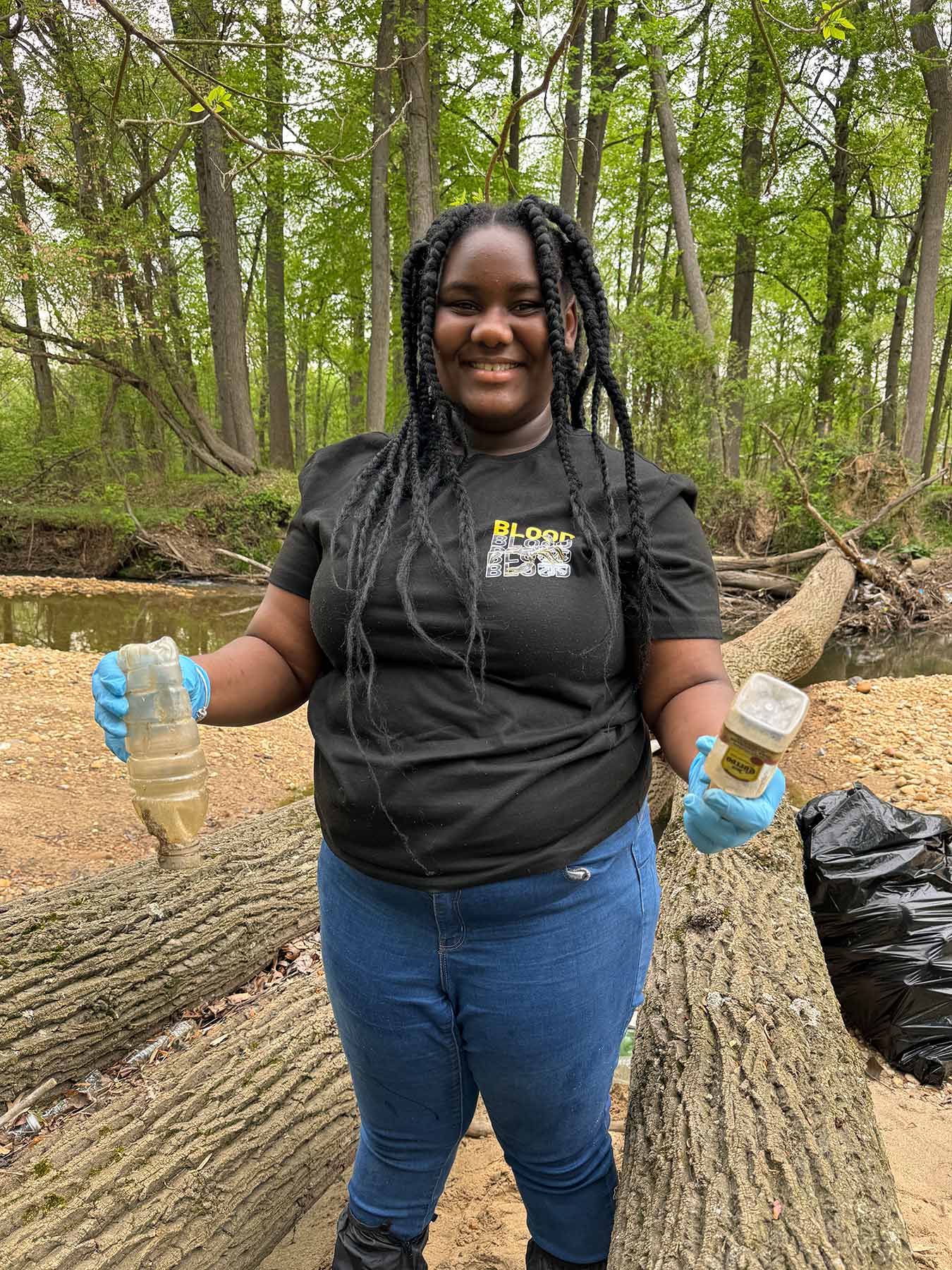
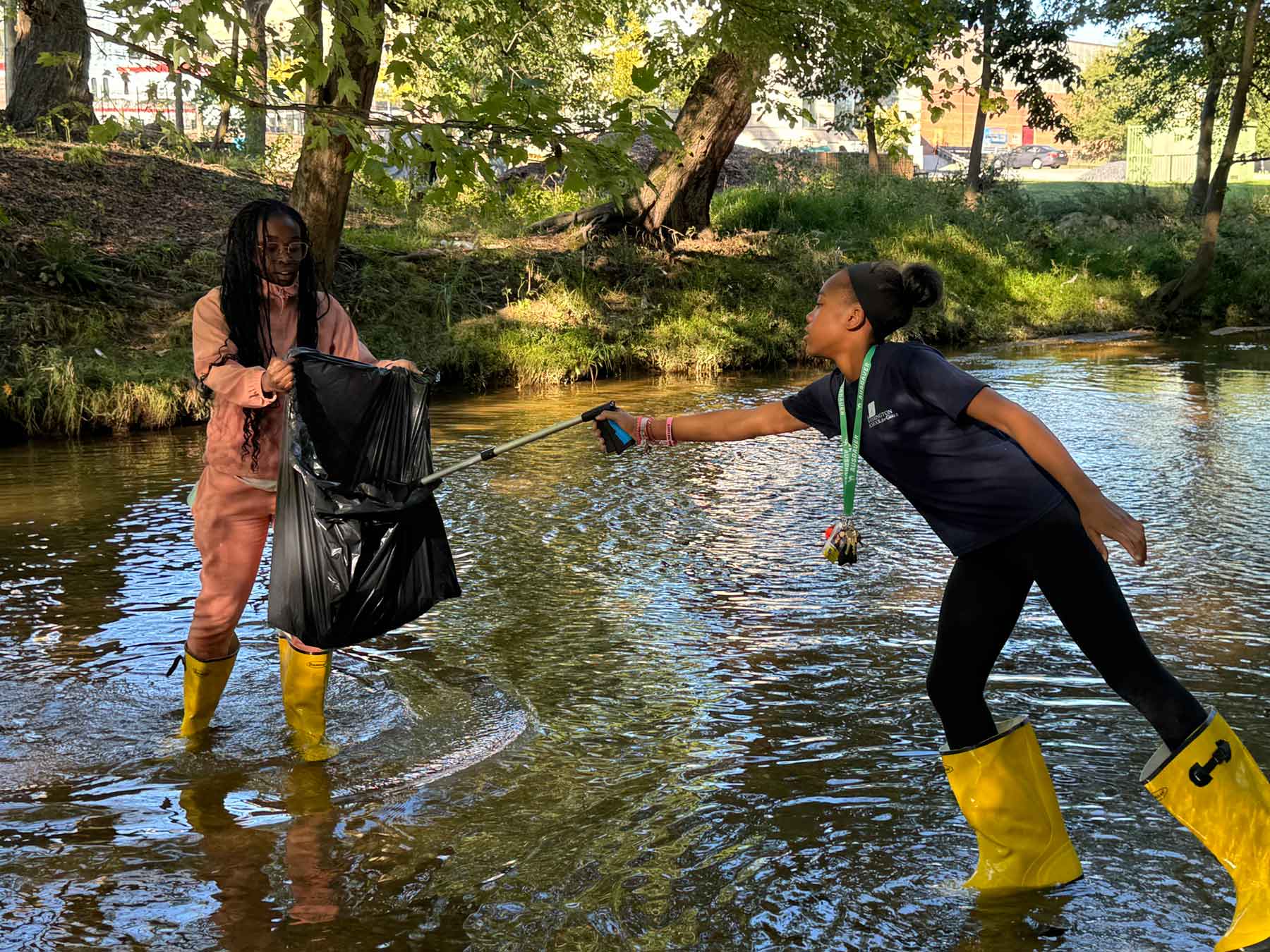
Throughout the school year, the girls’ favorite activity was always spending time learning about and caring for Oxon Run, the stream that flows next to their school. We spent as much time as possible outdoors, where they investigated water quality, cleaned the stream regularly, learned to identify birds, plants, and macroinvertebrates, and even measured air quality in the schoolyard.