Andrea Fuentes Arze
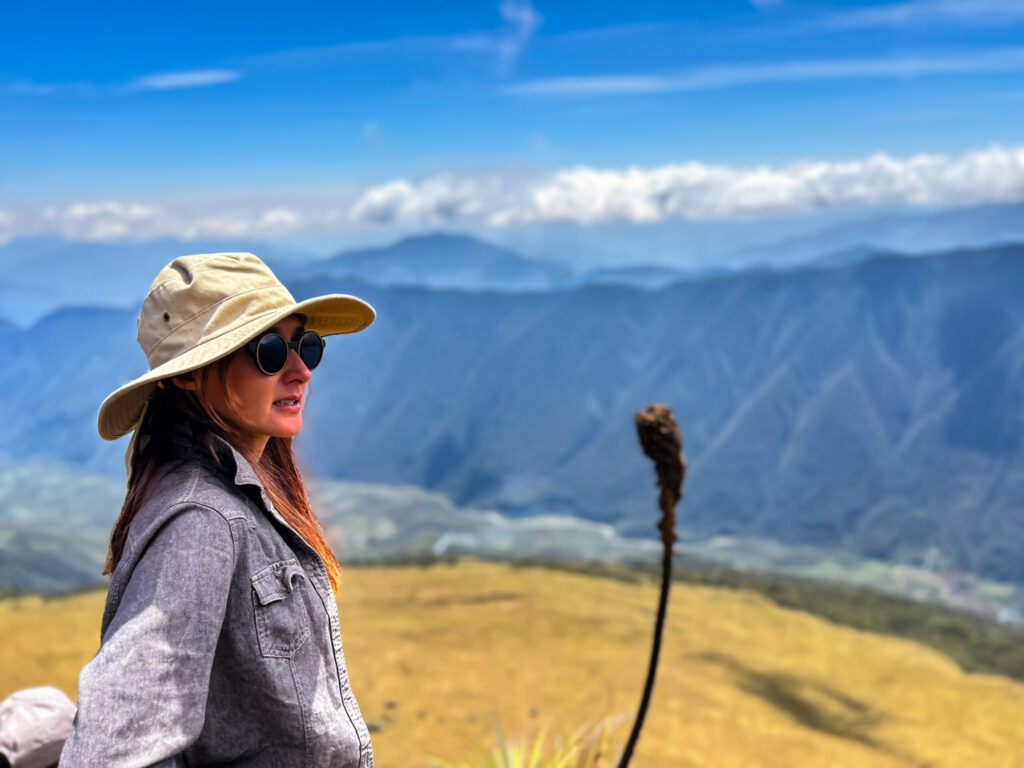
Andrea Fuentes, one of Conservation Nation’s 2025 Conservationist Grant recipients, is an environmental engineer, conservationist, and founder and coordinator of the Jucumari Program in Bolivia. Her work focuses on the conservation of the Andean bear through community-based approaches, ecological research, and creative storytelling to promote human-bear coexistence in rural areas.
For the past four years, Andrea has led the Jucumari Program’s conservation initiatives, including indirect sign detection and engaging in social deliberation processes with local communities. She has developed innovative outreach tools such as organizing a textile initiative with women and sharing important conservation messages through theater.
Andrea has successfully managed grants to advance research, education, and social collaboration that reduce conflict between Andean bears and local communities. Her advocacy efforts led to the first Andean Bear Heritage Declaration Law in the Municipality of Tiquipaya, achieved through a complete occupation monitoring report by the Jucumari Program. As a mentor, she has built and trained a multidisciplinary volunteer team grounded in inclusion and mutual respect, strengthening relationships with local populations and fostering trust that extends beyond project boundaries.
Project Overview
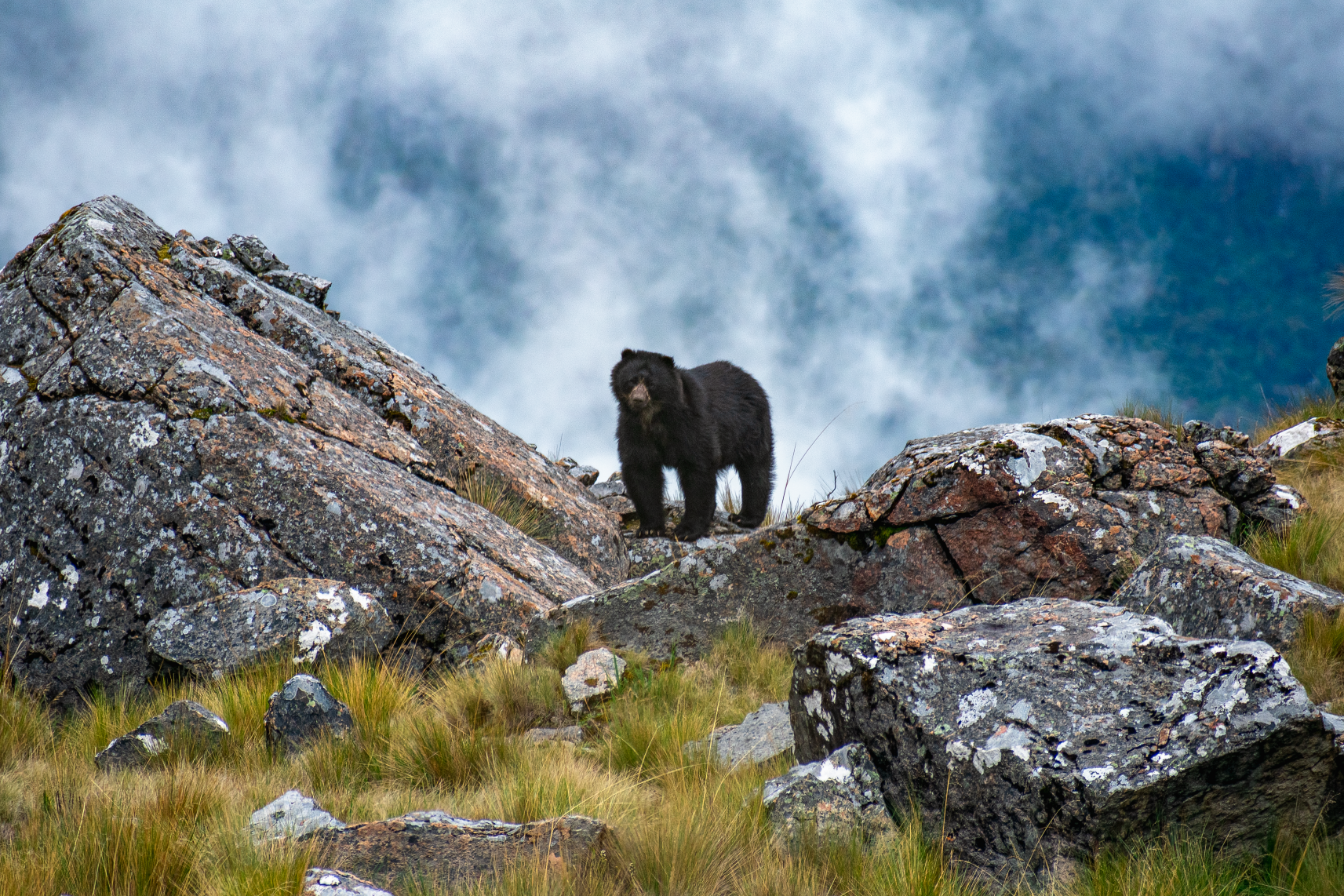
Andrea’s project will tackle one of the most urgent threats facing Andean bears in Bolivia: retaliatory killings by local livestock owners. Through the implementation of a pilot cattle management system and participatory bear monitoring, the project will reduce livestock losses and mitigate conflict, contributing directly to the long-term survival of a globally vulnerable species.
By equipping rural Quechua families with the tools and knowledge to engage in conservation, local stewardship will be fostered, resilience built, and a scalable model for coexistence created.
Additionally, Andrea’s project will produce a compelling photography book that amplifies community voices and raises awareness of human-wildlife conflict. This storytelling component will serve as a powerful vehicle for outreach, education, and future conservation support.