
Lessons in the Science of De-extinction with Colossal
Learn why diversity is important in nature from Dr. Darya Tourzani, a first-generation American woman breaking barriers in genetic science to help endangered animals through her work at Colossal Biosciences.

Exit Quiz
Click the appropriate quiz link below and click on the blue “Host Live” button to start your student exit quiz.
Part Two (English)
Part One (Spanish)
Part Two (Spanish)
Explore More Lessons
Teacher Favorites
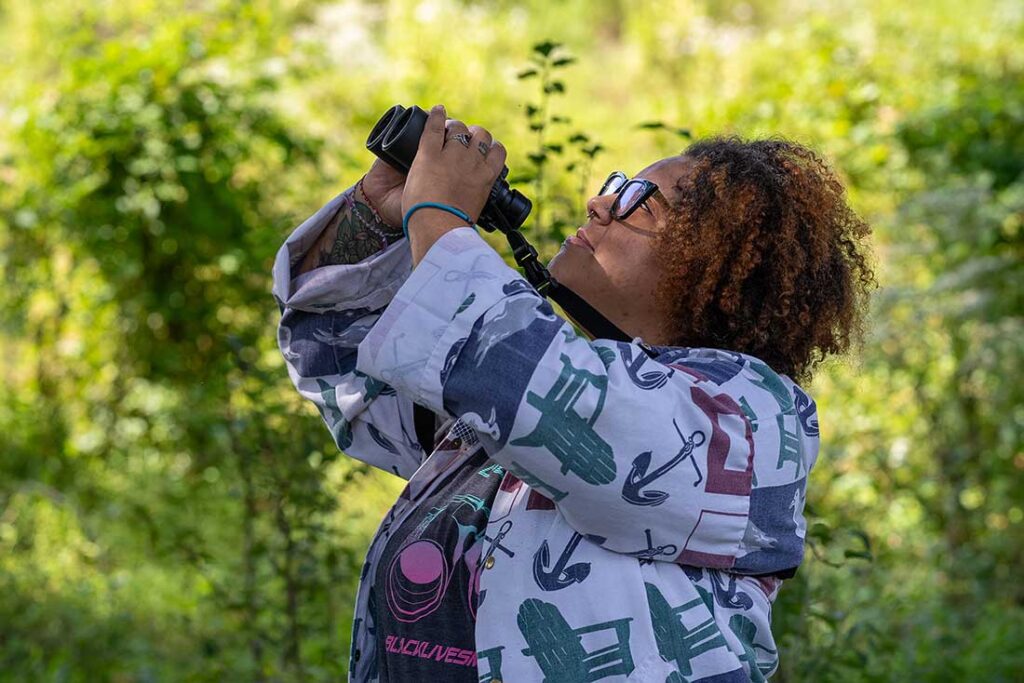
Wingin’ It
Get students outside, curious, and noticing the world around them! Guided by a birding expert, your class will learn simple, no-gear-needed ways to spot, hear, and record bird activity—then connect their findings to real scientific data. Fun and hands-on, it’s the perfect way to turn any schoolyard into a living science lab.
Start Lesson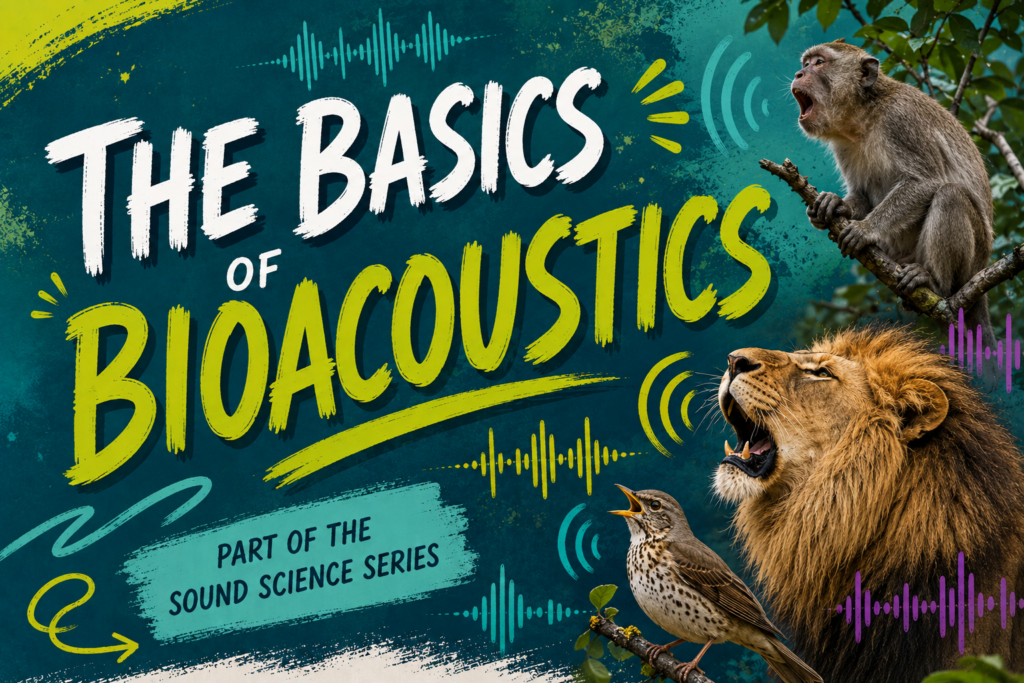
Teacher Favorites
Sound Science: Basics of Bioacoustics
In this NGSS-aligned lesson of the Sound Science lesson series, students explore bioacoustics—the science of using sound to study the living world—and learn how animals communicate and how scientists use sound to monitor wildlife and protect ecosystems. Through a hands-on Sound Map activity, students compare sounds across environments, analyze patterns, and practice thinking like scientists while building observation and critical-thinking skills.
Start Lesson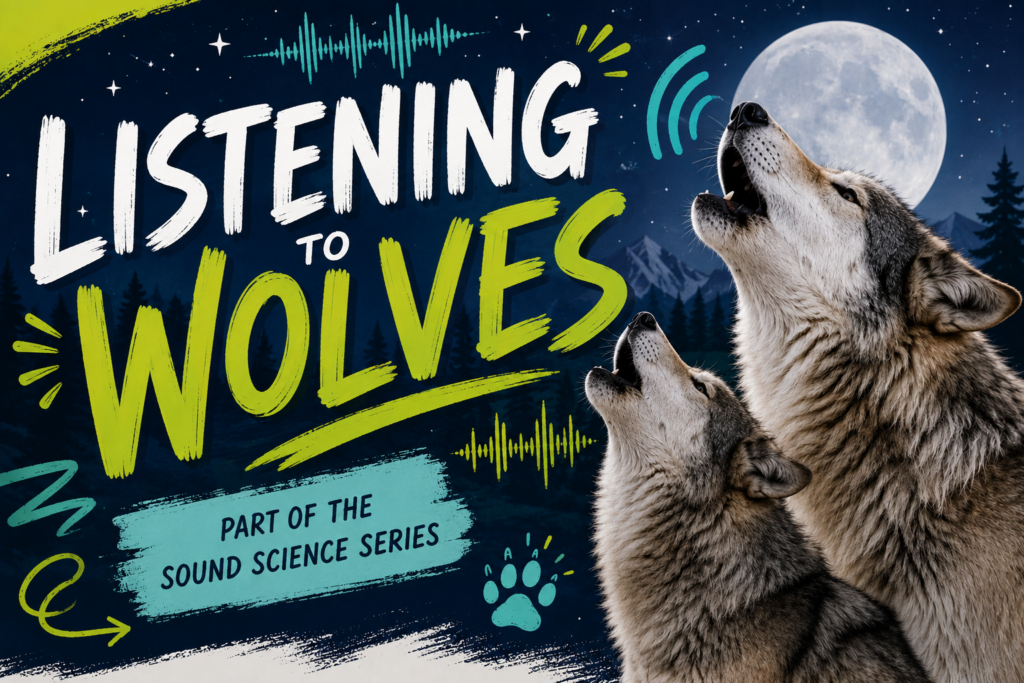
Teacher Favorites
Sound Science: Listening to Wolves
What if the key to protecting wolves wasn't just watching them—but listening? In this free NGSS-aligned Sound Science: Listening to Wolves lesson, students explore bioacoustics, the science of studying animals through sound, using Yellowstone's wolves as a fascinating case study. Through engaging video content featuring real researchers, they discover how wolves use howls and vocalizations to communicate, build social bonds, and reveal the health of an entire ecosystem. Students then step into the role of wildlife scientists in a hands-on spectrogram activity, analyzing visual representations of sound to identify wolf howls, distinguish them from other environmental sounds, and draw evidence- based conclusions—just like the AI researchers working to protect wolves in the wild today.
Start Lesson